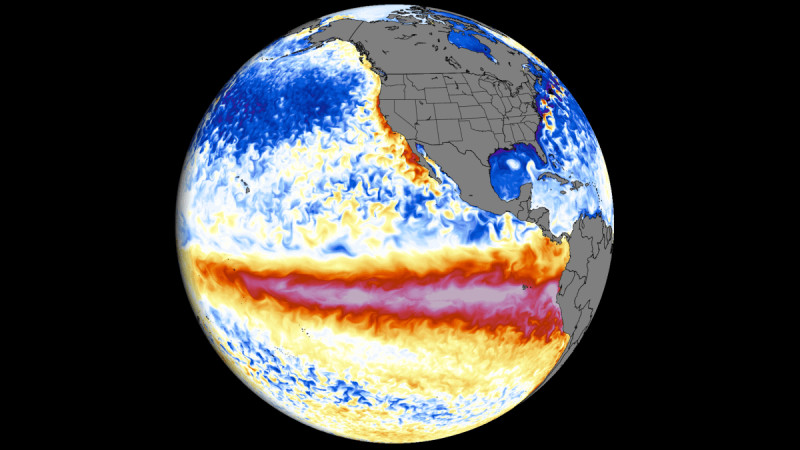
The fluorescent lights of the briefing room flickered as Dr. Amelia Hart, a renowned climatologist, pointed to a series of alarming charts. The hum of phones buzzing in pockets and the shuffling of papers created a tense atmosphere. The news was clear: a Super El Niño was on the horizon, and it could reshape global weather patterns for 2026 and 2027. This isn't just a weather prediction — it's a call to action for governments, communities, and individuals to prepare for what could be the most significant climate event in decades.
What is a Super El Niño and What to Expect?
A Super El Niño is an intense version of the El Niño-Southern Oscillation (ENSO) phenomenon, characterized by unusually warm ocean temperatures in the Pacific Ocean. This warming can trigger a cascade of global weather changes, including altered precipitation patterns, extreme heat, and potentially fewer Atlantic hurricanes. The current forecast models suggest that this year could see the strongest El Niño in 140 years, with ocean temperatures surging to unprecedented levels.
According to forecasts, the Super El Niño 2026 is expected to peak during the fall and winter seasons, potentially making it the hottest year on record if it forms as expected. The weather shifts will be dramatic, with some regions experiencing excessive rainfall while others face severe droughts. The impact on agriculture, water resources, and energy demand will be profound, affecting economies and livelihoods worldwide.
Forecasters at a recent conference in Tampa highlighted the potential for a significant reduction in Atlantic hurricanes due to the atmospheric changes caused by the Super El Niño. This shift could provide a relative calm in hurricane-prone areas but also bring new challenges, such as increased storm activity in other regions.
How Will the Super El Niño Impact the United States and Canada?
The Super El Niño 2026-2027 is expected to bring a profound weather shift across the United States and Canada, altering winter patterns and hurricane tracks. The East Coast may experience milder winters, while the West Coast could face intense rainfall and flooding. For those planning trips for late 2026 or 2027, these changes could significantly influence travel plans and safety considerations.
One of the most concerning impacts is the potential for extreme weather events. The combination of higher temperatures and altered precipitation patterns could lead to more frequent and severe heatwaves, droughts, and storms. This poses significant challenges for urban planning, infrastructure, and emergency response systems.
The shift in hurricane tracks could also bring unexpected storms to regions that typically see fewer hurricanes, forcing communities to adapt to new weather norms. This is a critical consideration for disaster preparedness and response plans.
Preparing for the Super El Niño 2026-2027
As the world braces for the Super El Niño 2026-2027, governments and communities are urged to develop comprehensive strategies to mitigate its impacts. This includes investing in climate-resilient infrastructure, improving early warning systems, and enhancing public awareness campaigns.
For those in the path of potential severe weather, it's crucial to stay informed and prepared. Monitoring weather updates, stocking up on essential supplies, and having an emergency plan in place can help ensure safety and resilience during extreme weather events. —This isn’t just about weather preparedness; it’s about being ready for the new normal.
In the fluorescent glare of the briefing room, Dr. Hart’s voice echoed with urgency. "This isn’t just a weather prediction; it’s a call to action. We need to be ready for what’s coming." As the meeting adjourns, the hum of phones and the rustle of papers fade, but the weight of her words lingers.
As we look ahead to what the Super El Niño 2026-2027 will bring, the stakes are high. The Super El Niño 2026-2027 is more than just a weather event — it’s a global challenge that demands collective action and resilience. The world watches and waits, ready to face the Super El Niño 2026-2027 with determination and preparedness.