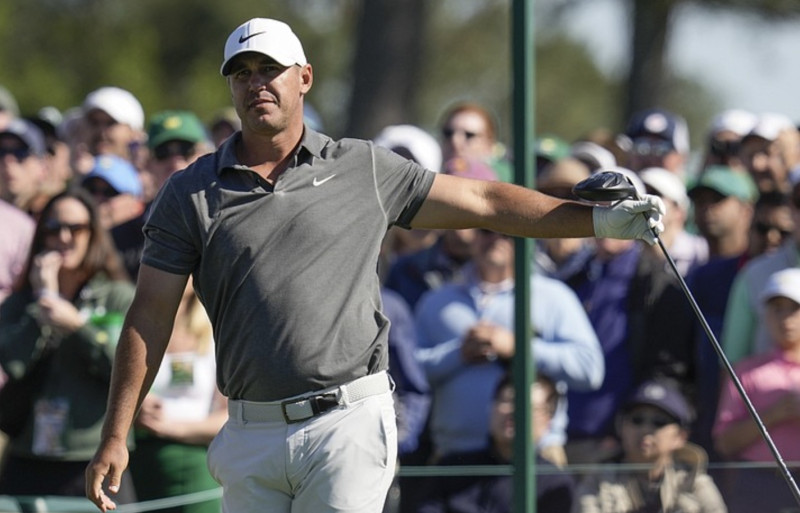
Brooks Koepka's return to the PGA Tour after a prolonged absence playing for the LIV Golf Tour has stirred a firestorm of controversy. The PGA Tour's decision to allow Koepka and other LIV defectors back into the fold has sparked criticism from some of the game's most respected figures, none more vocal than golf legend Tom Watson. As Koepka gears up for the 2026 Masters, the debate over his reinstatement rages on, raising questions about the integrity of the sport and the impact of LIV Golf.
Tom Watson's Scathing Critique of the PGA Tour
Tom Watson, a two-time Masters champion and eight-time major winner, has been particularly outspoken about the PGA Tour's decision to reinstate Koepka and other LIV Golf players. Watson's criticisms are not just about Koepka but also extend to the PGA Tour's handling of the situation. LIV Golf, backed by Saudi Arabia, has been a thorn in the side of traditional golf tours, and Watson believes that the PGA Tour has been too lenient in welcoming back defectors. He suggests that LIV players should have been banned for life, emphasizing that their actions violated the spirit of the game and its traditions.
The PGAs Controversial Welcome Back Program
The PGA Tour's Returning Member Program has faced significant backlash for its leniency. The program allowed Koepka and other LIV defectors, such as Patrick Reed, to return to the PGA Tour this year. Watson's criticisms come at a time when the PGA Tour is already under intense scrutiny for its handling of the LIV Golf situation. Watson argues that the PGA Tour reneged on its initial stance against LIV players, which was to ban them for life. The PGA Tour's decision to allow these players back has created a rift within the golfing community, with many longtime fans and professionals questioning the integrity of the sport.
A Counterpoint: The Business of Golf
While Watson's criticisms are compelling, it's important to consider the broader implications of the PGA Tour's decision. Some analysts argue that the PGA Tour's move is a strategic one, aimed at maintaining the sport's relevance and attracting top talent. The return of players like Koepka could enhance the competitiveness of tournaments, drawing in more viewers and sponsors. However, this argument does little to address the ethical concerns raised by Watson and other critics who believe that the PGA Tour's decision sends a troubling message about the sport's values and traditions.
Tom Watson's criticism is just the tip of the iceberg. Fans and professionals alike are questioning the PGA Tour's decisions and the future of the sport. The Masters is a defining moment for Koepka, but it's also a crucial moment for the PGA Tour and its handling of the LIV Golf crisis. The controversy surrounding Brooks Koepka's return is far from over, and as the 2026 Masters approaches, the spotlight on the PGA Tour's decisions and the impact of LIV Golf will only intensify.
The PGA Tour has been accused of breaking its promise to LIV Golf players, but the question remains: will Koepka triumph at the Masters or face further scrutiny as the controversy unfolds?