Imagine a massive stadium, SoFi in Los Angeles, ready to host an epic clash between two nations on the world stage — the opening match of the World Cup 2026. Picture the spectacle, the excitement, yet the seats remain empty, a physical emblem of FIFA’s ticketing conundrum.
Stalled Sales and the SoFi Stadium Enigma
World Cup 2026 ticket sales are stumbling in the lead-up to the tournament, particularly for the highly anticipated match between the host nation, the USA, and Paraguay. According to a document distributed to organizers, ticket sales for this game are trailing behind other matches at the same venue. FIFA's decision to set the ticket prices for the opening match as the third most expensive of the tournament has left tens of thousands of seats unsold as fans recoil from the high prices. The ticket sales are significantly lower than other matches, with only 40,934 sold for the USMNT's opener compared to over 50,661 for other matches at SoFi Stadium.
The Price Tag Dilemma and Public Perception
The pricing strategy, which aimed to capitalize on the excitement of the host nation’s opening match, has backfired. The high ticket prices are likely a significant factor in the low sales, as fans are either priced out or opting for other matches with more affordable ticket options. This has led to a growing concern about the demand for the tournament's most aggressively priced match, raising questions about FIFA's strategy and the public's perception of the opening match. The lagging sales for the USMNT World Cup opener highlight the broader challenge facing FIFA in selling tickets for the 2026 World Cup, as the host nation’s first match struggles to attract fans despite the excitement and anticipation surrounding the tournament.
“For the first time in history, the World Cup is being hosted by three countries simultaneously. This expansion means a larger audience and more scrutiny on the ticketing process.”
— FIFA President
The Host Nation's Opening Match: A Test for FIFA
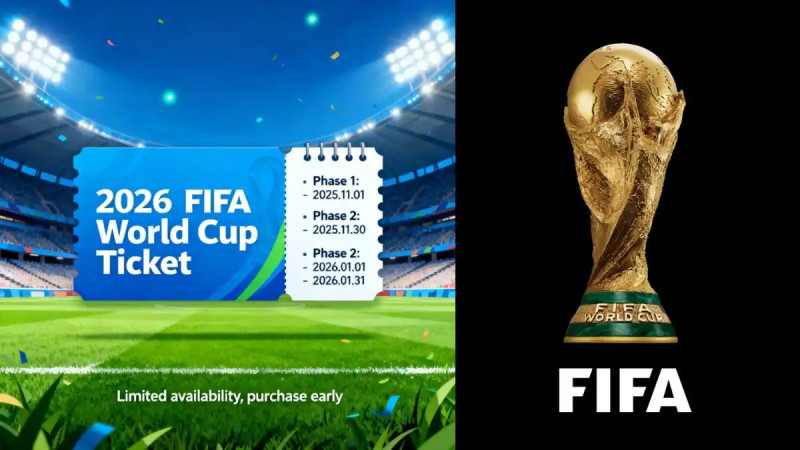
Tthe World Cup 2026 is a crucial test for FIFA, and the ticket sales struggles for the USMNT's opening match are a significant challenge. Despite the high prices, FIFA continues to push forward with its ticketing strategy, adding another sales phase in response to lagging sales.
The tournament, co-hosted by the USA, Canada, and Mexico, is set to be the largest World Cup in history, with 48 teams competing across 16 cities. The high ticket prices for the USMNT’s opener have raised concerns about accessibility and fan engagement, as fans grapple with the cost of attending the tournament’s marquee match.
The USMNT World Cup opener is a crucial moment for the host nation, and the low ticket sales raise questions about the public's enthusiasm for the tournament. As FIFA continues to face ticketing challenges, the World Cup 2026 stands as a critical test of the organization’s ability to deliver a successful and inclusive tournament. With the games just a mere eight months away, the pressure is on to address these ticketing issues and ensure that fans can experience the excitement and spectacle of the World Cup 2026.
The lackluster ticket sales for the World Cup 2026 US opener mirror the economic uncertainties of the 1980s when ticket prices for major events were a hot topic. Back then, the challenge was a lack of interest, but now, it's the price tags that are the elephant in the stadium. What will the future hold for the World Cup 2026 ticket sales as the tournament edges closer? And will the empty seats at SoFi Stadium become a symbol of this era’s challenges, much like the stadiums of the past?