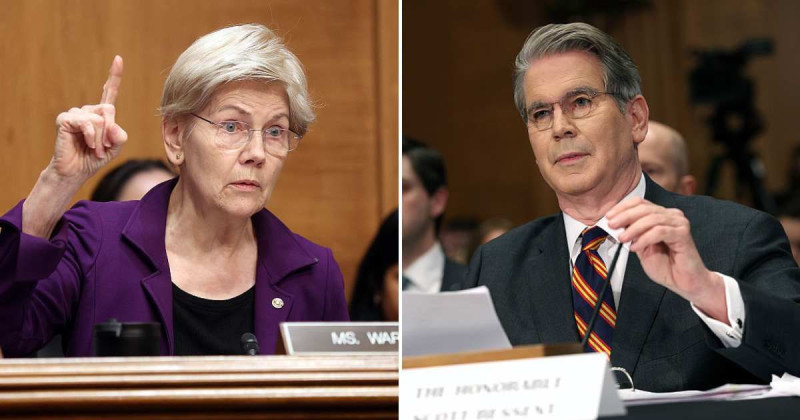
Senator Elizabeth Warren is once again in the spotlight, challenging the nomination of Kevin Warsh for Federal Reserve Chair. The Senator's scrutiny of Warsh's vast wealth has sparked a national debate about financial transparency and political influence. With the stakes high, the spotlight is now on Warsh's staggering net worth and the impact of his nomination.
Economic Clash: Elizabeth Warren Battles Kevin Warsh's Nomination
Elizabeth Warren’s relentless questioning of Kevin Warsh's financial disclosures has thrust the Massachusetts senator into the center of a political storm. Warren’s primary concern is Warsh’s vast wealth, which, if approved, would make him the richest Federal Reserve Chair in U.S. history. The senator has raised eyebrows over potential conflicts of interest, suggesting that Warsh’s financial ties could compromise his independence from President Trump.
Warsh, a former executive director at Morgan Stanley and a Fed governor under President George W. Bush, has disclosed assets worth over $100 million. This revelation has prompted Warren to demand transparency, asserting that there should be no Senate vote on Warsh's nomination until these concerns are fully addressed.
Warsh has responded to these allegations, stating he will not be a ‘sock puppet’ for Trump if confirmed, emphasizing his commitment to the Fed’s independence. Senator Tim Scott, the Republican chair of the Senate committee questioning Warsh, has defended the nominee, calling him "battle-tested" for the job.
The Richest Fed Chair? Kevin Warsh's Financial Disclosures Under Scrutiny
Kevin Warsh’s financial disclosure forms have revealed a personal fortune that dwarfs that of any previous Fed chair. With assets exceeding $100 million, Warsh’s wealth raises questions about his potential biases and the influence of his financial background on monetary policy decisions.
Warsh’s connections to the financial world, including his tenure at Morgan Stanley, have only fueled Elizabeth Warren’s concerns. The senator has emphasized the importance of independence from political and financial pressures, particularly in a role as influential as the Federal Reserve Chair.
Warsh’s confirmation hearing, set for next Tuesday, is expected to be contentious. The Senate Banking Committee will scrutinize his financial disclosures and his stance on monetary policy. The outcome of his nomination could significantly impact the Fed’s future direction and public trust in its decisions.
Political Showdown: Elizabeth Warren vs. Kevin Warsh
Elizabeth Warren’s persistence in questioning Kevin Warsh’s nomination underscores her commitment to ensuring transparency and independence in the Federal Reserve. Yet, the political stakes are high.
Warsh’s wealth is unprecedented, and his financial ties to Wall Street could potentially influence his decisions as Fed Chair. This raises a critical question: Can an individual with such vast financial interests genuinely act in the public’s best interest, free from financial and political pressures?
Warsh’s response to these concerns will be pivotal. If he fails to satisfy Senator Warren and other critics, his nomination could face significant hurdles. Conversely, if he can successfully demonstrate his commitment to independence, he might secure the necessary support for confirmation.
The Senate’s decision on Warsh’s nomination will be a critical indicator of the political climate and the weight of financial interests in shaping federal policy.
Warsh’s nomination echoes a historic parallel: the contentious confirmation hearings of Supreme Court Justice Brett Kavanaugh. Both cases involve high-stakes nominations, where financial disclosures and personal beliefs have been scrutinized.
As the debate unfolds, Elizabeth Warren’s unwavering stance on transparency and financial independence will continue to shape the narrative around Kevin Warsh’s nomination. While the outcome remains uncertain, one thing is clear: the spotlight on the Federal Reserve Chair’s role and integrity will only intensify.