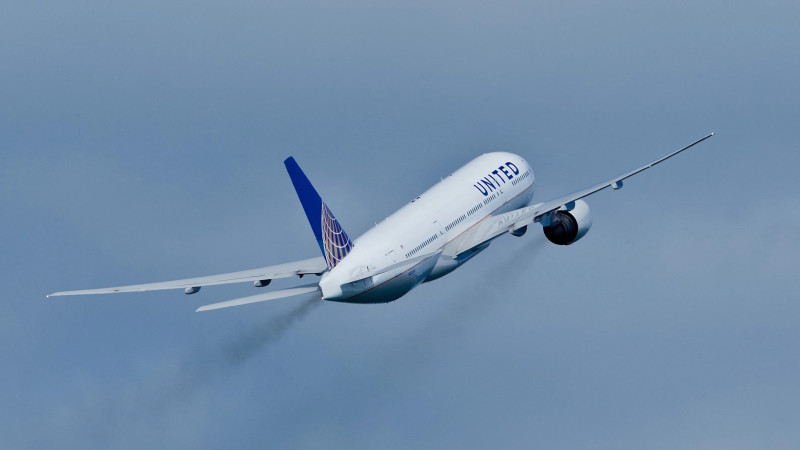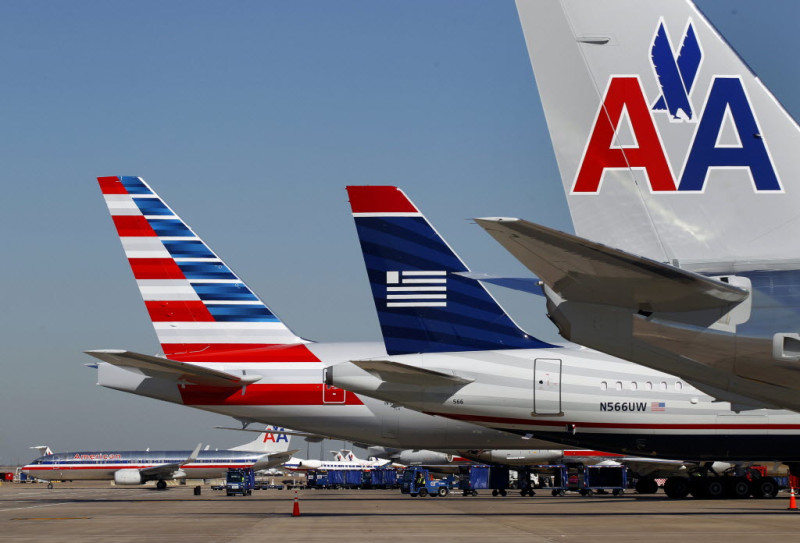
As the aviation industry braces for another seismic shift, United Airlines CEO Scott Kirby has made an audacious move, proposing a merger with American Airlines. This bold pitch, revealed in late February 2026, has sent shockwaves through the sector, leaving industry experts and regulators scrambling to understand the implications.
Why Kirby is Pushing for a Merger
Kirby’s proposal is not just about consolidating power; it's a strategic maneuver to create an aviation colossus that would dominate the skies. United Airlines, already a titan in the industry, sees an alliance with American Airlines as a way to bolster its market position and navigate the economic headwinds that have battered the aviation sector. Think again, though. The aviation industry has long been a battleground of mergers and acquisitions, but this proposed merger would be unlike anything ever seen before. The sheer size and scale of such a combination would create an unprecedented concentration of power in the commercial aviation industry.
Gone. The days of small, independent airlines are long gone. The industry has been consolidating for decades, and a merger between United and American would be the next logical step. But is it the right step? The proposed merger would not only affect the airlines themselves but also the airports, unions, and lawmakers.
The Repercussions on Competition and Consumers
A potential merger between United and American would face staunch opposition from unions, rival airlines, lawmakers, and airports, sparking fears about overlapping routes and job losses. The antitrust concerns are palpable. A merger of this magnitude would invite extraordinary scrutiny from regulators, labor unions, and consumer advocates, all wary of the potential impact on competition and consumer choice.
American Airlines has been quick to dismiss the rumors, emphasizing its focus on strategic objectives and arguing that such a merger would harm competition and consumers. Phoenix Sky Harbor Airport, a major hub for American Airlines, has also weighed in, highlighting the potential disruptions and complexities such a merger could bring.
“A merger between United and American Airlines would create an industry behemoth, potentially leading to higher prices, fewer choices, and reduced service quality for consumers,” said an industry analyst. “The antitrust implications are immense, and regulators will have to carefully scrutinize any potential deal to ensure it does not stifle competition”.
Political and Regulatory Hurdles
The political landscape adds another layer of complexity. United Airlines CEO Scott Kirby reportedly floated the idea of a merger to Trump administration officials, seeking support for the deal. The incoming administration under President Trump has shown interest in improving the aviation industry, but the stakes for such a significant merger are high.
In response to Kirby’s pitch, American Airlines released a statement reaffirming its stance, saying it is not engaged with or interested in any discussions regarding a merger with United. This clear-cut rejection underscores the deep-seated resistance within American Airlines to such a monumental deal, emphasizing the need for strategic autonomy and market competition.
Nobody saw this coming. The aviation industry is no stranger to mergers, but this proposed deal between United and American Airlines is something else entirely. It’s a game-changer, a power play that could reshape the industry as we know it. But at what cost? The merger would create a new giant, a dominant force that would control a significant portion of the market.
The aviation industry is at a crossroads. The proposed merger between United and American Airlines is not just a business deal; it’s a test of the industry’s resilience and its ability to adapt to unprecedented challenges. As the dust settles on Kirby’s bold move, one question remains: Will the aviation giants merge, or will the regulatory and political hurdles prove insurmountable?
One thing is certain: the story of United Airlines CEO Scott Kirby and his ambitious bid to buy American Airlines is far from over. As the drama unfolds, the aviation industry watches and waits, holding its breath for the next chapter in this high-stakes power play.