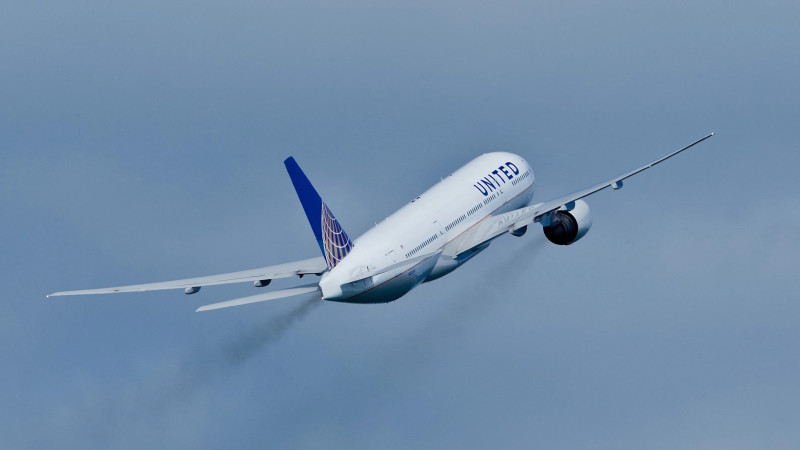
In the ever-shifting skies of commercial aviation, whispers of a monumental merger between American Airlines and United Airlines have sent shockwaves through the industry. American Airlines Group, a stalwart of U.S. air travel, finds itself at the center of this storm, navigating uncharted waters as speculation about a potential union with its rival intensifies
American Airlines Group: A Dominant Force in Air Travel
The American Airlines Group has long been a titan in the world of commercial aviation. With a history dating back to 1926, it has evolved into a major player, commanding a substantial share of the U.S. market. Today, amidst its strong presence, it faces a pivotal moment with the specter of a merger with United Airlines. This potential consolidation could reshape the landscape of air travel, creating an unprecedented concentration of power in the industry. The mere thought of such a merger has sparked intense debate, with industry experts weighing in on the potential impacts and regulatory hurdles.
The Rumored Merger: What Does it Mean?
A potential merger between United Airlines and American Airlines would be a seismic shift in the aviation world, creating a behemoth that would dominate the skies. The idea, floated by United Airlines CEO Scott Kirby, was met with both excitement and trepidation. Critics argue that such a merger would face significant antitrust scrutiny and could lead to job losses and fare increases. Proponents, however, see it as a strategic move to strengthen the industry's competitiveness on a global scale. One thing is for sure: if this merger were to go through, it would be unlike anything ever seen before.
However, American Airlines has swiftly dismissed these rumors, stating that it is 'not interested' in a merger with United Airlines. This stance, coupled with the regulatory challenges and antitrust hurdles, suggests that the path to a merger, if one exists, is fraught with obstacles. Yet, the industry remains on edge, wondering what the future holds for these two aviation giants.
A Consolidation Wave
The airline industry has seen significant consolidation in the past two decades. From 2005 to 2016, the U.S. airline industry underwent a consolidation wave that reduced the number of major players from nine to the current Big Four—American, United, Delta, and Southwest—the. This consolidation has had profound effects on the industry, leading to fewer competitors and increased market control. A merger between American Airlines and United Airlines would further concentrate power, raising concerns about market monopolies and consumer welfare. The regulatory bodies, including the Department of Justice and Federal Trade Commission, are likely to scrutinize any such move closely, ensuring that competition and consumer interests are protected.
Gone are the days of nine major players in the U.S. airline industry. Today, the Big Four—American, United, Delta, and Southwest—dominate the market, commanding more than two-thirds of the industry. This consolidation has led to concerns about market monopolies and consumer welfare. A merger between American Airlines and United Airlines would further concentrate power, raising concerns about market monopolies and consumer welfare. The regulatory bodies, including the Department of Justice and Federal Trade Commission, are likely to scrutinize any such move closely, ensuring that competition and consumer interests are protected.
Think again. The industry knows that such a merger could be an unprecedented concentration of power in the commercial aviation industry. The regulatory bodies, including the Department of Justice and Federal Trade Commission, are likely to scrutinize any such move closely, ensuring that competition and consumer interests are protected.
Nobody saw this coming. The industry knows that such a merger could be an unprecedented concentration of power in the commercial aviation industry. The regulatory bodies, including the Department of Justice and Federal Trade Commission, are likely to scrutinize any such move closely, ensuring that competition and consumer interests are protected.
What does this mean for the future of air travel? Will the merger go through, or will it face insurmountable regulatory hurdles? One thing is certain: the aviation industry is on the brink of a monumental shift, and only time will tell how this story unfolds.
Are the sky-high ambitions of United Airlines' CEO Scott Kirby going to make him the king of the skies? Or will the American Airlines Group navigate its way through another storm in its journey?
“A merger between United and American would be likely to face staunch opposition from unions, rival airlines, lawmakers and airports - and spark fears about overlapping routes and job losses."