In the fluorescent glare of the briefing room, the hum of phones buzzing in pockets, and the tense silence of a dozen journalists, the clock ticks down to April 20. Congress is poised to vote on the reauthorization of a FISA 702 — a central tool in the United States' surveillance toolkit — which has been the subject of intense debate.
The FISA 702 and Its Role in National Security
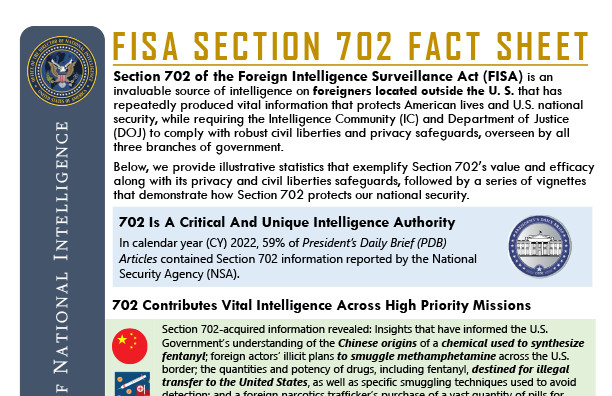
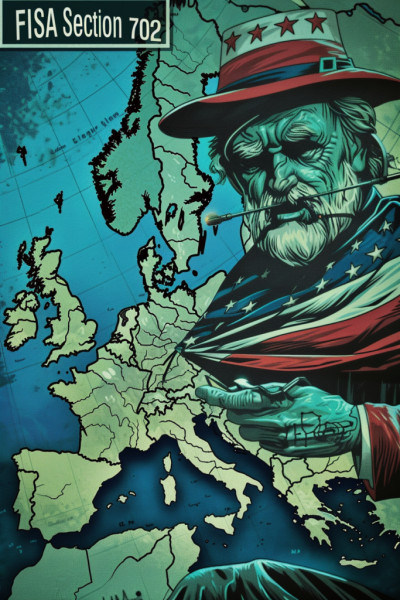
Section 702 of the Foreign Intelligence Surveillance Act (FISA) is a key surveillance authority that has been in place since 2008. It allows the U.S. government to collect the electronic communications of foreign nationals located outside the United States, with the goal of gathering foreign intelligence information about national security threats. This authority, which compels the assistance of electronic communication service providers, is crucial for monitoring terrorists, spies, weapons proliferators, and drug traffickers.
Since its enactment, Section 702 has been instrumental in various high-profile cases, including the identification of terrorist plots, the disclosure of espionage activities, and the interception of illegal weapons trades. The authority is particularly valuable because it enables the collection of data from U.S. electronic communication services, ensuring that the Intelligence Community (IC) can stay one step ahead of global threats. The FISA 702 has been described as a vital intelligence authority, which helps keep the United States, its citizens, and allies safe and secure.
The Controversial Nature of the FISA 702 Reauthorization Vote
Despite its effectiveness, the upcoming FISA vote is not without controversy. Critics argue that the wide-reaching surveillance capabilities provided by Section 702 could infringe upon the privacy rights of U.S. citizens. Concerns have been raised about the potential for "backdoor searches," where the government accesses the communications of Americans incidentally collected under Section 702. These searches can occur when the initial target of the surveillance is a foreign national, but American citizens are inadvertently swept up in the data collection.
Supporters of the reauthorization, including key members of the Intelligence Committee, emphasize the importance of Section 702 in national security. They argue that the benefits of the intelligence gathered far outweigh the privacy concerns. — "Section 702 has been a game-changer in the way we collect and analyze foreign intelligence," said a senior intelligence official, requesting anonymity due to the sensitive nature of the topic. "It has prevented numerous attacks and given us invaluable insights into the activities of our adversaries." —.
The reauthorization of Section 702 has been underway, despite broader concerns about civil liberties. As Congress prepares for the vote, the debate continues, with lawmakers grappling with the delicate balance between national security and privacy.
The FISA Vote: What’s at Stake?
The upcoming FISA vote is a critical juncture in the ongoing debate over surveillance and civil liberties. The outcome will determine whether Section 702 is renewed, potentially with new safeguards to address privacy concerns, or whether the authority is allowed to expire, leaving a significant gap in the U.S. intelligence arsenal.
The Foreign Intelligence Surveillance Act (FISA) itself, enacted in 1978, was a response to widespread privacy violations by the federal government under President Richard Nixon. It established procedures for the surveillance and collection of foreign intelligence on domestic soil, setting a framework that has guided intelligence operations for decades.
The FISA 702 reauthorization is not just a vote on a piece of legislation; it is a vote on the future of national security in an era of rapid technological advancement. As the world becomes more interconnected, the ability to monitor and analyze foreign intelligence becomes increasingly vital. However, the stakes are high, and the decisions made in the coming days will have far-reaching implications for both national security and individual privacy.
As the FISA vote looms, one question hangs heavy in the air: How will Congress navigate the complex landscape of surveillance and privacy, and what compromises will be made to ensure the safety of the nation without sacrificing the rights of its citizens? The answer remains uncertain, but the stakes are clear. The clock is ticking, and the world is watching.