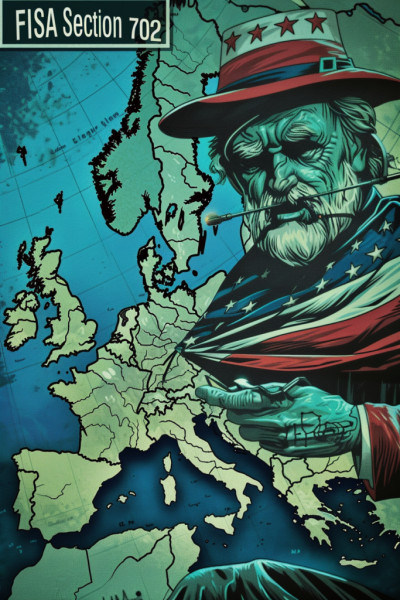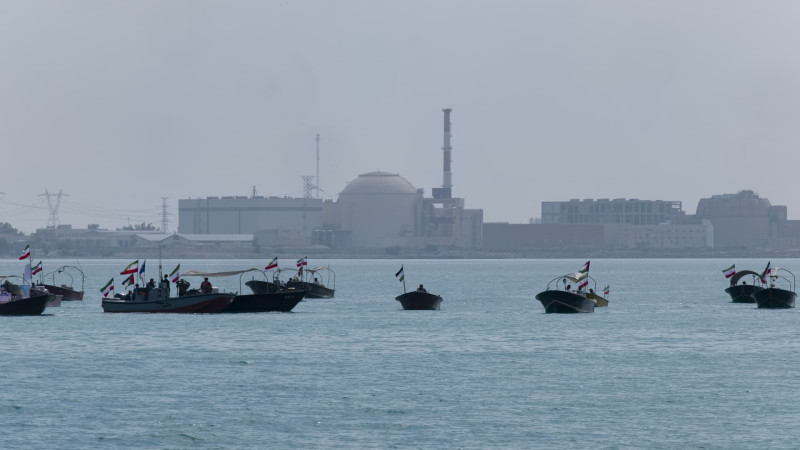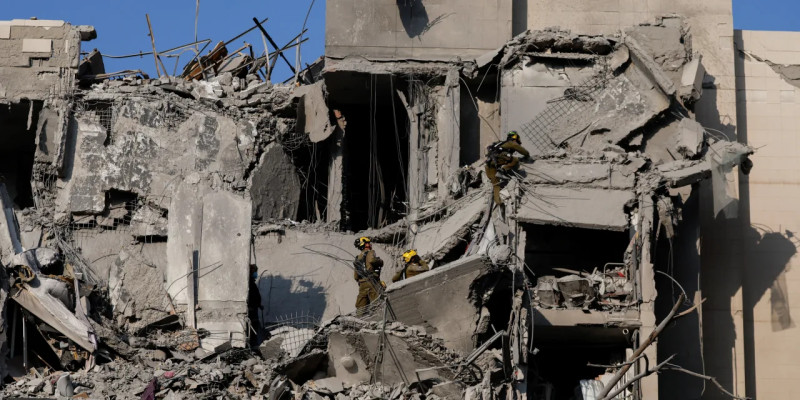
The Strait of Hormuz is a lifeline for global oil supplies, and it has become the epicenter of a geopolitical storm as the Israel-Iran war intensifies. As dawn breaks over the Gulf, the shipping lanes that once buzzed with routine traffic now stand under siege, with the US and Iran locked in a deadly stalemate. The blockade enforced by the United States on Iranian ports, as well as the ongoing conflict between Israel and Iran, has sent shockwaves through the international community, with ripples of uncertainty and potential economic fallout.
Naval Blockade: The US vs. Iran in the Strait of Hormuz
The US blockade of Iranian ports in the Strait of Hormuz, which began on April 16, 2026, has dramatically altered the maritime landscape in the region. President Trump announced the move, describing it as an effort to force Iran to reopen the Strait and accept a deal to end the war. The blockade, aimed at halting all maritime traffic, has already shown immediate impacts, with at least two tankers reversing course shortly after the enforcement began. This maneuver has effectively closed the Strait of Hormuz to most commercial shipping, a move that has significant implications for global oil supplies and trade routes. The US military blockade of Iranian ports is part of a broader strategy to exert pressure on Tehran, with the overall aim of securing the Strait of Hormuz and stabilizing the region.
Iran, however, remains defiant, with leaders accusing the US of escalating tensions and refusing to comply with the blockade. The conflict has also seen a surge in naval deployments, with both sides increasing their military presence in the region. This escalation has heightened fears of a direct military confrontation, which could have catastrophic consequences for the global economy and regional stability. Both Iran and the US have underscored the need to keep the Strait of Hormuz open and secure, a sentiment echoed by President Trump, who emphasized the importance of the Strait for international shipping and trade.
Regional Reactions and Diplomatic Efforts
The Strait of Hormuz blockade has sparked a range of reactions from regional players, with some countries expressing support for the US measures while others have criticized the move as an act of aggression. Pakistan, for instance, has stepped up efforts to revive talks between the US and Iran, with a high-level military delegation arriving in Tehran to mediate the conflict. However, the deployment of forces and the ongoing military actions have complicated diplomatic efforts, with a fragile ceasefire already showing signs of strain. Despite the ceasefire, Israeli and Iranian strikes have continued, underlining the deep-rooted animosities and strategic differences between the two nations.
In Lebanon, Hezbollah has urged the Lebanese government to cancel the ceasefire, citing the need for continued resistance against Israel. The group's stance reflects a broader sentiment in the region, where many view the conflict as a struggle against foreign intervention and oppression. Despite the escalating tensions, there are some signs of potential de-escalation. Iran and the US have agreed to a two-week ceasefire in exchange for the reopening of the Strait of Hormuz to international shipping, a development that could pave the way for further negotiations and a lasting peace. However, the path to reconciliation remains fraught with challenges, as both sides continue to demand stringent conditions for a lasting resolution.
Economic Impact and Global Implications
The blockade and the broader conflict have had significant economic repercussions, with the closure of the Strait of Hormuz to commercial shipping expected to disrupt global oil supplies and drive up energy prices. The Strait of Hormuz is a critical chokepoint, with nearly a third of the world's oil passing through its waters, and any disruption to its operations has far-reaching consequences for the global economy. The US, as the world's largest oil consumer, is particularly vulnerable to price spikes, which could have ripple effects on various sectors, including transportation, manufacturing, and retail.
Iran, meanwhile, has seen its economy come under increasing strain as a result of the blockade. The country's reliance on oil exports means that any disruption to maritime traffic could have a devastating impact on its economy, exacerbating existing economic challenges and social unrest. The blockade has also raised concerns about potential retaliation from Iran, with analysts warning of the possibility of further military escalations or asymmetric warfare tactics, which could include cyber-attacks, sabotage, and other disruptive activities.
As the sun sets over the Gulf, the silhouette of a US naval vessel looms large, a stark reminder of the ongoing conflict and the delicate balance of power. The Israel-Iran war and the US blockade of the Strait of Hormuz continue to unfold, with each side digging in their heels and the world watching with bated breath, waiting for the next twist in this complex and volatile drama.