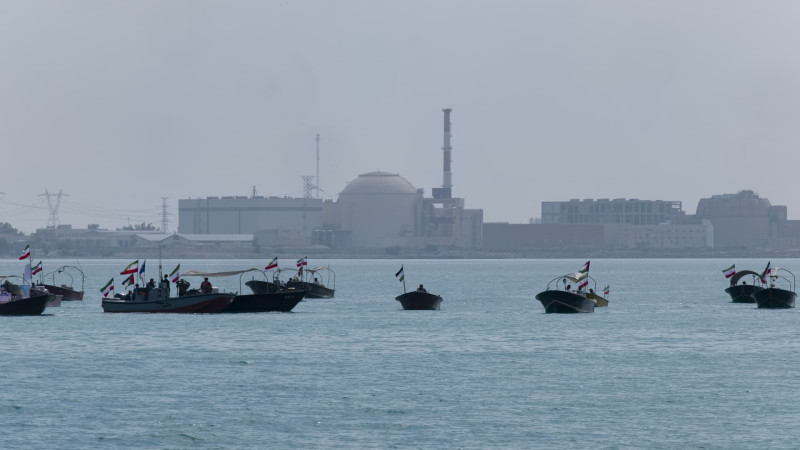
The Strait of Hormuz remains a flashpoint, with the U.S. blockade of Iranian ports intensifying tensions. On April 11, 2026, two U.S. warships transited the strait, signaling the U.S. Navy's enforcement of the blockade.
U.S. Naval Maneuvers in the Strait of Hormuz
U.S. destroyer sailing through the Strait of Hormuz on April 11, 2026. The U.S. blockade, which began on Monday, April 16, 2026, targets all vessels entering or leaving Iranian ports The blockade has been 'fully implemented' and has effectively halted most of Tehran's economic activity. The U.S. Navy, under Admiral Brad Cooper's leadership, has positioned itself in the Gulf of Oman beyond the Strait of Hormuz. This move comes amid a shaky two-week ceasefire that has seen at least two vessels make crossings through the strait on the first full day of active U.S. enforcement.
Iranian Response to the Blockade
Iran has responded to the U.S. blockade by continuing oil tanker transits through the Strait of Hormuz. Ship tracking data from earlier this week shows several Iran-linked ships passing through the strait despite the blockade. The U.S. Navy's enforcement has led to a slowdown or halt of Iran-linked ships entering or exiting the strait, indicating the blockade's effectiveness.
The U.S. blockade aims to enforce a strict embargo on Iranian ports, targeting all vessels of all nations entering or leaving Iranian coastal areas. Vessels avoiding Iranian ports are not affected, but the blockade's impact on Iran's economic activity is clear. The military has set up the blockade in the Gulf of Oman beyond the Strait of Hormuz, a strategic move to control maritime traffic in the region.
"Iran has been forced to cease most of its economic activity in the face of the U.S. blockade. The blockade is being enforced 'impartially against all vessels of all nations entering or leaving coastal areas or ports in Iran'."
"This is a turning point" - Admiral Brad Cooper
In a statement, U.S. Admiral Brad Cooper hailed the ships' presence in the strait as a turning point in the U.S. and Israeli war against Iran. The blockade, which began after ceasefire talks with Iran over the weekend ended without an agreement, is part of a broader strategy to enforce sanctions and control maritime traffic in the region. The U.S. military's announcement to enforce the blockade comes as part of ongoing efforts to open the Strait of Hormuz, a critical waterway for global oil transportation.
What next for the Strait of Hormuz? The blockade's long-term impact on Iran's economy and the region's stability remains uncertain. As tensions escalate, the next critical event to watch is the upcoming diplomatic talks scheduled for May 2026, where global leaders will convene to discuss the ongoing crisis and potential de-escalation strategies.