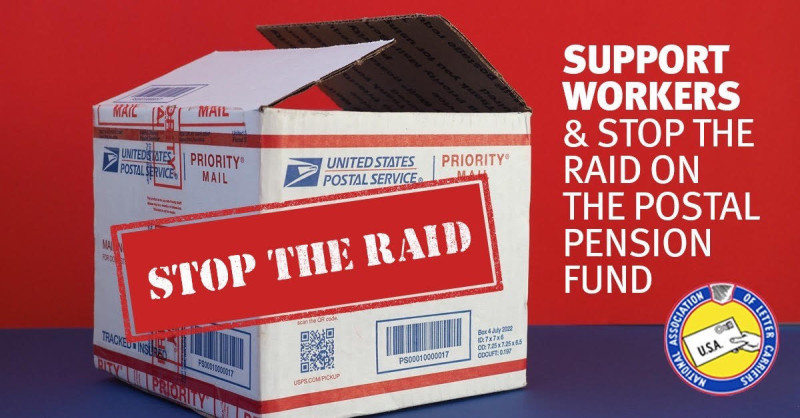
At 3:10 AM on April 11, 2026, the fluorescent glare of the briefing room at the United States Postal Service (USPS) headquarters in Washington, D.C., illuminated a somber scene. The hum of phones buzzing in pockets and the distant murmur of anxious conversations underscored the gravity of the announcement: USPS had decided to suspend contributions to the Federal Employees Retirement System (FERS), a move that will conserve cash but intensify the agency's financial turmoil.
Drastic Measures in the Face of Financial Collapse
The decision to suspend USPS pension contributions was not made lightly. The agency warned Congress that it is on the brink of running out of cash, with projections indicating a potential liquidity crisis as early as February 2027. This move, effective April 10, 2026, is a desperate measure to keep the mail trucks rolling and post offices open. The suspension, part of a broader "cash conservation plan," aims to ensure that the agency can continue to meet its immediate financial obligations, including payroll and supplier payments.
USPS faces a daunting financial landscape, with mounting debts and declining revenue streams. The agency has already sought a price hike for postage, including a proposed increase in the price of a First-Class Mail Forever stamp from 78 cents. However, these measures may not be enough to stave off the financial crisis.
The suspension of USPS pension contributions is a stark reminder of the financial challenges facing the agency. Federal Employees Retirement System (FERS) beneficiaries will be directly impacted, and the move underscores the severity of the Postal Service's current financial situation.
The Impact on USPS Employees and Beneficiaries
The decision to pause contributions to the Federal Employees Retirement System (FERS) has far-reaching implications for USPS employees and retirees. The suspension effectively delays the agency's payments to a government-wide pension plan, a move that could exacerbate the financial strain on the already struggling system. The agency pays approximately $200 million per year towards FERS, and the suspension of these payments will have significant repercussions for employees who rely on these benefits.
USPS has historically faced financial challenges, but the current situation is particularly dire. The agency's cash flow problems have been exacerbated by declining mail volume and rising operational costs. The suspension of pension contributions is a drastic step, but it reflects the agency's urgent need to conserve cash and maintain liquidity.
For USPS employees and retirees, the suspension of pension contributions raises concerns about the future of their retirement benefits. The agency's financial woes have already led to cuts in other areas, and the decision to suspend pension payments adds another layer of uncertainty for those who depend on these benefits.
The Path Forward for USPS: Uncertainty and Urgent Solutions
The suspension of USPS pension contributions is a temporary measure, but it highlights the urgent need for long-term solutions to the agency's financial challenges. The Postal Service has long been a vital institution, and its continued operation is essential for millions of Americans who rely on its services.
As the agency navigates this crisis, it faces a critical question: can it survive the financial turmoil and emerge stronger? The suspension of pension contributions is a drastic step, but it may not be enough to stabilize the agency's finances. With the looming threat of a liquidity crisis, USPS must explore innovative solutions and seek support from Congress to ensure its long-term viability.
While the suspension of pension contributions is a significant setback, it is also an opportunity for USPS to reassess its financial strategies and seek sustainable solutions. The agency's financial woes have been long-standing, and the current crisis may serve as a catalyst for much-needed reforms. As USPS grapples with this financial storm, the stakes are high, and the future of the agency remains uncertain.
— The cash conservation plan includes measures such as the suspension of USPS pension contributions.
"The Postal Service's financial crisis is not just an operational challenge but a symptom of broader economic and legislative issues that demand urgent attention and action." — Expert on postal policy.