The fluorescent glare of the briefing room was barely enough to dispel the tension as economists and analysts huddled around screens, poring over the latest CPI data released today. The numbers were in: headline inflation had skyrocketed to 3.3% in March, a figure that sent shockwaves through the financial world. The CPI, or Consumer Price Index, a crucial barometer of consumer spending and economic health, had just revealed more than just a statistic — it had delivered a stark warning of what lies ahead in the volatile world of the stock market.
The Inflation Sensitive Markets
In the days leading up to the CPI data release, the stock market had been a rollercoaster ride. The Dow Jones Industrial Average and other major stock indexes had been mixed as investors braced themselves for the inflation figures. The days preceding the March 2026 CPI report had been fraught with uncertainty, as stock market futures edged higher in anticipation of the numbers that would dictate the market's direction.
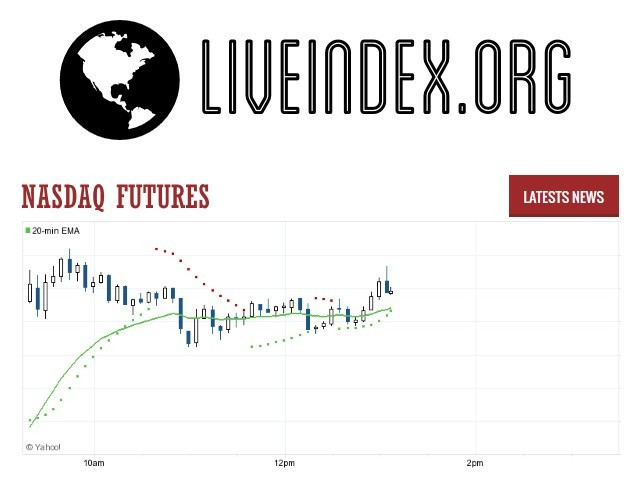
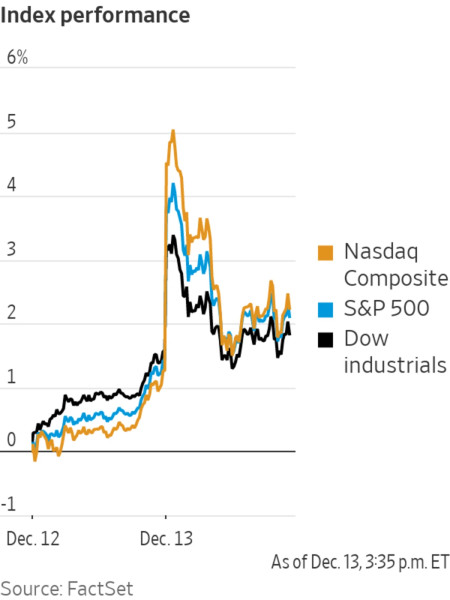
When the data was finally released, it was clear that the CPI data had painted a picture of a rapidly changing economic landscape. The Dow Jones Industrial Average slipped nearly 0.3% or around 150 points, while the Nasdaq jumped over 0.6% and the S&P 500 edged higher. This divergence in market reactions underscored a shift in investor behavior, with tech stocks seemingly more resilient to the inflationary pressures than their industrial counterparts.
The Significance of the CPI Data
The CPI data, released by the U.S. Bureau of Labor Statistics, is more than just a number — it is a measure of the average change over time in the prices paid by urban consumers for a market basket of consumer goods and services. This index is a pivotal indicator of inflationary trends, and today's data revealed that inflation had hit its highest level in nearly two years.
The CPI data is not just a statistic; it is a reflection of the economic pulse of the nation. As investors and policymakers alike dissected the report, the implications were clear: a surge in inflation could lead to higher interest rates, increased borrowing costs, and a potential slowdown in consumer spending. The ripple effects were already being felt in the stock market news today, as investors began to reassess their portfolios in the face of rising prices.
The CPI data also highlighted the disparity between different sectors of the economy. The tech-heavy Nasdaq's positive reaction to the data suggested that tech stocks might be better positioned to weather the inflationary storm. In contrast, the Dow Jones' slight dip indicated that traditional industries might face a more challenging road ahead.
The Market's Response to Inflation Data
The CPI data's impact on the stock market today was immediate and pronounced. The release of the data coincided with the market's assessment of broader economic trends, including speculation about a potential ceasefire in the U.S.-Iran conflict. The hum of phones buzzing in pockets as traders and analysts reacted to the numbers created a palpable sense of urgency in the market — one that was both exhilarating and unnerving.
Investors had been hoping for a more stable inflation rate, but the 3.3% figure dashed those hopes. As the market reacted to the data, it became clear that the CPI data was more than just a number — it was a call to action for investors and policymakers alike. The Dow Jones' slight dip was a stark reminder of the volatility that the stock market news today had revealed.
— But as analysts grappled with the implications of the CPI data, a new question emerged: would the Federal Reserve respond with a rate hike to curb inflation, and if so, how would the stock market react? The wait for the Federal Reserve's decision was on, and the stakes were higher than ever. —
The release of the consumer price index (CPI) data on Friday showed annual headline inflation soared in March to 3.3%.
As the dust settled on the CPI data release, one thing was clear: the stock market was in for a rollercoaster ride. The data had revealed a complex economic landscape, one where tech stocks seemed to be the winners and traditional industries faced significant headwinds. But the real question remained: how would the market react to the Federal Reserve's next move? The CPI data had set the stage for a high-stakes game of economic chess, and the world was watching to see who would make the next move. Would the Federal Reserve raise rates to curb inflation, and if so, how would the stock market respond? Today's CPI data had left the financial world on the edge of its seat, and the wait for the next move in this high-stakes game was on.