Imagine you're sitting at home, minding your own business, when your phone buzzes with a weather alert. You glance at it and see those dreaded words: tornado watch or tornado warning. What’s the difference, and why does it matter? It’s not just a matter of semantics; it could be a matter of life and death.
Tornado Watch: Be Prepared But Don’t Panic
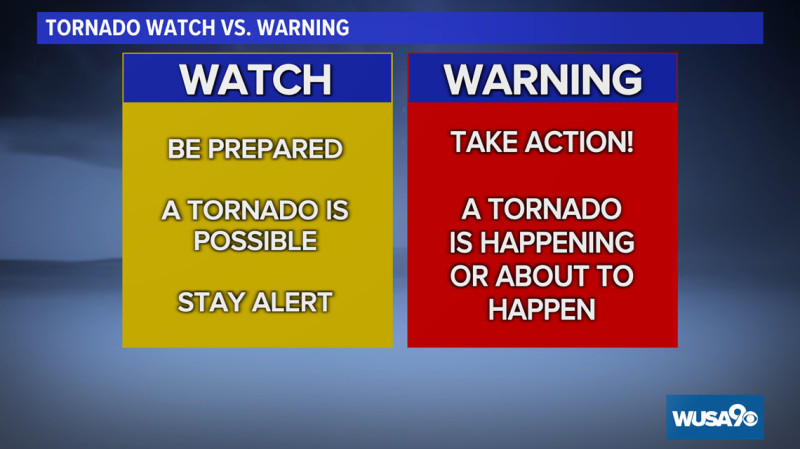
So, what exactly is a tornado watch? Picture this: conditions are just right for a tornado to form. Meteorologists have spotted the ideal storm brewing, and they figure it’s a good time to warn you. But don’t go running for the basement just yet. A watch means conditions are favorable, and tornadoes are possible in and near the watch area. Think of it like a yellow traffic light. You’ve got time to pause, assess, and be ready to act. You know the drill: Review your emergency plans. Check your supplies. Make sure your safe room is in order. It’s about preparedness, not panic. Have you ever been caught off guard by a sudden weather change? Sound familiar? That’s why it’s crucial to have a plan.
Tornado Warning: Take Immediate Action
Okay, now let’s talk about a tornado warning. This is where things get real. A warning means a tornado has either been spotted or is imminent. Forget the yellow light—this is a red light. It’s time to act now. A tornado warning is a call to action, and it indicates that a tornado has been observed or is imminent, requiring immediate sheltering.
Here’s the thing: a warning is more localized. It’s not just a general area; it’s right where you are. And you don’t have time to wonder what to do. Responding quickly is essential. You need to act swiftly and decisively. Have you ever had that moment where you knew you had to move fast, or else? That’s the feeling you should have during a tornado warning.
What to Do When a Weather Warning is Issued
Now, let’s break down what you should do when you get a warning. The National Weather Service (NWS) issues these alerts, but it’s up to you to know what they mean and how to respond. Here’s a quick guide:
- Stay indoors and away from windows.
- Seek shelter in a basement, storm cellar, or an interior room on the lowest level.
- If you’re in a vehicle, do not try to outdrive the tornado. Find a nearby sturdy building and take shelter inside.
- If you’re caught outside with no shelter in sight, lie flat in a ditch or low-lying area and cover your head.
Remind you of anything? Probably a lot of drills or movies. But here’s the thing: practice makes perfect. Take it from someone who’s covered disasters: knowing what to do can make all the difference. Don’t wait for the storm to hit. Know your plan, and be ready to execute it.
And here’s an expert take from the National Weather Service:
A tornado warning means you need to act now. The tornado could be happening as you read this alert. Do not take it lightly. Seek shelter immediately.
So, how do you feel about weather alerts now? Do you feel prepared? Remember, the next time you get a tornado watch or tornado warning near you, knowing the difference can save your life. Stay safe.