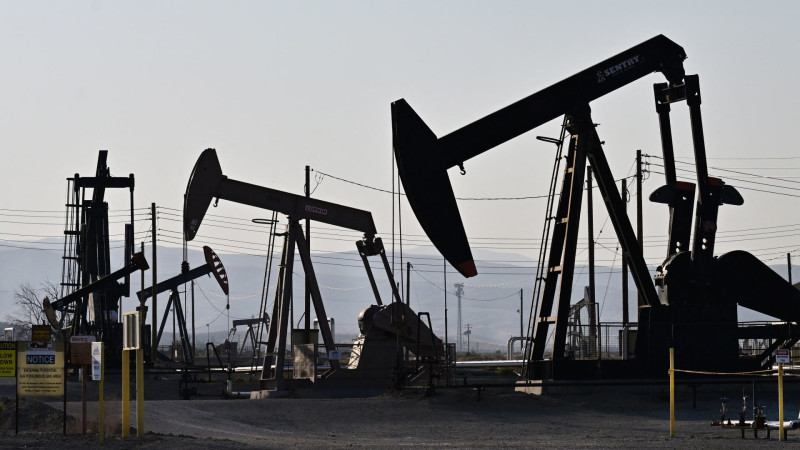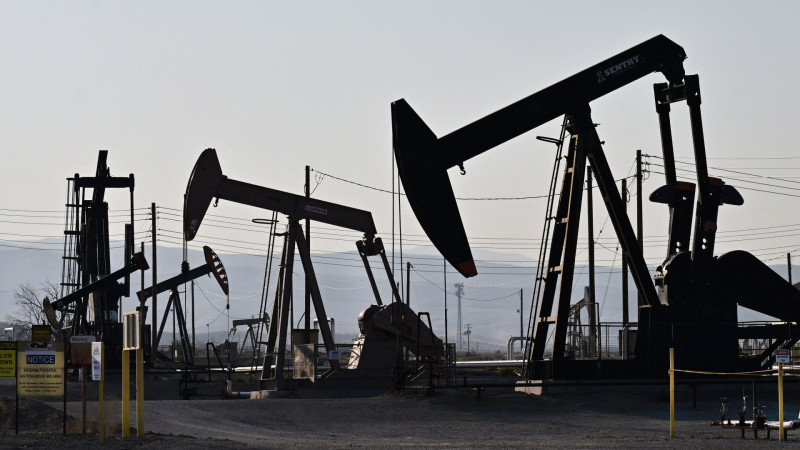
The Dow Jones Industrial Average (DJIA) today is in a state of flux. The stock market is a rollercoaster, and with crude oil prices skyrocketing, investors are left guessing and grappling. The Dow Jones opened with a flicker of optimism, only to fall further by the afternoon. So much for the market bounce from Monday, which fizzled out as US crude futures settled above $100, a level unseen since 2022.
Crude Oil Surges and the Market’s New Reality
Crude oil prices are in the spotlight. WTI crude oil futures, the benchmark for US oil prices, surged by nearly 4%, hitting $98.10 a barrel. Brent oil, the international benchmark, climbed 4% higher, now trading above $111 a barrel. These figures are alarming, but they only hint at the potential impact. Macquarie Group warns that crude prices could skyrocket to $200 a barrel if the Iranian conflict continues.
The Dow's Dip and the Oil Connection
With oil prices on a meteoric rise, the Dow has shown little resilience. The index, which started with a slight gain, slipped by the end of the day. This dip is not isolated—a global trend of volatility is sweeping through markets. The DJIA today reflects this volatility, with ongoing geopolitical tensions and fluctuating oil prices causing a rollercoaster of investor sentiment.
Last week, the Dow ended slightly lower, while the S&P 500 and Nasdaq closed modestly higher. The market's seesawing indicates continued uncertainty.
DJIA futures this morning show no sign of stability. The Dow futures are slumping, reflecting the overall market unease. The DJIA's health acts as a barometer for the broader market, and the current situation is far from reassuring. The index, which includes 30 key stocks, is undergoing a correction, amplifying investor anxiety.
The Dow Jones U.S. Oil & Gas Total Stock Market Index is also under scrutiny. The index's performance is closely tied to oil prices, and with the current surge, it's facing significant challenges. Investors are watching this index with bated breath, as it could signal broader market movements.
Oil Prices and the Global Context
The global oil market is underestimating the severity of the current crisis. With Iran and Oman negotiating traffic through the Strait of Hormuz, the situation is more precarious than ever. These developments are causing a ripple effect, impacting oil prices and, consequently, the stock market.
To understand the gravity of the situation, consider the latest data. Brent crude oil prices have surged to unprecedented levels, reflecting the market's nervousness. WTI crude, the US benchmark, is closely following suit. This surge is not without precedent, but the speed and magnitude of the increase are alarming.
Today’s stock market data is a tale of two benchmarks. The Dow Jones Industrial Average and the Nasdaq are diverging, reflecting the broader market’s volatility. The Dow, which includes blue-chip stocks, is feeling the pinch of higher oil prices. Meanwhile, the tech-heavy Nasdaq is showing relative resilience, but the overall picture is one of caution.
“The market is in a state of flux, and oil prices are a significant factor,” explains an industry expert. “Investors are navigating uncharted waters, and the volatility we’re seeing is a testament to the uncertainty ahead”.
The stock market today is a reflection of this volatile landscape. With crude oil prices dominating the narrative, the Dow’s future remains uncertain. The Dow Jones futures chart tells a story of volatility, and with oil prices showing no signs of stabilization, the market is bracing for more turbulence. Will the Dow hold steady, or will it plummet further into a correction? Only time will tell, but one thing is certain: the story of the Dow Jones today is far from over.