Just days after its launch, NASA's Artemis II mission is hurtling through space, propelling four astronauts into the annals of history. The second major step of NASA's ambitious Artemis program, Artemis II is not just a mission; it's a testament to human ingenuity and relentless curiosity. The spacecraft is currently between Earth and the Moon, having completed its translunar injection burn, an essential phase where the spacecraft accelerates through space, leaving the Earth's gravity behind.
Artemis II Mission: A Lunar Odyssey
Artemis II is not merely a journey; it’s a meticulously crafted odyssey designed to test the systems and procedures that will support future lunar surface missions. NASA’s Artemis II Mission is a pivotal phase in establishing a sustainable human presence on the Moon and beyond, paving the way for the first crewed mission to Mars. The mission's significance extends far beyond exploration, as it serves as a cornerstone for future space endeavors.
Tracking Artemis II in real-time is a fascinating glimpse into the complexity of space travel. Live trackers, like the one provided by KeepTrack, allow us to visualize the spacecraft's journey in 3D, from its current Earth orbit through translunar injection, around the Moon, and back to splashdown. The mission, launched on April 1, 2026, from Florida's Kennedy Space Center, is poised to capture the world's attention for a full 10-day lunar flyby mission.
Translunar Injection Burn: The Thrust Toward the Moon
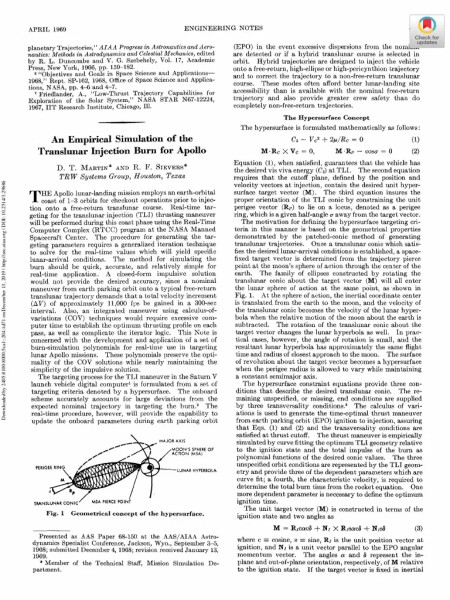
The translunar injection (TLI) burn, executed flawlessly on April 2, 2026, marked the spacecraft’s transition from Earth's orbit to the Moon's gravitational pull. This critical maneuver propelled the Orion spacecraft into a trajectory that will take it around the Moon, giving us an unparalleled view of the lunar surface from a human perspective.
As Artemis II moves through space, the journey isn't just about reaching the Moon; it's a meticulous dance of orbital mechanics and human endurance. The Orion spacecraft, with its advanced systems and sophisticated navigation, is a marvel of modern engineering, designed to endure the harsh realities of deep space. The live countdown, crew profiles, and mission timelines are just a glimpse into the meticulous planning and execution that go into such a mission.
Moon Tonight: A Symphony of Stars and Space
The Moon, a constant companion in Earth’s sky, becomes a beacon for Artemis II. Tonight, the Orion spacecraft, carrying the dreams and aspirations of millions, will reach the far side of the Moon, a region shrouded in mystery and wonder. The Live Orion 3D Timeline provides a detailed view of the spacecraft’s trajectory, allowing space enthusiasts to follow its path in real-time.
This mission is more than a scientific endeavor; it's a return to the Moon, a symbol of human achievement and resilience. As Artemis II continues its journey, it not only tests the technology and procedures for future missions but also reignites a collective human curiosity about our lunar neighbor.
The Artemis II mission is not just about going to the Moon; it's about proving that we can go beyond, to Mars and perhaps further. It's about inspiring future generations to dream big and reach for the stars.
Together, the crew of Artemis II and the millions following their journey are rewriting the story of human space exploration. The mission, with its detailed timeline and real-time updates, is a testament to human ingenuity, perseverance, and the unquenchable thirst for exploration. From the translunar injection burn to the lunar flyby, Artemis II is not just a mission; it’s a journey of human achievement and a dream of the future.