In the digital age, staying informed during emergencies is crucial. Enter the Integrated Public Alert & Warning System (IPAWS). This FEMA-managed system is the backbone of the nation’s emergency alert infrastructure, ensuring that critical information reaches everyone who needs it. Whether it's a natural disaster, a public safety threat, or an impending hazard, IPAWS alerts are designed to get vital information to you swiftly and reliably. Here’s a deep dive into what IPAWS is, how it works, and why it's indispensable.
Unpacking the IPAWS: How It Works
So, what exactly is the IPAWS? It’s a national system that acts as a hub for disseminating emergency alerts. Think of it as the control center that authenticates, validates, and distributes alerts across multiple communication pathways. These include Wireless Emergency Alerts (WEA), the Emergency Alert System (EAS), NOAA Weather Radio, and internet-based platforms. The system is designed to be a unified framework that helps federal, state, local, tribal, and territorial public safety agencies manage and coordinate alerts effectively ..
How does it work? Imagine a severe weather event is approaching. Meteorologists detect the threat and send the alert to FEMA’s IPAWS system. FEMA then authenticates the information, validates its urgency, and distributes it through various channels like WEA, EAS, NOAA Weather Radio, and internet-based platforms. This ensures that everyone from a farmer in Kansas to a commuter in New York gets the alert on their devices .
IPAWS Alerts: The Lifeline in Emergencies
Alerts from IPAWS can range from severe weather warnings to public safety emergencies. These alerts are not just notifications; they are lifelines that can save lives. For instance, in 2022, IPAWS alerts helped millions of people evacuate coastal areas during a major hurricane .
What makes IPAWS alerts so effective? One key factor is their geographical precision. Alerts can be targeted to specific areas, ensuring that people only receive information relevant to their location. This targeted approach helps reduce alert fatigue and ensures that people take action when it’s truly necessary .
The beauty of IPAWS is its ability to provide real-time, targeted alerts that can be tailored to specific geographic areas. This precision ensures that people only receive information relevant to their location, minimizing alert fatigue and ensuring that individuals take necessary actions when it's truly necessary.
Testing and Drills: Why They Matter
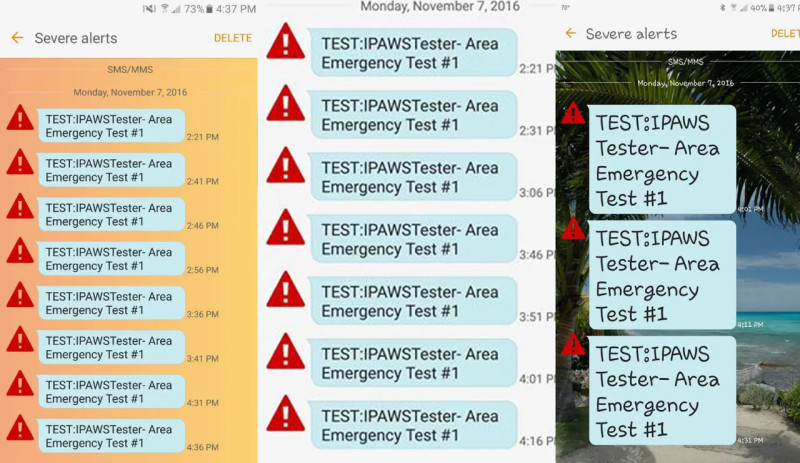
Regular testing and drills are crucial for maintaining the effectiveness of the IPAWS system. These exercises help public safety agencies ensure that their alert systems are functioning correctly and that the public understands how to respond to alerts. For example, cities like Austin conduct regular tests of their wireless emergency alert systems, known as IPAWS, and their regional notification systems, Warn Central Texas, to ensure preparedness.
These drills also serve as a reminder for the public about the importance of staying alert and informed. Remind you of anything? Think about the last time you received a test alert on your phone. Did it make you double-check your emergency plan? Regular drills keep awareness high and ensure that when a real alert comes, people are ready to act.
The Future of IPAWS Alerts
As technology continues to evolve, so does the IPAWS system. Future enhancements could include even more precise targeting, additional communication channels, and improved interoperability with other public safety systems. Imagine an IPAWS alert that not only tells you there’s a flood but also provides real-time evacuation routes and shelter locations. That’s the kind of innovation we can expect.
And then — get this — with advancements in AI and machine learning, IPAWS could potentially predict and alert us to hazards before they even occur. While this might sound like science fiction, it’s a glimpse into what the future of emergency alert systems could look like. So, when you get that next IPAWS alert, remember it’s not just a notification, it’s a lifeline designed to keep you safe in an uncertain world.