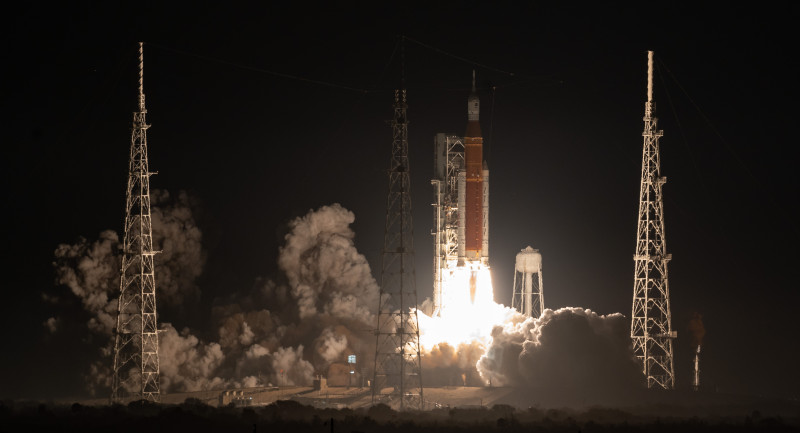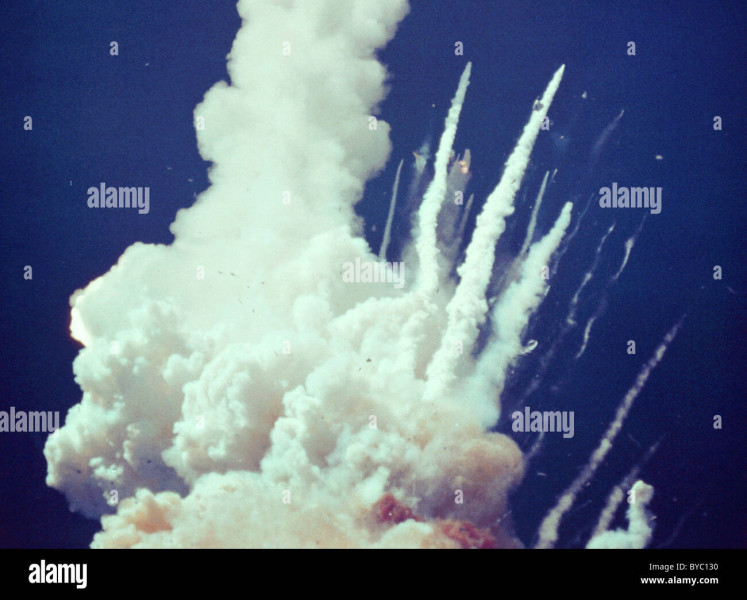
The Challenger space shuttle disaster, a somber anniversary for NASA, continues to reverberate in the minds of space enthusiasts and professionals alike. On January 28, 1986, Challenger launched but exploded a mere 73 seconds later, claiming the lives of seven astronauts . The tragedy remains a tragic milestone and a stark reminder of the risks inherent in human spaceflight.
The Day the Challenger Exploded: A Timeline of Events
At 11:38 AM on January 28, 1986, the Challenger space shuttle blasted off from Kennedy Space Center in Florida. Just 73 seconds later, an explosion tore through the shuttle, which was carrying seven crew members, including Christa McAuliffe, who was to become the first teacher in space . The explosion, later attributed to a faulty O-ring seal in the right solid rocket booster, was a devastating blow to NASA's space program and to the nation. The tragedy affected NASA's reputation and sparked widespread public scrutiny .
The Challenger Disaster: Technical Failures and Human Factors
The Challenger disaster was not simply a mechanical failure but a complex interplay of technical issues and human factors. The O-ring seal failure in the right solid rocket booster (SRB) was the immediate cause, but it was compounded by issues within NASA's organizational culture. Engineers had expressed concerns about the O-rings' performance in cold temperatures, but these warnings were overlooked in the rush to meet launch schedules. Let's not kid ourselves, the data is damning: the Challenger explosion was a result of systemic issues that went beyond a single technical failure .
Lessons Learned: How the Challenger Disaster Changed Space Exploration
The Challenger disaster was a pivotal moment in space exploration, leading to significant changes in NASA's safety protocols and organizational culture. The subsequent investigation by the Rogers Commission revealed critical flaws in the design and safety culture of the space shuttle program. NASA implemented numerous safety improvements, including stricter launch criteria and enhanced communication protocols, to prevent future tragedies. This shift also included a re-evaluation of the space shuttle program, which was eventually retired in 2011 .
But here's what nobody's asking: why did it take such a catastrophic event for NASA to rethink its approach to safety? The Challenger disaster underscores the importance of addressing potential risks proactively rather than reactively. The space shuttle program's legacy is a complex one, marked by both groundbreaking achievements and tragic failures. While the Challenger disaster stands as a somber reminder of the risks of space exploration, it also highlights the importance of continuous improvement and vigilance in the pursuit of scientific progress .
The Challenger crew was prepared to die. They knew the risks of going to space and did not want their concerns to prevent the mission. Christa McAuliffe, the teacher selected to be on the space shuttle, was ready to make a lasting impact on education. She once said, "I touch the future—I teach."Challenger space shuttle was a pivotal moment in space exploration, reminding us of the risks and challenges of human spaceflight. NASA's response to the disaster led to significant improvements in safety protocols and organizational culture, ensuring that future missions are conducted with the highest regard for safety and vigilance.