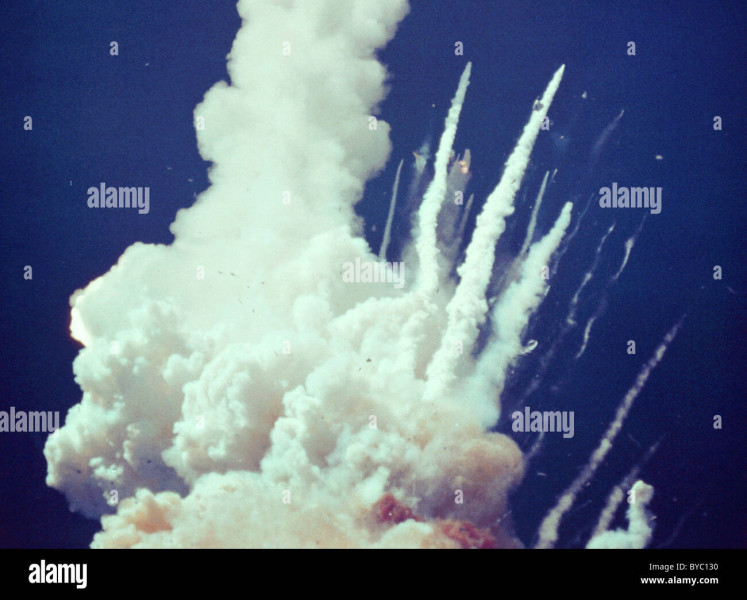
On January 28, 1986, the Challenger explosion occurred 73 seconds after launch, marking one of the most catastrophic events in the history of space exploration. The tragedy of the space shuttle Challenger claimed the lives of seven astronauts, including Christa McAuliffe, the first teacher in space.
The Timeline of the Challenger Disaster
The Challenger disaster unfolded as the space shuttle orbiter Challenger lifted off from Cape Canaveral, Florida. The mission, designated STS-51L, was the 25th flight of the space shuttle program. The Challenger was a partially reusable spacecraft, part of the NASA fleet, and its launch was a significant milestone for the space shuttle program.
The Challenger disaster timeline reveals a series of events that led to the tragic explosion. On January 28, 1986, the shuttle lifted off from Launch Complex 39 A at Kennedy Space Center. Just 73 seconds into the flight, a catastrophic failure occurred when the right solid rocket booster (SRB) failed to separate correctly from the external tank, leading to a massive explosion.
This catastrophic failure was the result of a faulty O-ring seal in the right SRB, which had been compromised by cold temperatures on the launch day. The O-ring, designed to seal the joint between the SRB segments, failed under the extreme pressure and temperature conditions. The explosion was a direct result of the SRB's failure, which triggered a chain reaction that destroyed the entire shuttle.
The Aftermath and Impact on NASA
The aftermath of the Challenger explosion was profound. The disaster led to a complete halt of the space shuttle program until a thorough investigation could be conducted. The Presidential Commission on the Space Shuttle Challenger Accident, known as the Rogers Commission, was formed to investigate the cause of the explosion.
The Rogers Commission's findings revealed significant failures in NASA's safety protocols and decision-making processes, leading to a series of recommendations aimed at preventing future tragedies.
The Challenger disaster had a lasting impact on NASA's space program. The tragedy led to the abandonment of the third Space Shuttle launch pad at Vandenberg Air Force Base. The loss of the Challenger and its crew had a profound impact on the space shuttle program, serving as a stark reminder of the inherent risks of space exploration.
The Challenger disaster also highlighted the importance of engineering and safety protocols in space missions. The failed O-ring seal, which was compromised by cold temperatures, was a critical failure point in the shuttle's design.
The Challenger explosion changed NASA's future. The agency implemented a range of new safety measures and protocols to prevent similar accidents. The disaster also led to a shift in NASA's approach to public outreach and communication, making it more transparent and open about its processes and challenges.
Lessons Learned and Future Challenges
Forty years after the Challenger disaster, the lessons learned continue to shape NASA's space exploration efforts. The tragedy underscored the importance of thorough testing and rigorous safety protocols in space missions. The Challenger disaster also highlighted the need for better communication and decision-making within NASA, ensuring that engineering concerns are given the utmost priority. The disaster also underscored the importance of thorough testing and rigorous safety protocols in space missions. The Challenger disaster also highlighted the need for better communication and decision-making within NASA.
The Challenger disaster also underscored the importance of thorough testing and rigorous safety protocols in space missions. The Challenger disaster also highlighted the need for better communication and decision-making within NASA.
The Challenger explosion, 40 years after its occurrence, is a tragic reminder of the inherent risks of space exploration.
On January 28, 1986, the Challenger explosion changed the way we think about space exploration.