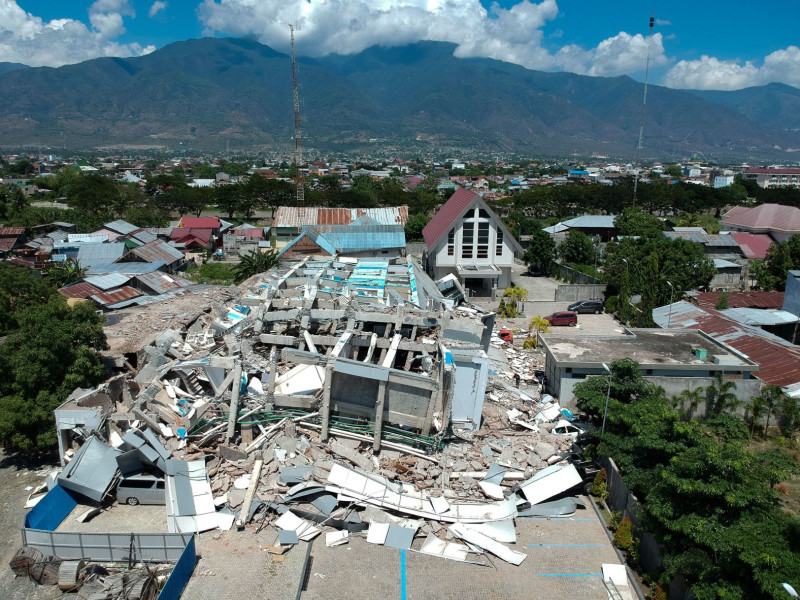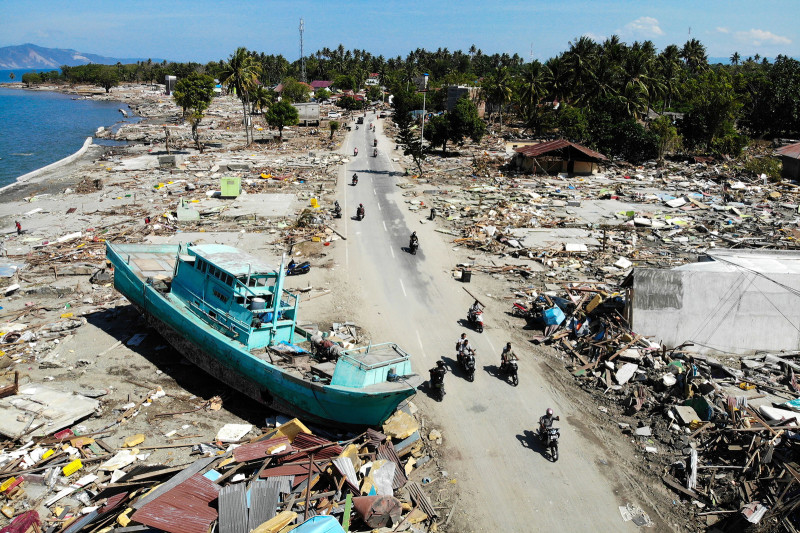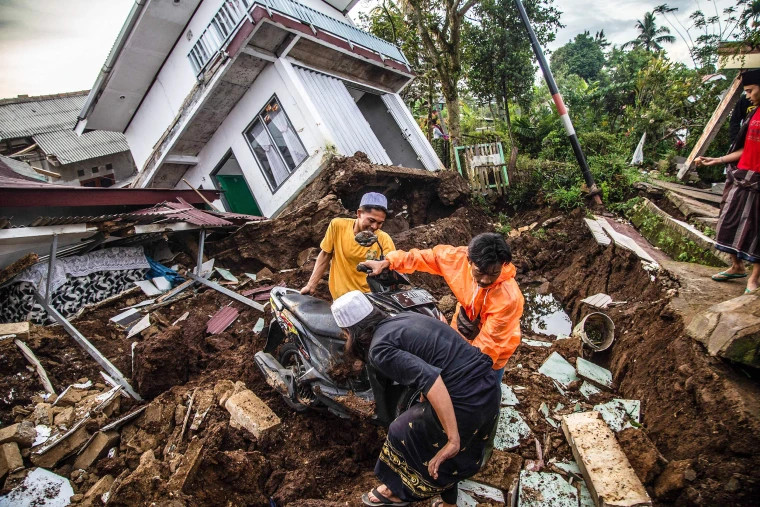
The ground beneath Indonesia's Molucca Sea erupted in a violent dance. A 7.4-magnitude Indonesia earthquake has left the region in turmoil. The quake, initially reported at a staggering 7.8 magnitude, struck at 06:48 local time Thursday. The epicenter lay in the Molucca Sea, approximately 127km west-northwest of Ternate.
Aftershocks and Tsunami Fears: A Region on Edge
In the wake of the initial quake, aftershocks as high as magnitude 5 rocked the Molucca Sea. This has left the region in a state of high alert. The US Geological Survey (USGS) confirmed the quake, which struck at a depth of 35km. The initial tsunami warning has since been lifted, but the region remains on edge.
Indonesia, a country all too familiar with seismic activity, braced for the worst. The Molucca Sea lies at the intersection of several tectonic plates. This region is notorious for its earthquakes and volcanic activity. The last significant quake in this region occurred in 2019, a 6.5-magnitude tremor that caused considerable damage.
Real-Time Tracking: Earthquakes Today in Indonesia
For those tracking seismic activity, real-time updates are crucial. Live maps and seismic activity data provide a window into the Earth's movement. Today, the region is buzzing with alerts as residents monitor updates on the latest Indonesia earthquake activity.
Think again, if you believe this is just another event. The Molucca Sea quake serves as a stark reminder of the planet's dynamic nature. Earthquakes, after all, are not anomalies but a part of the Earth's natural rhythm. The geological activity in Indonesia is a testament to the ever-changing landscape of our planet. The region remains vigilant, prepared for the next tremor. The question: how will the region adapt to this new reality?
In the Molucca Sea, the quake's epicenter, the waters churned and roiled. The seismic activity triggered a tsunami warning, sending waves of panic through coastal communities. The warning was lifted, but the memory of the rolling seas lingers.
Look at the map, and you will see a cluster of recent events. The live updates provide a real-time snapshot of the Earth's seismic activity. The map shows a series of tremors stretching back days, even weeks, each a testament to the region's geological instability.
Indonesia's history is a tale of resilience. The country, a sprawling archipelago, is no stranger to earthquakes. The Molucca Sea quake is the latest chapter in this ongoing story.
But what of the future? What of the next big one? Can Indonesia, a nation constantly under the threat of seismic activity, ever truly be prepared? The Molucca Sea quake, a stark reminder of the Earth's power, leaves us with more questions than answers. The Molucca Sea quake, a stark reminder of the Earth's power, leaves us with more questions than answers.
In the early hours of Thursday, the Molucca Sea trembled, sending shockwaves through Indonesia. The 7.4-magnitude earthquake, initially reported as 7.8, struck at 06:48 local time. The tsunami warning has been lifted, but the region remains on edge. In the face of such natural turmoil, the question lingers: how will Indonesia face the next big one?