The attack on Pearl Harbor on December 7, 1941 stands as a pivotal moment in American and global history, marking the entry of the United States into World War II. This surprise military strike by the Empire of Japan on the U.S. Pacific Fleet at Pearl Harbor, Hawaii, transformed the geopolitical landscape and galvanized the American public into action.
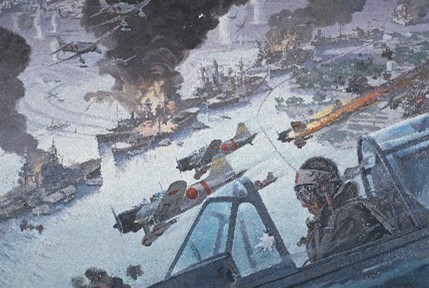
The Pearl Harbor attack was a meticulously planned and executed surprise aerial assault. The Japanese military targeted the U.S. naval base on Oahu Island, catching the Americans off guard. The attack, which began around 8 a.m. local time, involved a wave of Japanese aircraft that relentlessly struck the U.S. Pacific Fleet, causing immense destruction and loss of life in a matter of hours.
The impact of the December 7, 1941 attack was devastating. More than 2,300 Americans lost their lives, and the U.S. Navy suffered significant losses, including the sinking of the U.S.S. Arizona and the capsizing of the U.S.S. Oklahoma. In total, twelve ships were sunk or beached, and nine additional vessels were damaged. The attack was a strategic blow to the U.S. military, with the destruction of 188 planes, 8 battleships, 3 light cruisers, and 4 miscellaneous vessels.
The immediate aftermath of the attack on Pearl Harbor saw the United States declare war on Japan, bringing the country into World War II. President Franklin D. Roosevelt's famous words, "a date which will live in infamy," encapsulated the deep shock and resolve that gripped the nation. This event marked a turning point in the war, inspiring the American people to wholeheartedly commit to the victory in the Second World War.
The December 7, 1941 attack served as a catalyst for the United States' involvement in the war, and it continues to be remembered as a defining moment in military history. The events of that day not only highlighted the vulnerability of the U.S. military but also showcased the resilience and determination of the American people in the face of adversity. Today, the Pearl Harbor memorial stands as a solemn reminder of the sacrifices made by those who lost their lives in the attack and a testament to the enduring spirit of unity and strength that emerged from this tragic event.
As we reflect on the 74th anniversary of the Pearl Harbor attack, it is crucial to honor the memory of those who perished and to acknowledge the profound impact this event had on shaping the course of World War II. The lessons learned from the attack on Pearl Harbor continue to inform military strategy and diplomacy, serving as a reminder of the importance of vigilance, preparedness, and international cooperation in maintaining global peace and security.