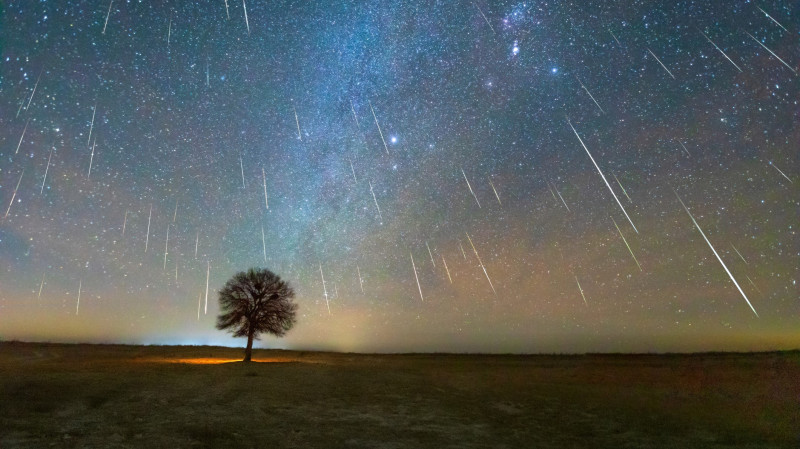
The Geminid meteor shower, renowned as one of the most spectacular astronomical events of the year, is set to peak this weekend. This dazzling display of celestial fireworks is a must-see for anyone with an interest in the night sky, and it promises to be a highlight of December 2025.
The Geminid meteor shower, often touted as the "strongest meteor shower of the year," will reach its peak on the nights of December 13 and 14, 2025. This event will see up to 150 "shooting stars" per hour, providing an unparalleled viewing experience under a near-moonless sky. The shower is expected to be particularly stunning this year, with ideal dark skies and high activity levels.
One of the key features of the Geminid meteor shower is its unique origin. Unlike other meteor showers, which typically originate from comets, the Geminids are associated with an asteroid named 3200 Phaethon. This asteroid, which orbits the sun, leaves a trail of debris that Earth passes through each December, resulting in the meteor shower.
To get the best views of the Geminid meteor shower, it’s essential to choose the right time and location. The peak activity is expected overnight on December 13 and 14, with the best viewing times typically between midnight and dawn. Finding a dark, clear sky away from city lights will significantly enhance the viewing experience.
The Geminids radiate from the constellation Gemini, hence their name. However, you don’t need to look directly at Gemini to see the meteors. They can appear anywhere in the night sky, so it’s best to find a spot with a wide view and lie back to take in the spectacle.
Additionally, the Geminids are known for their bright and colorful meteors, which can often appear green due to the presence of certain elements in the meteor's composition. This adds an extra layer of excitement and beauty to the viewing experience, making it a favorite among both amateur and professional astronomers.
So, whether you’re an experienced stargazer or a casual observer, the Geminid meteor shower is an event not to be missed. With up to 150 meteors per hour and ideal viewing conditions, this year’s shower promises to be a celestial spectacle like no other.