The **polar vortex** is a large, rotating mass of cold air that typically circulates around the polar regions. However, when this vortex becomes displaced, it can lead to significant weather changes, particularly in the form of **cold weather outbreaks**. This phenomenon is currently making headlines as a displaced polar vortex in Canada is set to bring a series of Arctic air surges across the central and eastern United States, impacting weather conditions through mid-December.
The polar vortex is a complex weather system that is always present near the Earth's poles, but it can weaken and strengthen throughout the year. When the vortex weakens, it can cause the cold air to dip southward, leading to unusually cold temperatures in regions not typically accustomed to such conditions. This is what forecasters are observing as the polar vortex prepares to deliver multiple rounds of Arctic air, each bringing colder temperatures and potentially hazardous weather.
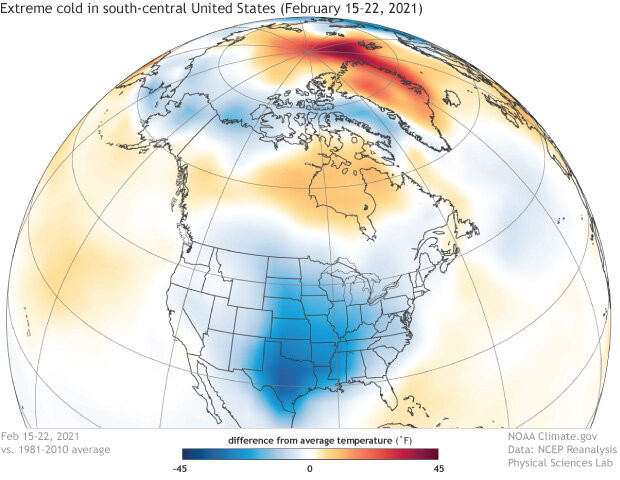
Forecasters have been closely monitoring the **polar vortex map** to track the movement and impact of these cold surges. The map provides a visual representation of where the cold air is expected to move, which in this case, includes states across the northern, central, and eastern United States. The polar vortex map is essential for meteorologists and the general public to understand the scope and severity of the upcoming cold weather.
In addition to the polar vortex, other weather dynamics are contributing to the current cold weather forecast. For instance, a large, low-pressure area over North America is expected to create a northerly cold flow, transporting Arctic air directly into the affected regions. This weather pattern will likely bring frigid temperatures, snow, and other winter weather conditions, impacting millions of Americans in the coming weeks.
The **polar vortex cold weather forecast** for December 2025 is particularly concerning for areas in the eastern and central United States. The first of three expected polar vortex surges is anticipated to bring frigid temperatures, with experts warning that this could be the coldest period of the season so far. Residents in these regions should prepare for potentially hazardous conditions, including extreme cold, snow, and icy roads.
While the polar vortex is a natural weather phenomenon, its impacts can be severe, especially for regions not accustomed to such extreme cold. The **polar vortex map** provides crucial information for weather forecasting, helping meteorologists and the public stay informed about the expected weather conditions and prepare accordingly.
In conclusion, the current **polar vortex map** highlights areas in the United States that will experience a triple cold surge from the Arctic. The **cold weather forecast** for the coming weeks includes multiple rounds of frigid temperatures, snow, and other winter weather conditions. Staying informed about the polar vortex's movement and understanding its potential impacts are essential for public safety and preparedness during this challenging weather period.