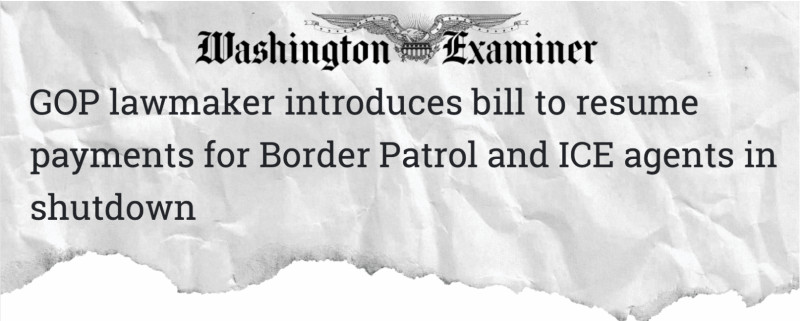
The United States Border Patrol has long been a contentious topic, a political flashpoint that flickers with each news cycle. But behind the headlines, a more intricate battle unfolds in the Senate chambers, where the GOP has shifted its strategy to secure funding for the U.S. Customs and Border Protection (CBP) and Immigration and Customs Enforcement (ICE) agencies. The recent moves by Senate Republicans to pass a budget resolution reflect a broader shift in immigration policy, one that could have far-reaching implications for the nation's border security.
Budget Resolution: A Two-Step Dance for Immigration Funding
The Senate GOP's latest maneuver is a two-step budget resolution designed to bypass Democratic opposition. This procedural strategy aims to fund the Department of Homeland Security (DHS) agencies responsible for immigration enforcement without needing Democratic support. The resolution, if passed, would pave the way for a budget reconciliation bill that could allocate tens of billions of dollars to ICE and the Border Patrol. This move is significant because it leverages a parliamentary procedure that requires only a simple majority vote, effectively sidestepping the need for the 60 votes typically required to overcome a filibuster.
The GOP's plan is straightforward: approve a budget resolution to set spending limits and then proceed with a reconciliation bill to appropriate the funds. This approach is not without precedent; similar tactics have been used in the past to avoid partisan gridlock on critical issues. The proposed funding framework includes a significant allocation of $70 billion over the next three and a half years, ensuring that the CBP and ICE remain operational without interruption. Senator Lindsey Graham, a key architect of this plan, emphasized the urgency, stating, "Republicans are doing something that must be done quickly, and that our Democrat colleagues are trying to prevent us from doing. That something is simple: fully fund Border Patrol and ICE at a time of great threat to the United States."
A Divided Senate and a Nation at the Crossroads
The path to funding ICE and CBP is fraught with political landmines. Democrats have consistently opposed increased funding for these agencies, citing concerns over civil liberties and the treatment of immigrants. The opposition stems from high-profile incidents involving federal immigration enforcement agents, which have fueled public outrage and political polarization. This opposition is likely to intensify as the Senate GOP pushes forward with its budget resolution, setting the stage for a contentious debate over the role and funding of immigration enforcement agencies.
The Senate GOP's strategy is a calculated risk. By bypassing the need for bipartisan support, Senate Republicans are aiming to deliver a victory for the Trump administration's immigration policies, which have been a cornerstone of its legislative agenda. Yet, this move also risks exacerbating the partisan divide, potentially leading to further gridlock on other legislative fronts. At the heart of this debate lies a fundamental question: How do we balance national security with human rights and civil liberties? The Senate GOP's funding resolution is a bold step toward answering this question, but it is a step that could reshape the contours of immigration policy for years to come.
"The Senate GOP is navigating a delicate balance between security and civil liberties, a task made all the more challenging by the deep-seated political divisions that permeate Washington. The proposed budget resolution and the subsequent reconciliation bill are pivotal, representing not just a funding mechanism but a philosophical stance on the role of immigration enforcement in the U.S. The question, then, is not merely about funding but about the very soul of our border policies. The reality is that the border is more than a line on a map; it is a crucible where national identity, security, and humanity collide. As the Senate takes up this issue, the eyes of the nation are on them, hoping for a resolution that respects both the law and the lives it affects." — Source: Latest Headlines
The United States Border Patrol and its funding remains a critical issue in the ongoing debate over immigration policy. The Senate GOP's latest moves signal a new chapter in this contentious dialogue, one that could define the future of border security. As the Senate prepares to vote on the budget resolution, the nation awaits a decision that will shape the landscape of immigration enforcement for years to come. The deadline for this resolution is looming, and the outcome will be a stark reminder of the complexities and stakes involved in securing our borders while upholding our values.