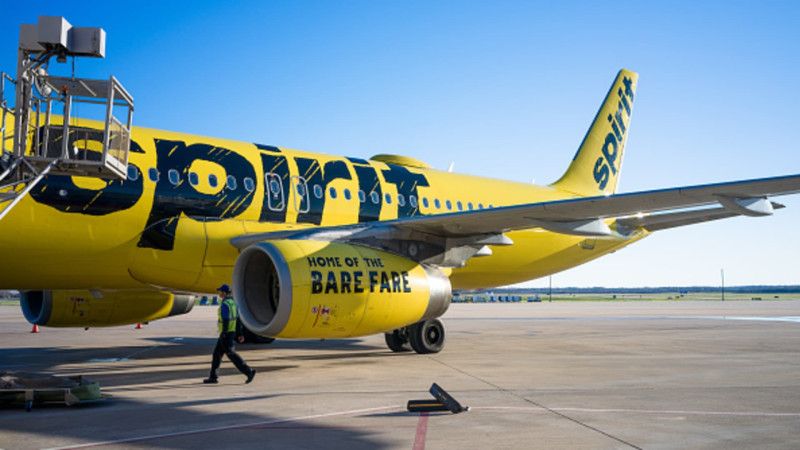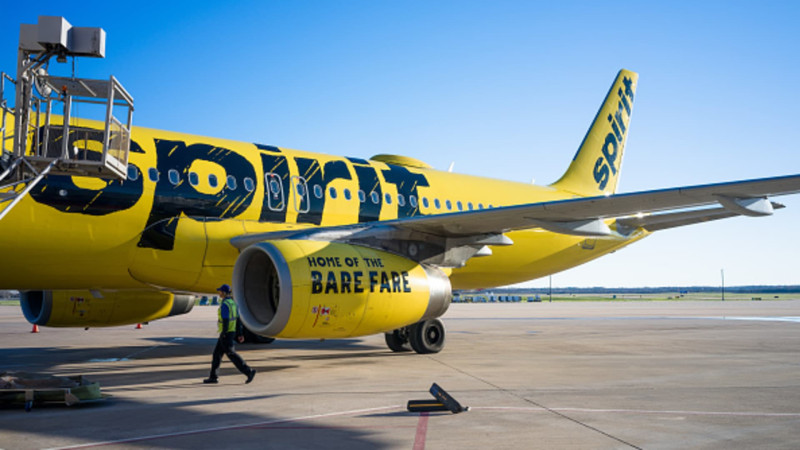
Spirit Airlines, the ultra-low-cost carrier beloved by bargain-conscious travelers, finds itself on the brink of liquidation, a dramatic turn for the airline that has been battling financial turbulence for years. Rising fuel prices and operational challenges have pushed the carrier to the edge, threatening its future and leaving passengers and industry experts in a state of uncertainty.
Spirit Airlines' Financial Struggles: The Road to Liquidity
Spirit Airlines, a well known ultra-low-cost carrier, has been a staple of budget travel for decades. Based in South Florida, the airline has managed to thrive by keeping operating costs low, a strategy that has both won and lost them customers. Recent developments, however, indicate the need for drastic measures, as the company has announced a restructuring support agreement and a plan of reorganization. These announcements come after months of financial strain, including two prior bankruptcy filings within the past few years, and as the airline is currently in Chapter 11 bankruptcy.
Fuel prices have skyrocketed, exacerbating the airline's financial woes. High jet fuel costs, driven in part by geopolitical tensions and market fluctuations, have made it increasingly difficult for Spirit to maintain profitability.
The latest reports suggest that Spirit Airlines could liquidate its assets as early as this week. This potential liquidation, if it occurs, would mark a tumultuous end to the airline's storied history. The airline, which has been a disruptive force in the industry, has historically forced legacy airlines to lower their prices to compete.
Impact on the Industry: What Comes Next for Budget Travel?
The potential liquidation of Spirit Airlines has sent shockwaves through the industry. Frontier Airlines, a competitor, saw a surge in shares on the news of Spirit’s potential demise, rising over 7% to a six-week high. This reflects the intense competition and the significant market share Spirit has maintained in the budget travel sector. However, the wider implications for travelers and the industry are more significant. For travelers, especially those who rely on low-cost carriers to access affordable travel, the liquidation of Spirit Airlines would mean a loss of a major budget option. This could lead to higher travel costs and fewer choices.
For the industry, the liquidation would reshape the competitive landscape. Competitors like Frontier and others might find themselves with less pressure to keep prices low, potentially leading to a rise in fares. However, the void left by Spirit could also create opportunities for new entrants or existing airlines to expand their services, filling the gap left by Spirit’s departure.
The Future of Budget Travel in a Post-Spirit World
The landscape of budget travel is about to undergo a seismic shift, even as uncertainty about Spirit Airlines' future continues to grow. The airline, if forced to liquidate, would leave a significant void in the market. However, the reality could be more complicated. The airline’s potential restructuring and reorganization plan indicate a possible scenario where it may continue to operate, albeit in a different form.
In the interim, Spirit Airlines has filed a restructuring support agreement and a plan of reorganization with the U.S. Bankruptcy Court for the Southern District of New York. This announcement marks a crucial step in the airline’s efforts to navigate its financial challenges. The outcome of this process will determine the future of Spirit Airlines and, by extension, the future of budget travel in the United States.
The next few days will be critical for Spirit Airlines, as it grapples with the potential liquidation of its assets. The fate of the airline, which has long been a symbol of affordable travel, hangs in the balance. Its future will undoubtedly shape the future of budget travel in the United States, and the decisions made in the coming days will have lasting implications for both travelers and the industry
“It's a sad day for budget travel if Spirit goes under. They opened up the skies for millions of people, and their absence will be deeply felt.” – Aviation Industry Analyst