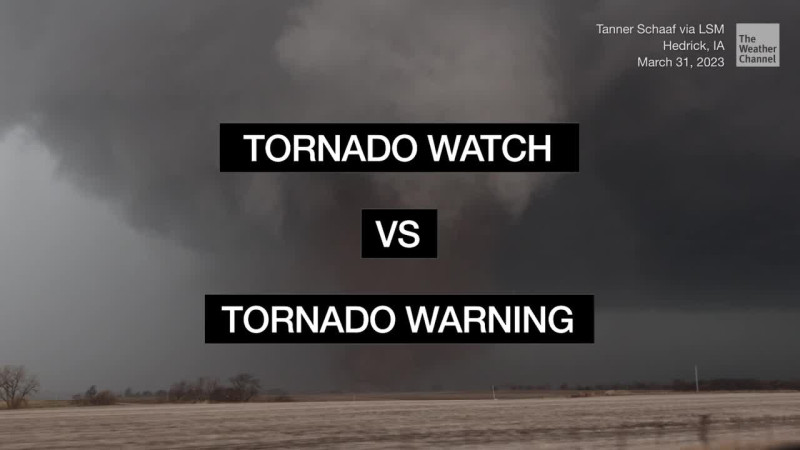
The sky darkens. Winds pick up. Your phone buzzes with an alert. Is it a tornado watch or a tornado warning? The difference between these two alerts can save your life. This is not a time to hesitate or wonder. When severe weather threatens, knowing the distinction between a tornado watch and a tornado warning is crucial. Think again.
What is a Tornado Watch?
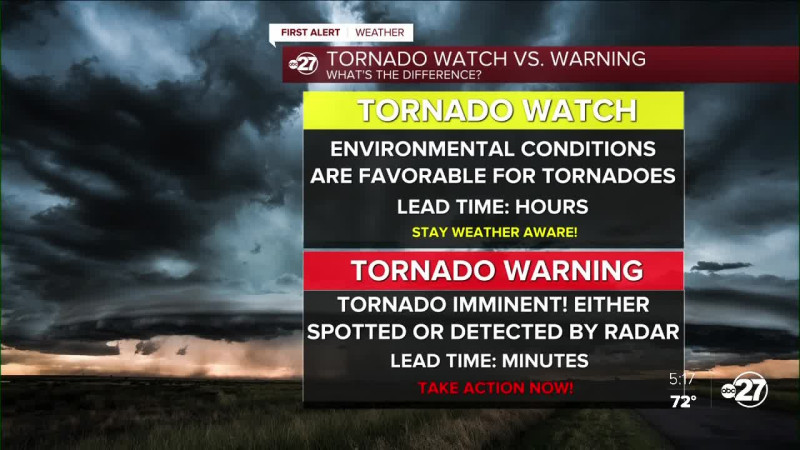
Imagine your alarm goes off. You are alerted to the possibility of a tornado. A tornado watch means conditions are favorable for tornadoes to form. It does not guarantee that a tornado will touch down, but it signals that the weather might turn deadly. The National Weather Service (NWS) issues a tornado watch when atmospheric conditions are conducive to the formation of tornadoes. This is not an immediate threat but a heads-up to be ready. Review your emergency plans, check your supplies, and ensure you have a safe place to go if a tornado does materialize.
Gone. The tornado watch ends. Now, stay vigilant. Keep an eye on the sky. Listen for updates from local authorities or the NWS. You will receive a tornado warning if a tornado is imminent or already on the ground.
What is a Tornado Warning?
Your phone buzzes again. This time, it is not a drill. A tornado warning means that a severe thunderstorm capable of producing a tornado is in your direct path or a tornado has been sighted. This is not a drill. It is time to act. A tornado warning is issued when a tornado is visually confirmed or detected by weather radar. This means that the tornado is either happening or about to happen.
A tornado warning will tell you specifically what prompted the alert. Many warnings are issued based on radar showing rotation, indicating a tornado is possible. Others can be confirmed as in progress.
Nobody saw this coming. The tornado warning has been issued. It is critical to take immediate action. Seek shelter in a sturdy building as soon as possible. Go to the lowest level, such as a basement or storm cellar, and stay away from windows. Protect yourself from flying debris by covering your head and neck with your arms and hands. If you are in a mobile home or vehicle, get out immediately and find a sturdy shelter. If no shelter is available, lie flat in the nearest ditch or ravine and cover your head with your hands.
How to Prepare for a Tornado Watch
So, what do you do when a tornado watch is issued? You prepare. You get ready. You make sure your family and your home are in a state of readiness. Check your emergency supplies. Make sure you have a first aid kit, flashlights, batteries, a portable radio, non-perishable food, and water. Know your safe spot. Teach your family members the emergency plan. Know where to go if a tornado strikes. Stay informed. Listen to local news or weather alerts. If you receive a warning, know what to do. Have a plan.
Listen for updates. The National Weather Service can issue a tornado warning if the conditions worsen. A tornado warning means that a tornado is in the area and you need to take immediate action. Be ready to act quickly. Your life might depend on it.
This is where the weather service is proactive. Tornado warnings are not just about saving lives. They are about saving lives quickly. The NWS has developed a system to issue warnings in 2-5 minutes using real-time data.
There is a tornado emergency designation. It is different from a tornado warning. It is the highest level of alert. It is issued when a large and destructive tornado is expected to hit a populated area. This designation was first used during the devastating tornado that struck Oklahoma City on May 3, 1999. It was called because the storm was too severe for a regular tornado warning.
Should you be more worried about a tornado watch or a tornado warning? The answer is yes. Both alerts are crucial. A tornado watch prepares you for the possibility of a tornado. A tornado warning tells you to take immediate action. Both are parts of a larger strategy to protect lives. Think of the watch as a call to arms and the warning as the battle cry. They are both essential, but the watch comes first.
When you hear the word tornado, what do you think of? A tornado warning is the most immediate threat. But a tornado watch is the call to action. It is the call to be prepared. It is the call to be ready. It is the call to be vigilant.
Do not let the tornado warning take you by surprise. Use the tornado watch to prepare. Use the tornado warning to act. Use both to stay safe. Then, you will be ready for anything.
What's your plan? Are you ready to act when the tornado warning comes? Do you know what to do during a tornado watch? What is your immediate next step? Are you prepared for the worst?
So, are you ready for the next alert? Tornado warning vs. tornado watch? You decide. This is your chance to make a difference.