As the winter solstice approaches, meteorologists brace for winter storms in California, with Sacramento and San Francisco on high alert.
La Niña Influences: Warmer, Drier Winters in California
The National Weather Service predicts a relatively mild and dry winter storm season for 2025-26 across California, influenced by La Niña conditions.
While this might seem promising, the lack of rain and snowfall will only exacerbate the state's ongoing drought, particularly in Northern California.
The Old Farmer's Almanac forecasts warmer and drier than normal conditions, with below-normal mountain snows.
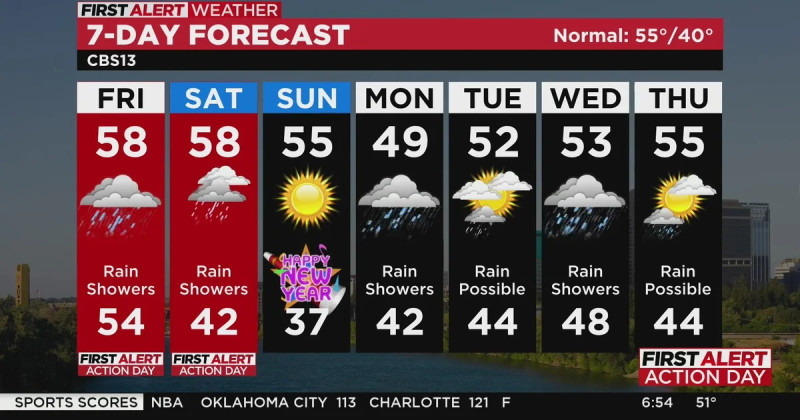
For Sacramento, this translates to fewer winter storm alerts and a mild start to the season.
However, the current lack of precipitation is cause for concern.
The Sacramento region has seen weeks of dry, foggy weather, which is unprecedented for this time of year.
Rather than heavy snowfall, residents are experiencing strong ridges of high pressure, leading to unseasonably mild temperatures and pockets of dense fog.
Winter Storm Watch: The Role of Climate Change
Climate change is driving higher temperatures and intensified weather patterns, including wet and dry spells.
In San Francisco, winters are warming at an alarming rate, with average temperatures rising by 3.6°F.
This trend is part of a larger pattern across the state, where winter temperatures are increasing due to climate change.
The European Center for Medium-Range Weather Forecasts predicts an 80% chance of less than an inch of rain in San Francisco in the first half of December, with a 40% chance of remaining dry throughout the period.
Such forecasts raise questions about the city's preparedness for potential winter storms.
Despite the warming trend, meteorologists warn that residents should remain vigilant for sudden weather changes, as heavy rain and snowfall can still occur even during milder seasons.
San Francisco's notoriously finicky residents are likely to experience more discomfort as the weather fluctuates between unseasonable warmth and sudden cold snaps.
Weather Patterns and Public Health
The impact of these weather patterns on public health cannot be overlooked.
San Francisco is accustomed to mild winters, but the recent cold snap has left residents shivering and unprepared.
In Sacramento, the dry and foggy conditions have led to an increase in respiratory issues, with many residents struggling to adapt to the uncharacteristic weather.
A strong ridge of high pressure is forecast over Northern California during the Christmas weekend, resulting in unseasonably mild temperatures and areas of night and morning fog.
This is particularly concerning for regions that typically rely on winter precipitation to replenish water supplies.
Climate experts warn that such weather patterns are becoming more common, making it essential for communities to prepare for the unpredictable nature of winter storms.
Residents are advised to stay informed through reliable sources such as the National Weather Service and local weather forecasts.
The National Weather Service Reno, NV and the San Francisco Bay Area, CA offices are monitoring the situation closely and will issue winter storm watches as necessary.
As the season progresses, meteorologists will continue to monitor the situation, issuing updates and warnings as needed.
For the latest 10-day forecast, residents can rely on the Weather Channel and Weather.com, which provide accurate and up-to-date information.
As the winter storm season unfolds in Sacramento, the possibility of an intense storm or a sudden cold snap remains a constant concern, underscoring the need for vigilance and preparedness.