In a significant move that echoes the Vietnam War-era, the U.S. military draft is set to undergo a seismic shift with the implementation of automatic draft registration by December 2026. This change, part of a broader overhaul of the Selective Service System, will see eligible American men between the ages of 18 and 26 automatically registered for potential military conscription, marking a departure from the self-registration process that has been in place for decades .
The Transition to Automatic Draft Registration
The shift towards automatic draft registration is a historic move, one that lawmakers and the Selective Service agency have long debated. The decision to implement this change is rooted in streamlining the registration process and ensuring a more comprehensive database of eligible individuals. This automatic registration will cover a broader demographic of 18 to 26-year-old males, expanding the current age range from 18 to 25.
This transition is part of a broader effort to modernize the Selective Service System, which has remained largely unchanged since its inception during the Vietnam War. The original system relied on individuals to proactively register themselves. Failure to do so could result in serious legal consequences, including fines and even potential imprisonment. The new system aims to eliminate these gaps by integrating with existing government databases, ensuring that every eligible male is automatically registered.
Understanding the Impact on Eligible Men
The impact of this change on eligible men is multifaceted. On one hand, it simplifies the process by removing the burden of self-registration, potentially increasing compliance rates. On the other hand, it raises questions about privacy and the potential for overreach. Critics argue that automatic registration could infringe on individual rights, while supporters point to the necessity of maintaining a robust military draft system in case of national emergencies.
It is important to note that military draft registration is not the same as enlisting in the military. Registration does not automatically mean induction into the armed forces. The Selective Service System serves as a pool of potential draft-eligible individuals, ensuring that the military has a ready reserve in times of crisis.
Let's not kid ourselves; this change is not without its challenges. The Selective Service System will need to adapt to the new automatic registration process, ensuring that the data is accurate and up-to-date. Furthermore, the system must be able to handle the influx of new registrations, which could be substantial given the expanded age range.
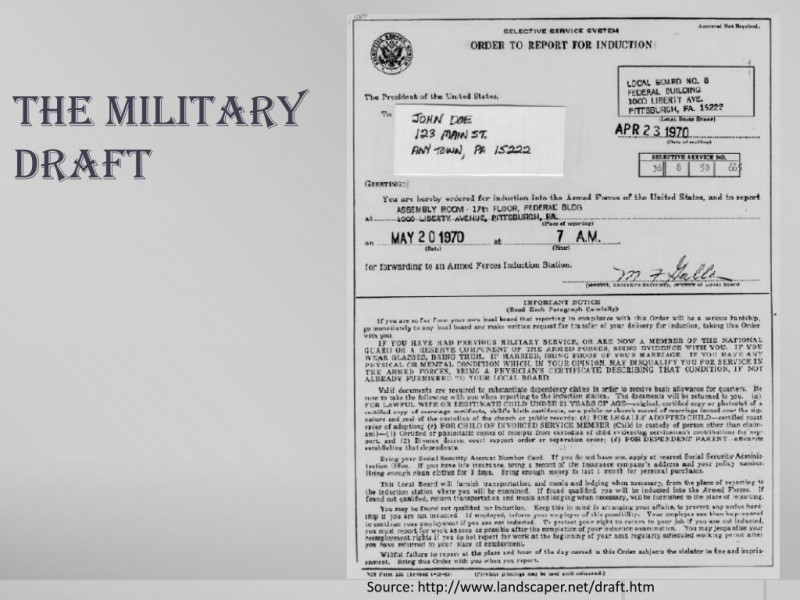
The data is damning: the last time men were drafted to fight in the military was in 1973, toward the end of the Vietnam War, but the precedent can change. One counter-argument against this automatic registration is the potential for overreach. Critics worry that the government could use this data for purposes beyond military conscription, raising concerns about privacy and civil liberties.
The Path Forward
As we approach December 2026, the implementation of automatic draft registration will undoubtedly be a topic of intense debate. The success of this transition will hinge on the Selective Service System's ability to manage the new process efficiently and ethically. The government must ensure that the data collected is used solely for its intended purpose and that individuals' rights are protected.
Ultimately, the implementation of automatic draft registration represents a significant change in how the U.S. prepares for potential military conflicts. While the system is designed to ensure a ready pool of eligible individuals, it also raises important questions about privacy, civil liberties, and the role of the military in society. As the deadline approaches, it will be crucial for lawmakers and the public to engage in open dialogue about the implications of this change and how best to navigate this new landscape.
As the automatic draft registration process rolls out, it will be interesting to see how it parallels the historical registration drives of the past. In a sense, we are revisiting a chapter of our nation's history, albeit with a modern twist. Just as the draft registration of the Vietnam War era shaped a generation, this new process will undoubtedly leave its mark on the millennial cohort and beyond.