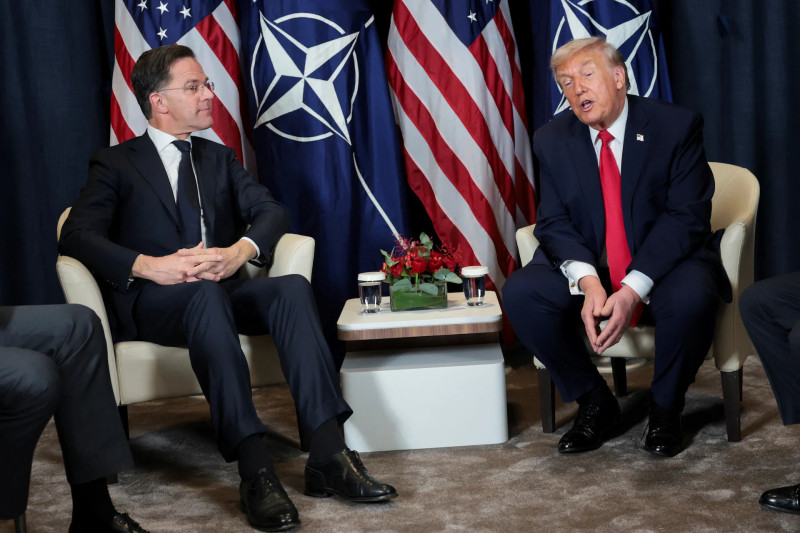
The global geopolitical landscape is in turmoil once more, as US President Donald Trump has revamped his criticisms of NATO following a tense closed-door meeting with NATO Secretary-General Mark Rutte. The discussions, which occurred in Davos, Switzerland, have sparked renewed controversy and speculation about the future of transatlantic relations and the fate of Greenland, a territory that Trump has long eyed with ambition. The diplomatic fallout from the Iran conflict is exposing deep-seated rifts within the security alliance and raising questions about the reliability of its member states.
Rising Tensions: Trump's Criticism of NATO
Following the meeting with Rutte, Trump unleashed a barrage of criticism against NATO, highlighting the alliance's failure to provide sufficient support for US military operations in Iran. This is not the first time Trump has aired his grievances against NATO, but the renewed allegations come at a moment when transatlantic unity is already under strain. The president's dissatisfaction with NATO's performance has been a recurring theme throughout his tenure, and his recent remarks suggest that he is growing increasingly frustrated with the alliance's perceived lack of solidarity.
Trump's frustration is multifaceted. He has long argued that NATO members are not pulling their weight financially, with many countries failing to meet the agreed-upon defense spending targets. This financial burden, Trump asserts, falls disproportionately on the US, which he believes should not be the primary funder of a global security alliance.
In addition to financial concerns, Trump has expressed disappointment with NATO's military strategy and operational effectiveness. He believes that the alliance has been slow to respond to emerging threats and has not adequately supported US-led military interventions. This perception has fueled Trump's frustration and contributed to his recent outburst.
Trump’s attack on NATO follows a pattern of US leaders expressing frustration with the international organization, but the intensity and frequency of his criticism are unprecedented. His recent remarks are seen as a reflection of broader shifts in US foreign policy, which prioritize national sovereignty and bilateral agreements over multilateral commitments.
In a striking display of frustration, Trump publicly questioned the reliability of NATO, hinting at the possibility of the US withdrawing from the alliance. But is this just political posturing, or a genuine threat?
Trump's renewed focus on Greenland is particularly noteworthy. The Arctic island, which is part of Denmark, has long been a point of contention between the US and NATO. Trump's recent comments suggest that he is considering a more aggressive approach to securing control over Greenland, potentially even by force.
Greenland: The Arctic Chess Piece
The strategic significance of Greenland cannot be overstated. The island's vast natural resources, including oil, gas, and rare earth minerals, make it a valuable asset in the geopolitical chess game. Additionally, Greenland's geographic location gives it significant military and strategic importance, particularly in relation to Arctic sovereignty and control over key sea lanes.
"Greenland is a key strategic asset in the Arctic," says a senior diplomat, "and Trump's interest in it is not just about resources; it's about control over a vital region that could define future geopolitical dynamics." This sentiment underscores the complex interplay of economic, military, and geopolitical interests that are at stake in the ongoing dispute over Greenland.
Trump's renewed threats over Greenland come as a surprise to many, given that Rutte had successfully calmed the crisis during the January summit in Davos. Trump's threats to seize Greenland by force had been temporarily assuaged by Rutte's diplomatic efforts, which focused on a negotiation framework rather than forceful acquisition. However, Trump's recent remarks suggest that he is once more entertaining the idea of using military force to gain control over the territory, a move that would be widely condemned by the international community.
The possibility of the US withdrawing from NATO is a chilling prospect for many in the international community. Such a move would have far-reaching implications for global security and stability, potentially leading to a realignment of power dynamics and the emergence of new alliances. It could also signal a broader shift in US foreign policy, prioritizing unilateral action over multilateral cooperation.
How will these developments unfold? Is the US really on the brink of a major geopolitical pivot, or is this merely a tactical maneuver to exert pressure on NATO and its member states? Only time will tell.
The Iran Factor: A Divided Alliance
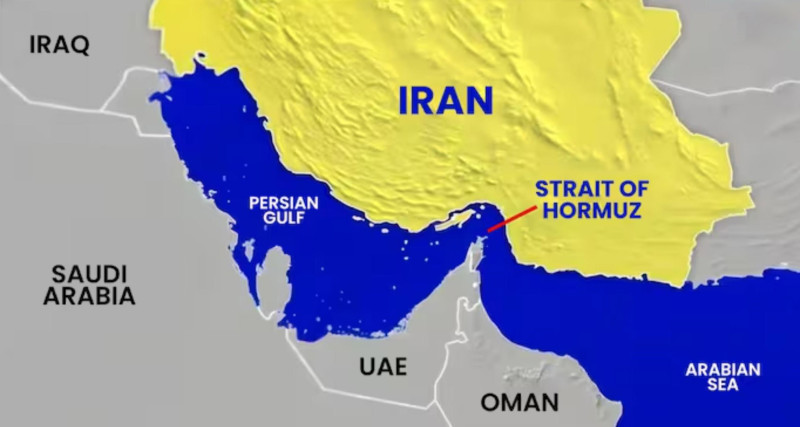
The Iran conflict has further exacerbated the tensions within NATO, with member states divided over the appropriate response to Iran's actions. Trump's frustration with NATO's lack of support in the conflict has been a recurring theme in his recent remarks, and his criticism of the alliance's performance has been particularly scathing. Trump has accused NATO of failing to live up to its obligations, both in terms of financial contributions and military support. The ongoing conflict in Ukraine has also contributed to the growing rift within the alliance, with some member states prioritizing their own national interests over collective security commitments.
As the geopolitical landscape continues to evolve, the future of NATO and its member states hangs in the balance. The recent developments surrounding Greenland, Iran, and NATO's reliability have raised urgent questions about the alliance's ability to navigate the complexities of modern geopolitics and maintain its relevance in an increasingly multipolar world. The next moves by Trump and his administration will be watched closely by all ,including the Danish government.