Get this — Iran has shut down the Strait of Hormuz. Sound familiar? It’s not the first time Tehran has pulled this geopolitical lever, but the latest move is a massive escalation in ongoing tensions. In a nutshell, Iran's blockade is a direct response to recent joint military strikes by the United States and Israel, which resulted in the assassination of Iran's supreme leader, Ali Khamenei. Here's what you need to know.
The Strategic Importance of the Strait of Hormuz
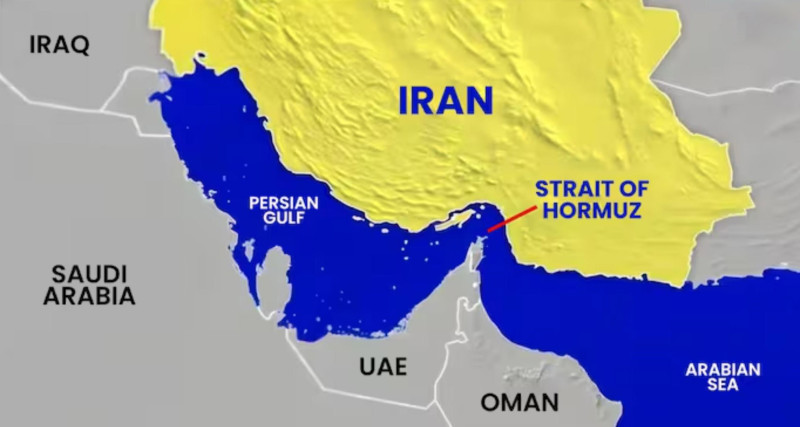
The Strait of Hormuz is a critical maritime chokepoint, handling about 20% of the world's oil and natural gas trade . It’s a narrow channel that connects the Persian Gulf to the Gulf of Oman, and from there to the Indian Ocean and global shipping lanes. This makes it essential for global energy trade. Iran and Oman control the territorial waters along the strait, giving Iran significant leverage in any potential blockade .
Look, the Strait of Hormuz isn't just a waterway — it's a strategic choke point. Iran's move to block this crucial maritime route isn't just a way to retaliate against US and Israeli aggression; it's a powerful statement in the geopolitical chess game. Here's the thing: the Strait is the only sea route for about 20% of the world's oil and natural gas trade . That’s a massive chunk of the global energy supply. And when you control a vital route like this, you hold a lot of power.
And then — get this — the price of oil and gas skyrocketed by more than 50% since the US and Israel began attacking Iran . The economic impact is staggering. Iran's blockade not only disrupts global energy supplies but also sends shockwaves through the global economy, driving up prices and causing chaos in energy markets . It's a double whammy for countries reliant on Middle Eastern oil.
Iran's Tactical Advantage and the Global Response
Iran's control over the Strait of Hormuz gives it a significant edge in this geopolitical conflict. Iran’s unconventional warfare methods and the strait’s geography make it a formidable strategic asset. Plus, Iran's control over the Strait of Hormuz isn't just about geography; it's also about unconventional warfare tactics. Iran has mastered asymmetric warfare, using swarms of drones and Iranian naval forces to harassment and threaten shipping in the region . That’s a lot of firepower to counter, especially given the strait's narrow confines, where even a small number of vessels can cause massive disruptions.
The international community is scrambling to respond. The US and its allies are considering multiple strategies, from military intervention to diplomatic pressure. But here's the twist: Iran is also reportedly planning to demand that shipping firms pay tolls in cryptocurrency to let their oil tankers through the strait . This new twist adds another layer of complexity to an already tangled geopolitical landscape . Imagine trying to navigate global sanctions while also dealing with Iran's cryptocurrency tolls. It's a logistical nightmare.
The Immediate Impact on Global Markets and Regional Stability
The blockade is sending shockwaves through global markets. Oil prices are soaring and supply chains are disrupted. The recent ceasefire between Iran and the US was short-lived, and the reversal is causing further uncertainty. The Lebanon ceasefire was a fragile agreement, and Iran’s blockade is a blatant disregard for that ceasefire, leaving the international community in chaos .
This situation is a reminder of how easily global stability can be disrupted by a single geopolitical move. It's a wake-up call for policymakers and industries alike to be more prepared for such disruptions. The blockade highlights the delicate balance of power in the Middle East and the wider world. It’s a stark reminder of how interconnected the global economy is. The Strait of Hormuz isn't just a geopolitical asset; it's a lifeline for the world's energy supply .
In Lebanon, the situation is even more volatile. Iran’s actions are causing ripples of unrest and uncertainty across the region. The broader impact of Iran’s blockade on the Middle East is profound. It’s not just about oil; it’s about regional stability and the delicate balance of power. The Strait of Hormuz is more than just a waterway — it’s a strategic chokepoint that could determine the fate of the Middle East and beyond. The situation in Lebanon is a microcosm of the broader geopolitical tensions in the region.
There’s a lot riding on how this situation unfolds, and the world is watching closely.
The Strait of Hormuz is more than just a waterway—it’s a strategic chokepoint that could determine the fate of the Middle East and beyond.