Georgia's 14th Congressional District has made headlines once again as Republican Clay Fuller secured a decisive victory in the special election runoff, filling the seat vacated by Marjorie Taylor Greene. This election, held on April 8, 2026, was a crucial test for both parties, especially in the wake of recent political shifts and the ongoing battle for control of Congress. Let's delve into the details of this Georgia special election and its broader implications.
The Path to Victory: Fuller's Campaign and Strategy
The road to victory for Clay Fuller was paved with strategic maneuvering and a strong focus on local issues. Fuller, a former district attorney, leveraged his legal background and local ties to build a robust campaign. His platform emphasized law and order, economic growth, and conservative values—all crucial talking points that resonated with the district's largely Republican electorate. The runoff election, which took place after a tight primary, showcased Fuller’s ability to mobilize support and secure a decisive win.
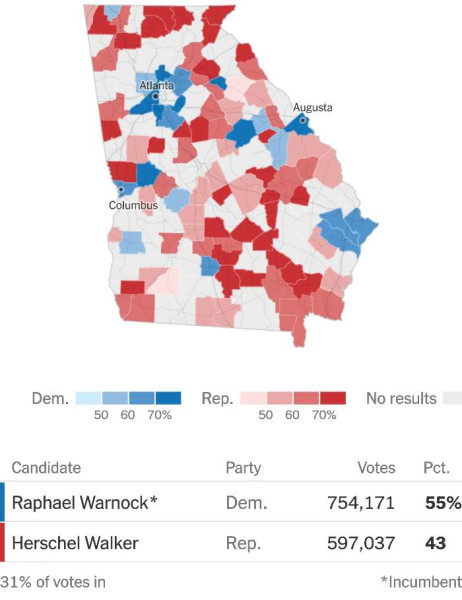
Fuller’s campaign was bolstered by the support of key Republican figures, including former President Donald Trump, who endorsed Fuller’s candidacy. This endorsement was pivotal, given Trump’s enduring influence among the Republican base. The data is damning: Fuller's 53,358 votes, or 55.58% of the total, underscored the effectiveness of his strategy and the power of Trump’s endorsement.
“The voters of the 14th Congressional District have spoken, and they have chosen Clay Fuller to represent them in Congress. His victory is a testament to the strength of the Republican Party in Georgia and the power of conservative values.” - Republican Party Spokesperson
Shawn Harris's Challenge and the Democratic Response
On the other side of the aisle, Democrat Shawn Harris, a retired Army brigadier general, fought a valiant but ultimately unsuccessful battle. Harris, with his military background and focus on national security and veterans' issues, presented a strong challenge to Fuller. However, the district's voting patterns and historical trends heavily favored the Republicans. Harris, who received 42,636 votes or 44.42% of the total, conceded the race gracefully, highlighting the challenges faced by Democrats in this traditionally Republican stronghold.
Here's what nobody's asking: Why did the Democratic Party fail to capitalize on the national mood, which has seen a growing dissatisfaction with conservative policies in recent months? The answer lies in the district's demographics and the effectiveness of Fuller’s local campaign. Let’s not kid ourselves; the Democratic Party needs to reassess its strategy in traditionally Republican districts if it hopes to make gains in the future.
The Broader Implications for Georgia Elections and National Politics
The implications of this special election extend far beyond the 14th District. The victory of Clay Fuller bolsters the slim Republican majority in the House of Representatives and sets a precedent for future elections. Georgia has become a battleground state, with close races and high stakes, and this election is a clear indicator of the political landscape to come.
The results of this election also highlight the importance of local campaigns and endorsements. Fuller’s victory was not just a win for the Republican Party but a testament to the power of grassroots support and strategic campaigning. The 14th District’s Georgia special election serves as a blueprint for future races, emphasizing the need for candidates to connect with their constituents on a personal level.
Looking forward, the Georgia election results will continue to shape national politics, as the state's influence grows. The ongoing battle for control of Congress will likely see more tight races and strategic maneuvers, making Georgia a critical player in the political arena. This race is just the beginning of a long and complex journey for both parties.
As the political landscape evolves, one thing is for certain: the 14th District special election has set the stage for future contests, and the stakes have never been higher.