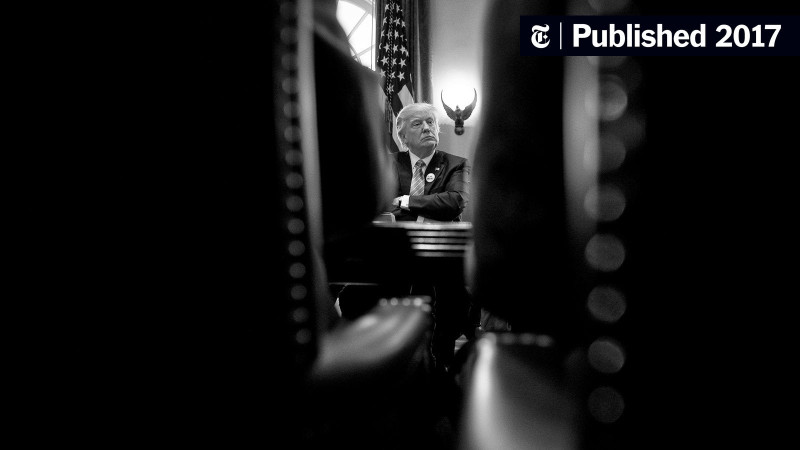
The 25th Amendment to the U.S. Constitution is a safeguard mechanism, a constitutional speed bump designed to ensure continuity and stability in the highest office of the land. It outlines the protocols for presidential succession and incapacity, a framework often overlooked until it is thrust into the spotlight by events like President Donald Trump's controversial social media posts, which have reignited debates over presidential incapacity and the potential invocation of Section 4 of the 25th Amendment .
Navigating the 25th Amendment and Presidential Succession
The 25th Amendment was enacted in 1967, primarily to address the void left by the assassination of President John F. Kennedy. It establishes clear guidelines for transferring presidential power, ensuring that the government remains functional in times of crisis. The Amendment outlines four key sections, each addressing different aspects of presidential succession and incapacity. Sections 1 and 2 deal with the vice presidency and the appointment of a new vice president in case of a vacancy. Sections 3 and 4 focus on temporary and permanent presidential disability, respectively .
Section 3 of the Amendment allows the president to voluntarily transfer power to the vice president in cases of temporary incapacity, such as medical procedures or illnesses. This provision ensures that the government can continue to function smoothly even if the president is temporarily unable to perform their duties. Section 4, on the other hand, provides a mechanism for the vice president and a majority of the Cabinet to declare the president incapacitated, transferring power to the vice president until the president can resume their duties. This provision has never been used, adding an element of uncertainty and debate surrounding its application .
Examining Section 4 of the 25th Amendment and Presidential Disability
Section 4 of the 25th Amendment has always remained in the shadows, invoked only through political rhetoric and speculative discussions until recent years. This section allows the vice president and a majority of the Cabinet to declare the president unable to discharge the powers and duties of their office. Such a declaration would trigger the vice president to become acting president, with the current president only able to resume their duties upon certification by the vice president and a majority of the Cabinet. This provision highlights the delicate balance between executive power and constitutional safeguards .
The potential invocation of Section 4 has been a subject of intense debate, particularly under the Trump administration. Critics argue that the provision could be misused for political gain, while proponents see it as a necessary safeguard against a president deemed unfit for office. The absence of clear guidelines on what constitutes "incapacity" adds to the complexity, making it a contentious and politically charged issue .
President Trump’s recent social media post threatening Iran has reignited calls for the 25th Amendment, highlighting debates over presidential incapacity. This is not the first time such calls have been made; previous incidents, including Trump's comments about protesters in the aftermath of the George Floyd protests and his controversial tweets, have also sparked discussions about invoking the Amendment. These incidents underscore the ongoing debate over the boundaries of executive power and the need for constitutional safeguards .
The Impact on Presidential Succession and Political Landscape
The 25th Amendment remains a powerful tool in the constitutional arsenal, ensuring stability and continuity in the highest office of the land. It serves as a reminder that the presidency is not above the law and that the framers of the Constitution foresaw the need for mechanisms to handle crises of leadership. The ongoing debate over its invocation underscores the delicate balance between executive power and constitutional safeguards, a balance that will continue to be tested in the years to come .
As the political landscape evolves, the 25th Amendment will continue to be a topic of discussion, especially when faced with unprecedented challenges and crises. The Amendment's ability to safeguard the nation and its people during times of uncertainty remains a cornerstone of the American constitutional framework. The 25th Amendment, a prudent, forward-thinking mechanism, is a testament to the pioneers who envisioned a nation resilient to even the darkest hours of leadership uncertainty. It stands as a beacon of constitutional vigilance, a reminder that the principles of democracy and governance endure despite the storms of political turmoil.