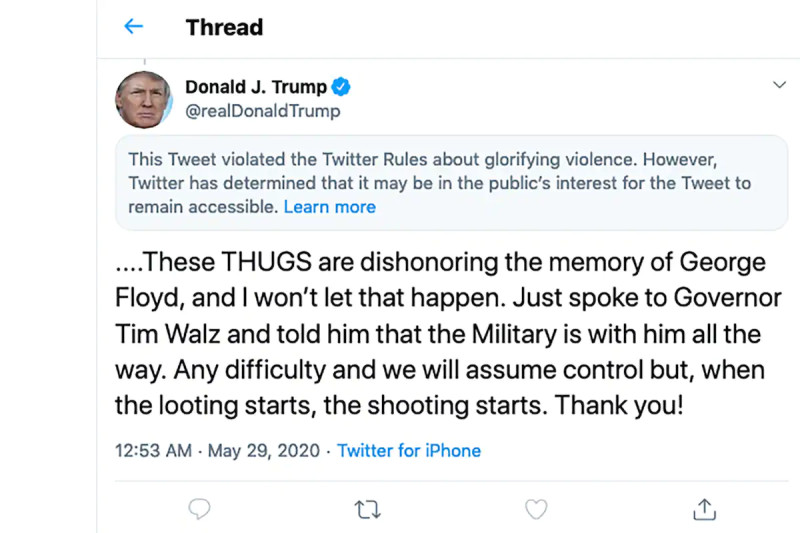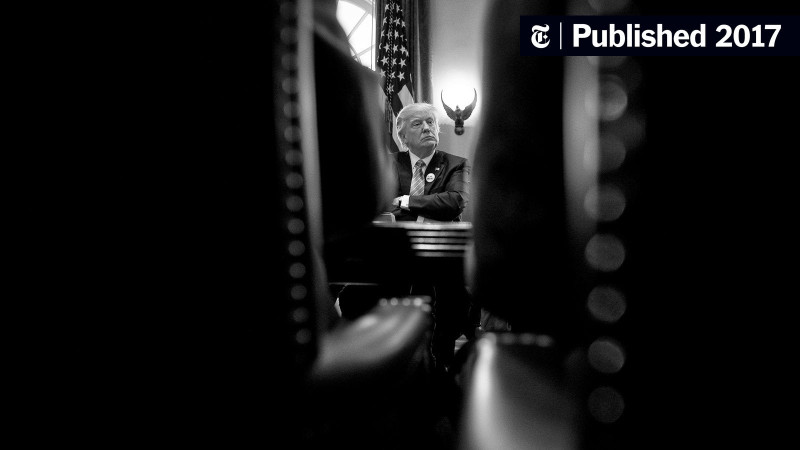
On Easter Sunday, 2026, Donald Trump ignited a fresh wave of debate around the 25th Amendment, specifically Section 4, with a profanity-laden post directed at Iran. The former president's incendiary language once again raised questions about his mental stability and the constitutional mechanisms to address a president's incapacity. This isn't the first time Trump's rhetoric has prompted calls to invoke the 25th Amendment. Let's take a closer look at the specifics of Section 4 and the broader implications for presidential power.
Understanding Section 4 of the 25th Amendment
Section 4 of the 25th Amendment is a critical constitutional provision that outlines the process for removing a president from office due to incapacity. This section allows the vice president, along with a majority of the cabinet, to declare the president "unable to discharge the powers and duties of his office". If invoked, the vice president assumes the role of acting president until the president's incapacity is resolved or the situation is resolved.
The process is designed to be a safeguard against a president who is incapacitated, whether due to physical illness, mental impairment, or other reasons that make them unfit to serve. However, invoking Section 4 is not a trivial matter. It requires a unanimous decision from the cabinet and the approval of Congress, which means it is a high bar to clear.
The 25th Amendment was ratified in 1967 following the assassination of President John F. Kennedy, aiming to clarify the line of succession and address situations where a president might be incapacitated. The amendment has been invoked three times, but always voluntarily by the president to temporarily transfer power to the vice president during medical procedures.
Trump's Easter Message and the Resurgence of 25th Amendment Debates
On Easter Sunday, 2026, Trump posted a message on Truth Social that included profanities and threats directed at Iran, calling Iranians "crazy bastards" and praising Allah. This post sparked renewed calls from critics and lawmakers to consider invoking Section 4 of the 25th Amendment, raising concerns about Trump's mental fitness and the potential consequences of his rhetoric.
Critics argue that Trump's behavior and language have repeatedly crossed the line of acceptable conduct for a public figure, let alone a former president. His inflammatory rhetoric has had real-world consequences, often escalating tensions and sparking international incidents. Some argue that allowing such behavior to continue unchecked sets a dangerous precedent for future leaders and weakens the office of the presidency.
However, others contend that invoking Section 4 would be a political maneuver, setting a dangerous precedent for future presidents. Every president faces criticism and scrutiny, and removing a leader based on political disagreements rather than clear incapacity could undermine democratic principles.
Given the gravity of invoking Section 4, it's clear that the process is not merely a tool for political retribution but a last resort to protect the nation from a dangerously incapacitated leader.
The Future of Presidential Power and Accountability
The 25th Amendment serves as a crucial check on presidential power, but its invocation is fraught with political and constitutional complexities. The debate surrounding Trump's behavior highlights the delicate balance between accountability and political maneuvering. As the nation continues to grapple with the limits of presidential power, it is essential to remember that the 25th Amendment is a safeguard, not a political weapon.
The ongoing discussions about Trump's fitness for office underscore the need for transparent and objective criteria for invoking Section 4. Whether Trump's actions warrant such extreme measures remains a contentious issue, but the broader implications for presidential accountability and the integrity of the office cannot be ignored.
Let's not kid ourselves. The political landscape is fraught with challenges, and the 25th Amendment is a critical tool that must be wielded with caution and forethought.