Pittsburgh residents are no strangers to the volatile weather that can sweep through the region. As of April 2026, understanding the difference between a tornado warning and a tornado watch could literally mean the difference between life and death. The National Weather Service (NWS) issues these alerts to prepare communities for potential severe weather, but the terms are often misunderstood. Here’s what you need to know about tornado watches and tornado warnings as Pittsburgh prepares for another stormy season.
Understanding the Basics: Tornado Watch vs. Tornado Warning
A tornado watch indicates that weather conditions are favorable for the development of tornadoes. This is not an immediate threat but a heads-up that you should stay alert. Conditions may include severe storms, strong winds, and thunderstorms that could spawn tornadoes. Residents should have their emergency plans ready and be prepared to act quickly if conditions worsen .
A tornado warning, on the other hand, is a more urgent alert. It means that a tornado has already been spotted or detected by radar. This is the time to take immediate action to protect yourself and your loved ones. Residents should move to a designated safe area, such as a basement or an interior room on the lowest level of the building, and stay there until the warning is lifted.
Pittsburgh’s Recent Encounters with Tornado Warnings
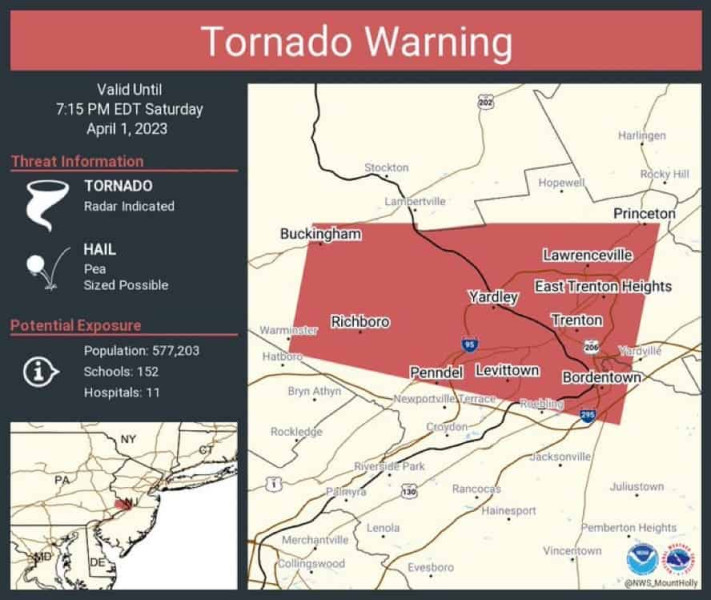
Pittsburgh’s recent history with tornado warnings serves as a stark reminder of the importance of understanding these alerts. In April 2026, parts of Mercer and Lawrence counties, as well as areas in Ohio, were under a tornado warning that expired early in the evening. These warnings are issued when meteorologists detect a tornado on radar or receive confirmed sightings. This high-grade alert is a call to action for residents to seek immediate shelter.
Tornado warnings are not issued lightly. They require immediate attention because a tornado is happening now, and every second counts. When a warning is issued for Pittsburgh, residents should prioritize safety above all else.
There’s a critical difference between a tornado watch and a tornado warning. A watch means conditions are right for a tornado to form, but one hasn't been spotted yet. A warning, however, means a tornado is happening right now and has been confirmed. Think again about the impact of these warnings on public safety.
Preparing for Tornado Season in Pittsburgh
As Pittsburgh braces for the upcoming tornado season, being proactive is key. Residents should have a safety plan in place, including a designated safe area in their homes. This could be a basement, an interior room without windows, or a reinforced storm shelter. Additionally, it’s crucial to have an emergency kit stocked with essentials such as water, non-perishable food, a first-aid kit, flashlights, and a portable radio.
It’s also advisable to stay informed through reliable weather sources. The NWS provides timely updates and alerts, and local news stations often broadcast real-time weather information. Residents should follow these sources closely during severe weather events.
“When a tornado warning is issued, people often have less than 13 minutes to act. Knowing the difference between a watch and a warning can save lives,” says a spokesperson from the NWS Pittsburgh office, emphasizing the urgency of being prepared.
Tornadoes are a formidable force of nature that can strike without warning. Preparedness and understanding the distinctions between watches and warnings are vital. So, the next time a tornado warning is issued for Pittsburgh, remember to act swiftly and seek safety. Your life may depend on it.