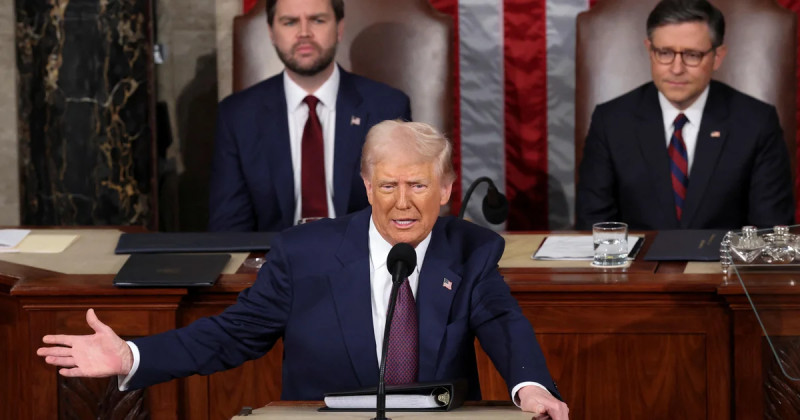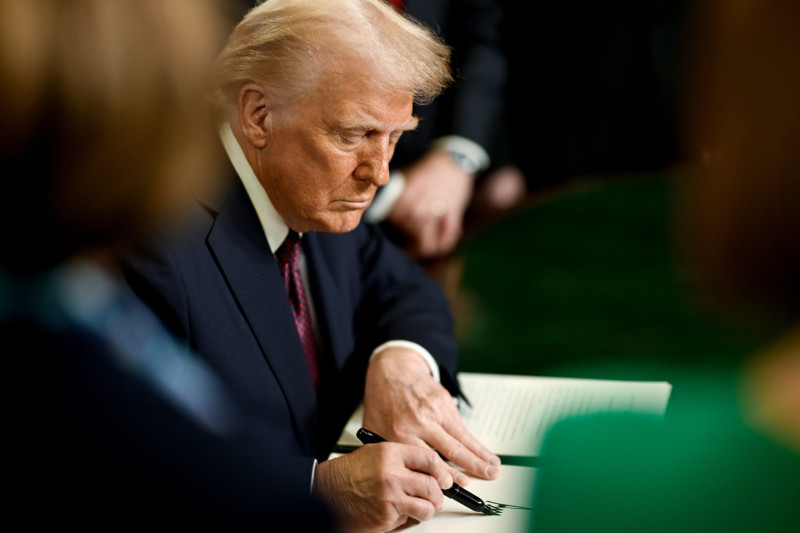
On March 21, 2026, the U.S. Supreme Court heard oral arguments in the high-stakes case of birthright citizenship, a controversial policy that has been the talk of the town since late 2025 when President Trump ordered to end birthright citizenship. The debate, pitting constitutional scholars and immigration advocates against each other, centers on the interpretation of the 14th Amendment and its impact on undocumented immigrants.
Birthright Citizenship: The Legal Framework
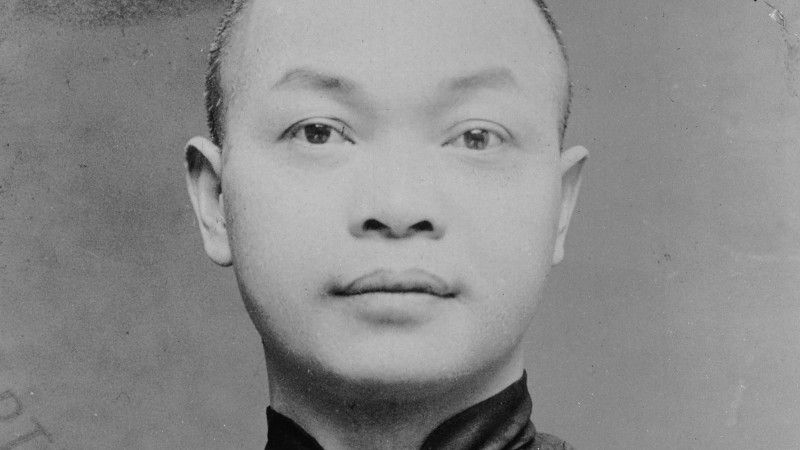
The concept of birthright citizenship is deeply rooted in the Fourteenth Amendment of the U.S. Constitution. This amendment guarantees citizenship to every child born within the jurisdiction of the United States, a principle affirmed through landmark cases like United States v. Wong Kim Ark. Wong Kim Ark, a Chinese American man born in San Francisco to Chinese immigrants, challenged his citizenship status after being denied reentry into the U.S. in 1896. The Supreme Court's 1898 decision in Wong Kim Ark’s favor cemented the notion that children born to non-citizen parents on U.S. soil are indeed U.S. citizens.
John Sauer, a constitutional law professor at the University of Richmond, asserts that the core of the debate lies in the interpretation of the phrase "subject to the jurisdiction thereof." Sauer argues, "The original intent of the framers was to include all persons born within the territory, except for children of foreign diplomats and enemy forces. This interpretation has been upheld by the courts for over a century, but recent political shifts are challenging these precedents."
The Legal Battle at the Supreme Court
The current case before the Supreme Court involves a challenge to birthright citizenship from a 2025 executive order. The order, if upheld, would dramatically alter the landscape of U.S. immigration law by restricting birthright citizenship to children born to legal residents only. The controversy hinges on whether the 14th Amendment’s Citizenship Clause applies to children born to undocumented immigrants.
Opponents of the executive order, including immigration rights groups and legal scholars, argue that such a change would be unconstitutional and would destabilize the legal standing of millions of Americans. "This executive order would undermine the principles of due process and equal protection enshrined in the 14th Amendment," said John Sauer, emphasizing the potential for widespread legal challenges and social unrest.
Meanwhile, those supporting the order claim it would curb the perceived abuses of the current system, where children born to undocumented immigrants automatically gain citizenship, thereby incentivizing illegal immigration.
Global Perspectives on Birthright Citizenship
The United States is not alone in grappling with birthright citizenship. Globally, 33 countries and two territories practice unrestricted birthright citizenship. Canada, Argentina, and Brazil are among the nations that automatically grant citizenship to children born within their borders, regardless of the parents' immigration status. However, other countries like Germany and France apply restrictions, offering birthright citizenship only under specific conditions, such as the parent’s legal residence status or length of stay in the country.
The 14th Amendment has been a central point of this discussion.
What is Birthright Citizenship? It is a governmental policy under which any child born within a country’s borders or territory is automatically granted citizenship in that country—even if their parents are not citizens. This policy, known as jus soli, has been the subject of intense legal and political debates. In the U.S., the principle of birthright citizenship has been repeatedly affirmed through cases like Wong Kim Ark. In 2026, the court’s decision on this matter will shape the future of immigration policy and the legal status of millions of Americans.
The legal and political landscape is rife with uncertainty, but one thing is clear: the outcome of this case will have far-reaching implications, not just for the U.S. but for countries worldwide grappling with similar debates over citizenship and immigration. Lawmakers in the U.S. and abroad are closely watching the Supreme Court's decision, expected sometime in mid-2026.