In the fluorescent glare of the Supreme Court briefing room, Solicitor General D. John Sauer paces, his eyes darting over the thick case files. The air is thick with tension as the court prepares to hear arguments over birthright citizenship, a contentious issue that has divided the nation. Sauer is at the center of this storm, tasked with defending President Trump's controversial executive order to limit birthright citizenship.
John Sauer: The Man at the Helm of the Supreme Court Showdown
John Sauer is no stranger to high-stakes legal battles. As the Solicitor General, he represents the Trump administration in some of the most contentious cases before the Supreme Court. His role in the birthright citizenship case is particularly challenging, given the historical and constitutional implications at stake. Sauer's defense of the order has faced scrutiny from both conservative and liberal justices, who have questioned the legal and constitutional basis for the move. — The core of the dispute revolves around the 14th Amendment, which guarantees citizenship to anyone born on U.S. soil, regardless of their parents' immigration status. Trump's order seeks to restrict this right, sparking a fierce legal and political debate.
The Landmark Case of Wong Kim Ark: A Beacon in the Citizenship Debate
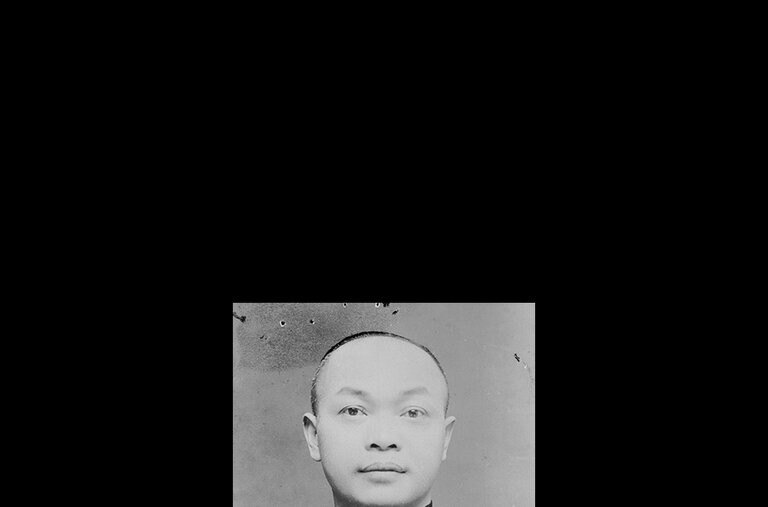
To understand the current controversy, it's essential to look back at the landmark case of Wong Kim Ark, decided in 1898. The case involved a Chinese American man who was born in the United States but was denied re-entry after a trip to China. The Supreme Court ruled in his favor, affirming that Wong was a U.S. citizen by birth. The decision has since been a cornerstone of birthright citizenship, emphasizing that citizenship is granted to anyone born in the U.S. regardless of parental nationality or immigration status. This precedent has been a focal point in the current debate, with Solicitor General John Sauer and ACLU attorney Cecillia Wang clashing over its interpretation and applicability.
The significance of the Wong Kim Ark case cannot be overstated. It underscores the principle that the 14th Amendment applies to all individuals, regardless of their ethnic or national background. The case has become a rallying point for those defending birthright citizenship, highlighting the broader implications of the current legal challenge. The Supreme Court's decision in this case will have far-reaching consequences, affecting millions of people and the very fabric of American citizenship. As the justices weigh the arguments, the legacy of Wong Kim Ark looms large, serving as a guiding light in the tumultuous debate over birthright citizenship.
Cecillia Wang: A Voice for the Defense of Birthright Citizenship
On the other side of the courtroom stands Cecillia Wang, the ACLU's legal director and a staunch defender of birthright citizenship. Wang, herself the child of Chinese immigrants, has been a vocal critic of Trump's executive order. She argues that the order is both unconstitutional and contrary to the principles established in the Wong Kim Ark case. Wang's arguments have resonated with many, as she has highlighted the potential impact on millions of Americans and the erosion of fundamental constitutional rights.
Wang's presence in the courtroom adds a personal dimension to the debate. As a second-generation American, she embodies the very principles of birthright citizenship that are under threat. Her arguments have underscored the emotional and ethical dimensions of the case, making it clear that the outcome will have profound implications for millions of Americans.
In the hum of phones buzzing in pockets and the hushed whispers of court reporters, the tension is palpable. The justices' questions are probing, their skepticism evident. Sauer, facing a barrage of questions from all sides, must navigate the legal and constitutional intricacies of the case. He defends the administration's position, arguing that the executive order is a necessary step to curb illegal immigration and protect national security. But the justices are not easily convinced, their queries delving deep into the legal underpinnings of birthright citizenship.
Wang, meanwhile, stands firm in her defense, her voice steady and assured. She counters Sauer's arguments with historical and legal precedents, emphasizing the enduring significance of the Wong Kim Ark case. As the hearing progresses, it becomes clear that the court is grappling with a decision that will shape the future of American citizenship.
Near the end of the hearing, Sauer pauses, his eyes meeting those of the justices. The room is silent, the weight of the decision hanging heavy in the air. The justices will now retire to deliberate, their ruling potentially redefining the contours of American citizenship. As the courtroom empties, Sauer stands alone, a lone figure in the vast room, the echoes of the debate lingering in the air. The future of birthright citizenship hangs in the balance, and the world watches and waits, the hum of anticipation palpable.
In the quiet of his chambers, Sauer prepares for the next round of arguments, the weight of the nation's expectations heavy on his shoulders.
"This debate is not just about legal principles; it's about who we are as a nation and what we stand for."— Cecillia Wang, ACLU.
The Supreme Court's decision on birthright citizenship will undoubtedly shape the future of John Sauer, Cecillia Wang, and the millions of Americans affected by this landmark case, as they continue to navigate the complex landscape of citizenship and constitutional rights.