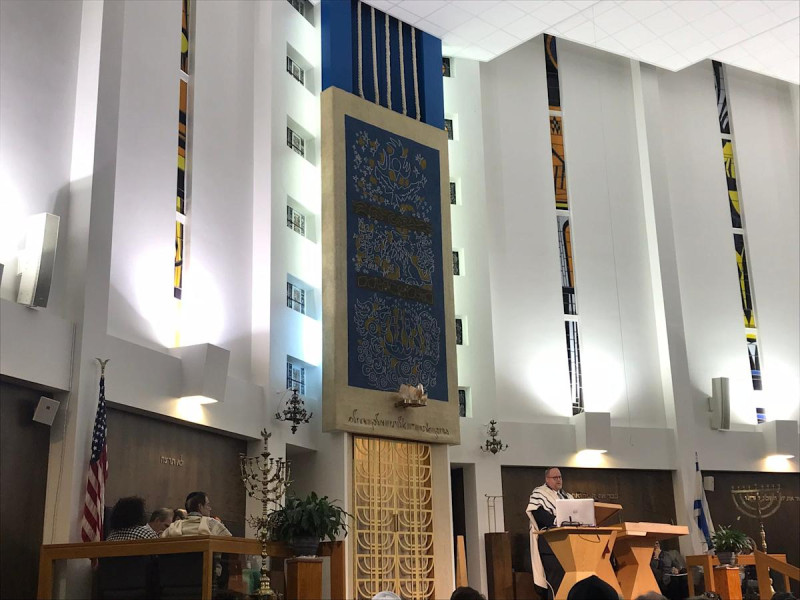
Terror struck a suburban Detroit synagogue on March 12, 2026. A man rammed his pickup truck into Temple Israel, a chilling act that left the local Jewish community shaken.
Hezbollah's Influence in a Michigan Suburb
The Federal Bureau of Investigation (FBI) confirmed that the Michigan synagogue attack was Hezbollah-inspired. The driver, 41-year-old Ayman Mohamad Ghazali, intentionally targeted the synagogue, which serves as the largest Jewish temple in the region.
Ghazali's motivations were clear: he acted on behalf of the Iran-backed militant group, Hezbollah. This wasn't a random act of violence; it was a calculated strike, driven by an ideology of hate and intimidation.
The attack sent shockwaves through West Bloomfield, a quiet suburban community where residents never imagined such a Hezbollah-inspired terror plot could unfold. Who was Ayman Mohamad Ghazali, and what drove him to this brutal act?
The Hezbollah Connection
Ghazali was not acting alone. According to Israeli military sources, his younger brother was a Hezbollah commander who was killed in an Israeli airstrike earlier in the month. This revelation sheds light on the Hezbollah link and the potential motive behind the synagogue attack.
But it’s not just about one family's grief. The Michigan synagogue attack has broader implications, highlighting the reach of Hezbollah’s influence and the broader network of terrorism that spans continents. Hezbollah, backed by Iran, has long been a thorn in the side of international security, and this incident shows that their tentacles extend far beyond the Middle East.
Hezbollah is known for its use of proxy fighters and its ability to inspire acts of violence globally. The Michigan synagogue attack underscores the group’s capacity to embed itself within communities, radicalizing individuals to carry out their violent agendas.
Aftermath and Community Response
The Michigan synagogue attack was not just a physical assault on a place of worship but a direct assault on the Jewish community of West Bloomfield. The attack was an act of terrorism, intended to instill fear and division.
In the aftermath, the community came together to support one another. Temple Israel, known for its vibrant congregation and strong ties to the community, received an outpouring of support from local residents and beyond. The solidarity shown by the wider community was a testament to the resilience of the people who call West Bloomfield home.
But the question remains: how did a man with such radicalized views manage to infiltrate a community that prides itself on its diversity and inclusivity? The investigation into Ghazali’s background and connections is ongoing, with federal officials working to dismantle any remaining networks that may have supported his actions.
As the dust settles, the community grapples with the reality of a Hezbollah-inspired terror attack on their doorstep. The impact of this event will be felt for years to come, raising questions about the vulnerabilities within our communities and the lengths to which extremist groups will go to spread fear and division. Can we truly say we are safe from such threats, or is this just the beginning of a new wave of global terrorism?