As we delve into the year 2025, understanding the evolving landscape of infectious diseases is crucial. This article explores the COVID symptoms 2025 and delves into the resurgence of norovirus and stomach bugs.
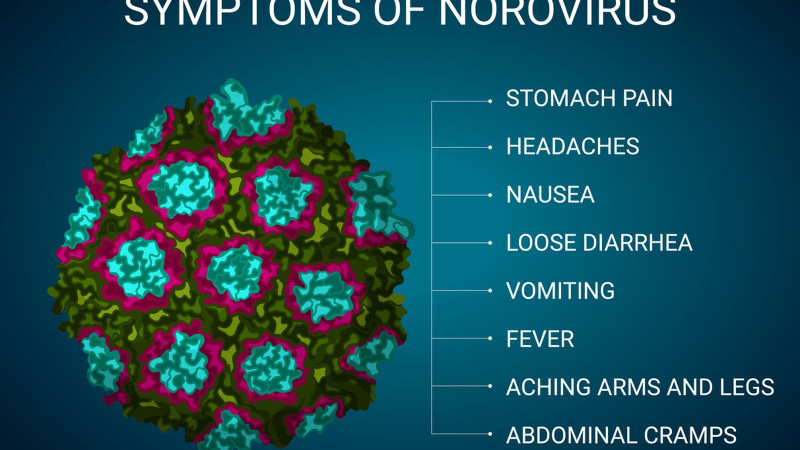
COVID symptoms 2025 have undergone significant changes since the onset of the pandemic. While the virus initially manifested with classic symptoms such as fever, cough, and shortness of breath, the landscape has shifted. Today, the most common symptoms include a sore throat, sinus congestion, runny nose, fatigue, headaches, and muscle aches. Notably, symptoms like fever and loss of taste or smell, which were once prominent, are now less frequent. The duration of symptoms has also changed: many individuals report lingering effects like brain fog, breathlessness, and fatigue long after the initial infection has passed. The emergence of new variants, such as COVID Nimbus, has introduced distinct symptoms. For instance, COVID Nimbus is characterized by a sharp, "stabbing sore throat" that sets it apart from previous variants. These evolving symptoms underscore the importance of staying vigilant and adapting to the changing nature of the virus. Beyond the acute symptoms, long COVID remains a significant concern. People who have had COVID-19 may experience prolonged weakness, shortness of breath, and extreme tiredness, often termed as post-viral symptoms. These long-term effects are more prevalent among the unvaccinated, highlighting the importance of vaccination in mitigating the long-term impacts of the virus. Norovirus, often referred to as the stomach flu, has also seen fluctuations in its prevalence and symptoms. In 2025, norovirus outbreaks are characterized by sudden onset of nausea, vomiting, and diarrhea. These symptoms typically last 1-3 days and are highly contagious, spreading rapidly through close contact or contaminated surfaces. The stomach bug, a general term for various gastrointestinal illnesses, encompasses a range of causes, including bacterial and viral infections. In 2025, stomach bugs are frequently caused by viruses like norovirus and rotavirus, as well as bacterial pathogens such as E. coli and Salmonella. Symptoms include abdominal cramps, vomiting, diarrhea, and fever. The severity and duration can vary, but most cases resolve within a few days with proper hydration and rest. The coexistence of these illnesses presents unique challenges. While COVID-19 primarily affects the respiratory system, norovirus and stomach bugs target the gastrointestinal tract. This dual threat can exacerbate symptoms and complicate diagnosis and treatment. Healthcare providers are advised to consider co-infections and implement comprehensive testing protocols to accurately diagnose and manage these conditions. In conclusion, 2025 brings a complex landscape of infectious diseases, with evolving COVID symptoms 2025 and the persistent threat of norovirus and stomach bugs. Staying informed about these changes and adhering to preventive measures, such as vaccination, hygiene practices, and timely medical consultation, is essential for navigating these health challenges effectively.