In a turn of events that has kept the nation's attention, President Donald Trump made a scheduled visit to Walter Reed National Military Medical Center on Friday, December 19, 2025. Trump, accompanied by a team of medical professionals, underwent a comprehensive health assessment, including lab tests and preventive health assessments. The visit has sparked both scrutiny and reassurance, with the President’s physician, Navy Capt. Sean Barbabella, affirming that he is in "exceptional health".
This recent visit to Walter Reed has reignited discussions about Trump's health, especially given his previous hospital visits and the surrounding controversies. Trump's physician has repeatedly emphasized the President's robust health, but the public is often left questioning the transparency and thoroughness of these medical evaluations. In a world increasingly reliant on precise medical information, it's not surprising that Trump's visits are scrutinized. President Trump has described his visits as routine "semiannual physical", but the specifics of what these exams entail are often left vague, adding to the public's curiosity and, in some cases, concern.
The timing of Trump's visit coincides with a broader context of health-related controversies, including the administration's proposed regulatory actions and comments that have drawn attention for their lack of medical grounding. The U.S. Department of Health and Human Services, for example, has unveiled a series of regulatory actions designed to curb certain medical practices, particularly those related to transgender care for children. The move has sparked widespread debate and criticism, with advocates arguing that such restrictions could have severe implications for the health and well-being of transgender youth. Additionally, Trump's comments linking autism to Tylenol use during pregnancy have been met with significant backlash from the medical community. Medical experts have described these remarks as "irresponsible" and a "sad display of a lack of scientific understanding".
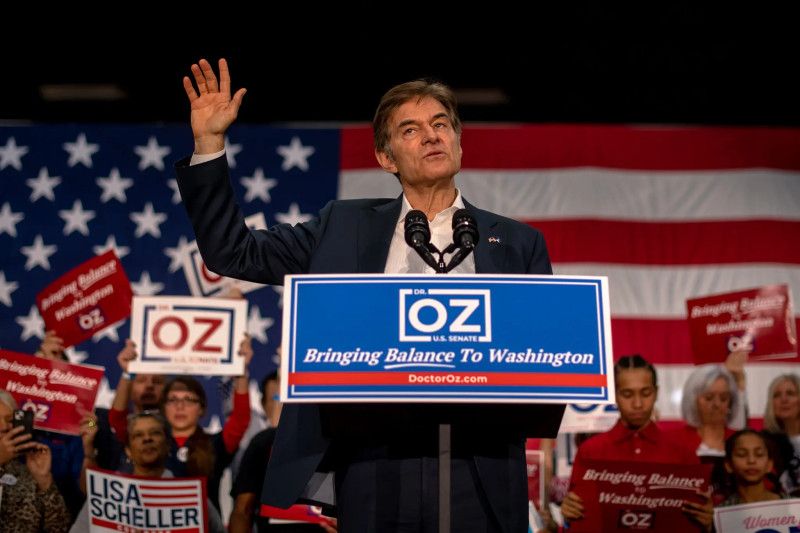
In the midst of these controversies, Dr. Mehmet Oz, who is often in the spotlight for his health-related initiatives, has been notably silent on the administration's proposed cuts to Medicaid funding. Dr. Oz, sworn in as a key figure in the administration, has promised to combat health care fraud and promote healthier lifestyles, but his stance on specific funding cuts remains unclear. The lack of clear direction from Dr. Oz on this issue has left many wondering about the administration's priorities and the potential impact on healthcare access for millions of Americans.
As President Trump continues to navigate these health-related challenges, the public remains vigilant, seeking transparency and clarity from the White House. The recent visit to Walter Reed, while described as routine, serves as a reminder of the delicate balance between public health and political discourse. The President's health, and the administration's policies, will undoubtedly continue to be a focal point, shaping the narrative around healthcare in the coming months.