As of 2025-12-19 04:09:41, the National Weather Service has released important information on tornado alerts, highlighting the critical importance of distinguishing between a tornado watch and a tornado warning. Understanding these differences can literally save lives, especially during severe weather conditions.
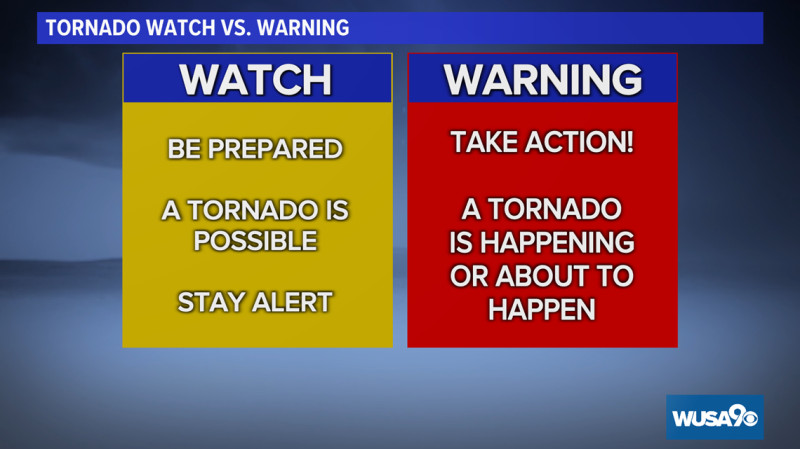
A tornado watch signifies that meteorologists have detected weather conditions favorable for tornadoes within a specific area over the next few hours. Unlike a warning, a watch does not indicate that a tornado has been sighted or detected by radar. Instead, it urges residents to be prepared. This encompasses reviewing emergency plans, checking supplies, and ensuring your safe room is accessible. As a safety measure, it is crucial to stay alert during a watch, as the situation can rapidly escalate to a tornado warning level.
A tornado warning, on the other hand, is issued when a tornado has been spotted or indicated by weather radar. This means immediate action is required. During a warning, residents should prioritize taking shelter immediately, as the tornado is either already on the ground or imminent. This type of alert typically covers a smaller, more specific area compared to a watch, focusing on the immediate threat. The National Weather Service emphasizes that during a warning, it is crucial to move to a safe location, such as a basement or an interior room on the lowest level of a sturdy building, away from windows.
The distinction between a tornado watch and a tornado warning is not merely semantic; it carries significant implications for safety measures. A watch signals the potential for tornadoes, prompting residents to prepare by reviewing safety plans, checking supplies, and staying informed about the weather. In contrast, a warning indicates an immediate threat, requiring prompt action to seek shelter and protect oneself from the tornado. Misinterpreting these alerts can lead to delayed responses, putting lives and property at risk.
In conclusion, understanding the difference between a tornado watch and a tornado warning is critical for staying safe during severe weather. Both alerts serve distinct purposes and require different actions. By being aware of these distinctions and following the National Weather Service’s guidelines, residents can better prepare and respond to potential tornado threats, ultimately enhancing their safety and well-being.