In the realm of severe weather, understanding the distinction between a tornado watch and a tornado warning is crucial for staying safe during potential storms. Both alerts are issued by the National Weather Service, but they carry different implications and require different actions from the public.
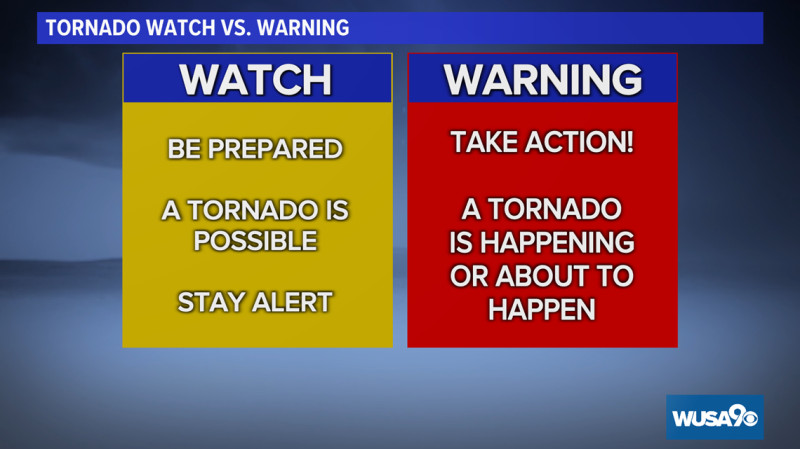
When a tornado watch is issued, it means that weather conditions are favorable for the development of tornadoes in and around the specified area. This is a signal to be prepared and vigilant. You should review your emergency plans, check your supplies, and be ready to act quickly if a warning is issued. A watch typically covers a large geographical area and can last for several hours, indicating that meteorologists have identified weather patterns that could potentially spawn tornadoes.
On the other hand, a tornado warning is a more urgent alert. It means that a tornado has been sighted or indicated by weather radar, and it is imminent or already occurring. This is the time to take immediate action. Seek shelter in a safe location, such as a basement or an interior room without windows, and stay there until the warning is lifted. A warning usually covers a smaller, more specific area and is issued when there is a confirmed threat.
It is essential to understand that a watch and a warning are not interchangeable. A watch is an advisory to be prepared, while a warning is a call to action. Knowing the difference can save lives. Stay informed by downloading a weather app on your phone to receive emergency alerts and notifications specific to your location.
In summary, being prepared for severe weather involves understanding the difference between a tornado watch and a tornado warning. A watch means conditions are favorable for tornadoes, while a warning means a tornado is imminent or occurring. By staying informed and acting promptly, you can ensure your safety and the safety of your loved ones during tornado season.