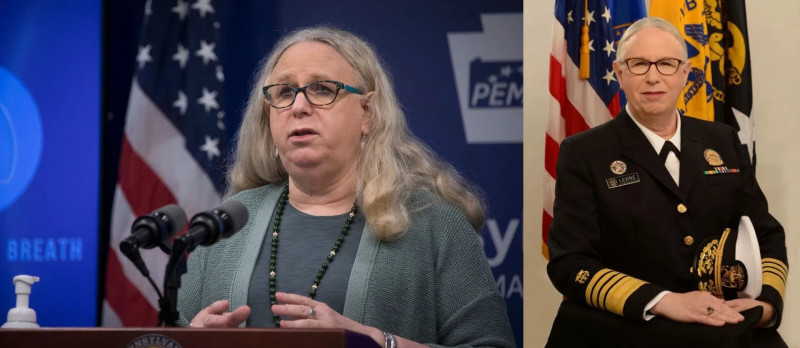
Admiral Rachel Levine, a pioneering figure in public health, has made significant strides in both her medical career and advocacy for transgender rights. As the highest-ranking openly transgender official in the U.S. government, Levine's journey is a testament to representation and inclusivity in leadership. This article delves into her groundbreaking appointment, her impact on public health, and the recent controversies surrounding her official portrait.
Levine's historical confirmation by the U.S. Senate in 2021 marked a momentous occasion. She became the first openly transgender individual to hold such a high-ranking position, breaking barriers and setting a precedent for future leaders. As the Assistant Secretary for Health and the highest-ranking openly transgender federal official, Levine's appointment symbolized a shift towards greater diversity and inclusion in governmental roles.
Admiral Levine's career is marked by her extensive experience in public health, pediatric medicine, and adolescent health. Her tenure under President Biden has been pivotal in addressing critical health issues, including the COVID-19 pandemic. As the Pennsylvania Secretary of Health, she led the state's response to the pandemic, implementing policies and strategies to combat the virus. However, her leadership was not without criticism, particularly concerning nursing home policies and data reporting.
Despite the challenges, Levine's contributions to public health are unmistakable. She has worked on various initiatives, including addressing eating disorders, opioid misuse, and the broader health impacts of the COVID-19 pandemic. Her leadership has been instrumental in promoting health equity and ensuring that public health policies reflect the diverse needs of the population.
In a curious turn of events, Levine's official portrait at the Department of Health and Human Services (HHS) was altered during the Trump administration. The portrait, which originally featured her under her chosen name, was changed to reflect her deadname, a practice that has sparked controversy and criticism. This act of erasure has been seen as a deliberate attempt to undermine her identity and legacy, highlighting the broader issues of transphobia and exclusion within governmental institutions.
The recent alterations to Levine's portrait have sparked a broader conversation about representation and respect for transgender identities. The act of deadnaming, or referring to a transgender individual by their birth name, is widely considered harmful and disrespectful. The controversy surrounding Levine's portrait underscores the ongoing struggle for recognition and respect within trans communities, emphasizing the need for inclusive policies and practices across all sectors.
Admiral Rachel Levine remains a beacon of hope and inspiration for the transgender community and public health advocates alike. Her historic appointment and ongoing work in public health serve as a reminder of the progress made and the challenges that still lie ahead. As the highest-ranking openly transgender federal official, Levine continues to advocate for health equity, inclusivity, and respect for all individuals, regardless of their gender identity.