In the ever-evolving landscape of health news, the vaccinations agenda has taken a dramatic turn. As of December 5, 2025, the spotlight is on the hepatitis B vaccine, with significant deliberations and debates within the U.S. government and among healthcare experts. The CDC's Advisory Committee on Immunization Practices (ACIP) has embarked on a critical two-day meeting to discuss and potentially vote on changes to the childhood vaccination schedule, with a particular focus on the hepatitis B shot .
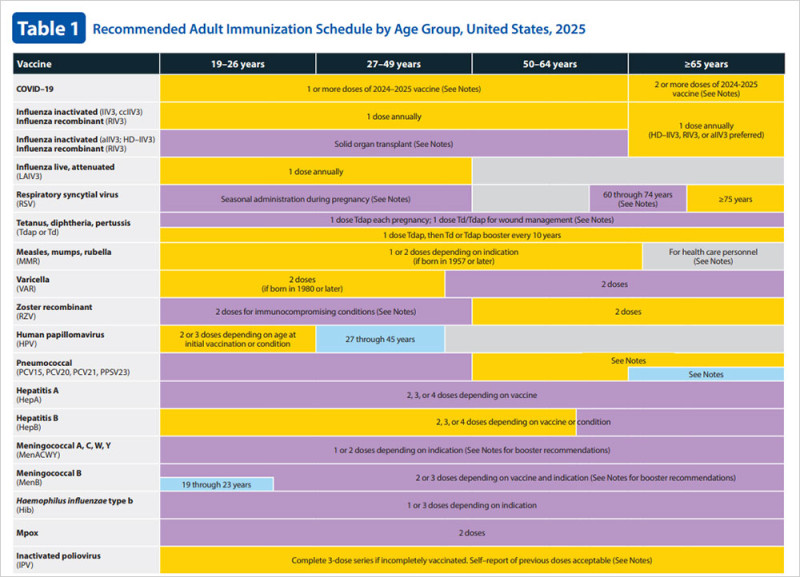
The hepatitis B vaccine, a cornerstone of preventive healthcare, has been at the center of heated discussions. The ACIP's deliberations come at a time when some doctors are recalling the grim days before the vaccine's introduction, when painful deaths from hepatitis B were not uncommon, especially among children . The ACIP meets three times a year to review new scientific evidence and vote on recommendations, making these sessions pivotal for the future of childhood immunizations .
Health and Human Services Secretary Robert F. Kennedy Jr. is playing a pivotal role in these discussions. His vaccine advisory panel has been tasked with evaluating the current schedule and possibly delaying the first hepatitis B vaccine dose for newborns. This move is not without controversy, as the vaccine has been credited for significantly driving down hepatitis B infections .
The ACIP's deliberations are complex, involving presentations, public comments, and planned votes that could reshape how infants and children receive their hepatitis B and other routine immunizations . The committee's vote, initially scheduled for December 4, 2025, has been postponed due to heated disagreements, highlighting the contentious nature of the discussions .
Doctors and public health officials are closely monitoring these developments, as any changes to the vaccination schedule could have far-reaching implications. The hepatitis B vaccine is the first shot found to prevent cancer, making it a pivotal component of modern preventive healthcare .
As the ACIP continues its discussions, the future of the hepatitis B vaccine and the broader landscape of childhood immunizations hang in the balance. Health experts and the public alike await the outcomes, hoping for a balanced approach that ensures both safety and effectiveness in protecting future generations from deadly diseases. The stakes are high, and the decisions made in these meetings will shape the future of public health for years to come.