The CDC vaccine safety information is a critical resource for understanding the rigorous processes and extensive research that ensure the safety and efficacy of vaccines. As of 2025, the Centers for Disease Control and Prevention (CDC) continues to play a pivotal role in monitoring and evaluating vaccine safety, providing valuable insights and data to the public and healthcare professionals alike.
The CDC's commitment to vaccine safety is multifaceted, encompassing various programs and initiatives. One of the key components is the Vaccine Adverse Event Reporting System (VAERS), a passive surveillance system that collects reports of adverse events following immunization. This system allows healthcare providers, vaccine manufacturers, and the public to report any adverse events, ensuring a comprehensive view of potential issues. However, the data from VAERS must be interpreted with caution, as it relies on voluntary reporting and may include unverified events.
In addition to VAERS, the CDC utilizes the Vaccine Safety Datalink (VSD), a collaborative project with multiple healthcare organizations. The VSD conducts active surveillance, analyzing electronic medical records and other data sources to detect safety signals in near real-time. This proactive approach enables timely identification of potential safety issues, facilitating rapid responses and interventions. The VSD has been instrumental in assessing the safety of new vaccines, such as those developed in response to emerging infectious diseases, and has contributed to the public's confidence in vaccine safety.
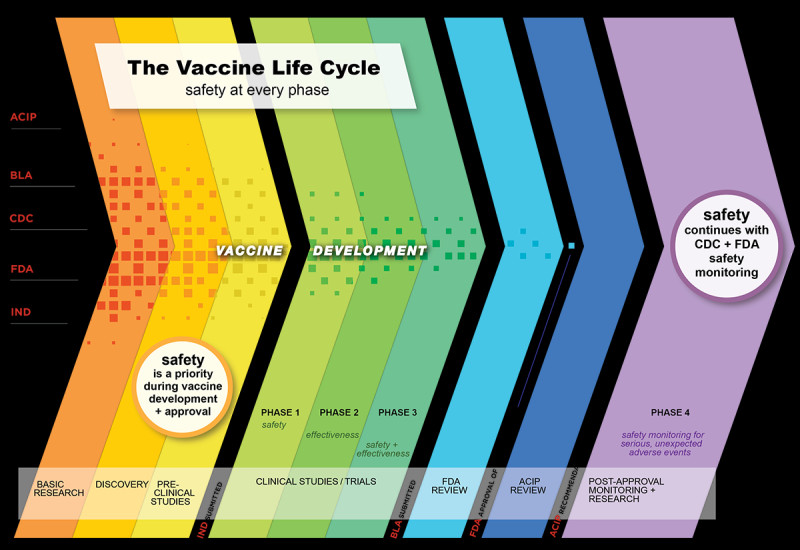
The CDC also collaborates with the Food and Drug Administration (FDA) and other federal agencies to conduct post-marketing studies. These studies provide valuable data on the long-term effects of vaccines, helping to ensure that they remain safe and effective over time. The CDC's Advisory Committee on Immunization Practices (ACIP) plays a crucial role in reviewing this data and making recommendations on vaccine use. The ACIP's recommendations are based on a thorough review of scientific evidence and are designed to maximize the benefits of vaccination while minimizing potential risks.
Despite the extensive efforts to ensure vaccine safety, misinformation and public skepticism remain significant challenges. The CDC addresses these issues through transparent communication and public education initiatives. The agency provides detailed information on vaccine safety and efficacy, addressing common concerns and debunking myths. Public health experts emphasize the importance of accurate and up-to-date information in fostering trust and encouraging vaccination.
In recent years, the CDC has also focused on addressing vaccine safety concerns related to specific conditions, such as autism and autoimmune disorders. Numerous studies have been conducted to investigate potential links between vaccines and these conditions, all of which have found no evidence of a causal relationship. The CDC continues to monitor these areas, ensuring that any new research is considered in its safety assessments.
In conclusion, the CDC's ongoing efforts to ensure vaccine safety are essential for maintaining public health and confidence in vaccination programs. Through rigorous surveillance, collaborative research, and transparent communication, the CDC continues to play a critical role in protecting the public from vaccine-preventable diseases. As new vaccines and health threats emerge, the CDC's commitment to safety will remain vital in safeguarding public health. For more information, visit the CDC's official vaccine safety website.
In the absence of specific details, the information provided here offers a comprehensive overview of the CDC's approach to vaccine safety. While the CDC's link could not be accessed, the general principles and practices outlined here are well-documented and widely accepted within the scientific community. For the most accurate and up-to-date information, it is recommended to refer to the CDC's official website or other credible sources.