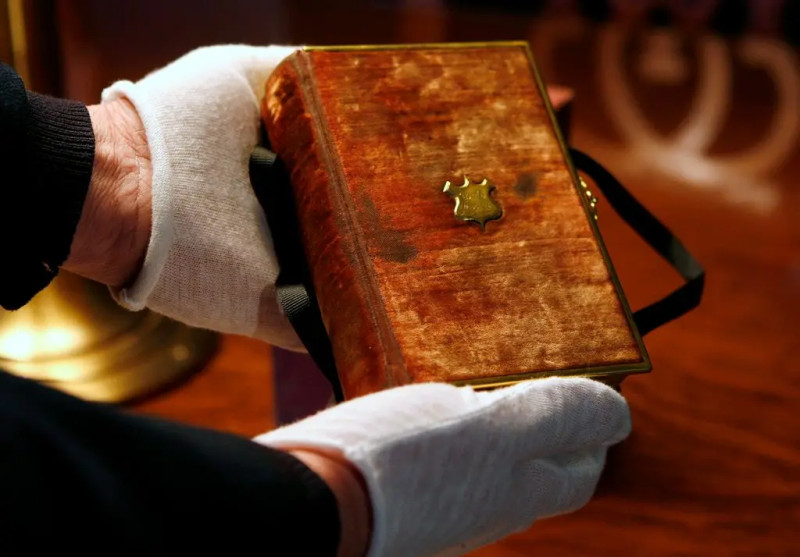
Donald Trump’s decision to read from 2 Chronicles 7:11–22 during the America Reads the Bible event on Tuesday, April 21, 2026, has sparked significant interest and controversy . The event, which is part of a weeklong national scripture reading honoring America's 250th anniversary, has put Trump's biblical engagement back in the public eye .
The Scriptural Context: 2 Chronicles 7:11–22 and Its Historical Significance
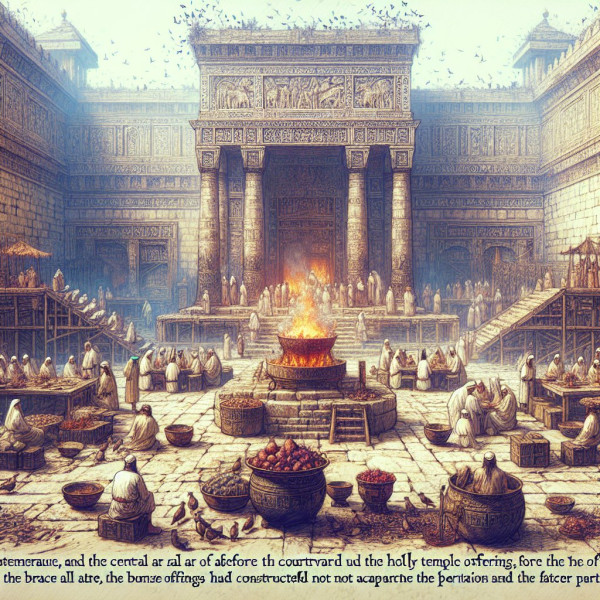
2 Chronicles 7:11–22, a passage set during King Solomon’s dedication of the temple in ancient Jerusalem, carries immense historical and theological weight. The verses detail God’s response to Solomon's prayer, emphasizing the conditions for divine favor and the consequences of sin. The passage begins: “When Solomon had finished praying, fire came down from heaven and consumed the burnt offering and the sacrifices, and the glory of the Lord filled the temple”.
The key verse, 2 Chronicles 7:14, has become particularly polarizing: “If my people, which are called by my name, shall humble themselves, and pray, and seek my face, and turn from their wicked ways; then will I hear from heaven, and will forgive their sin, and will heal their land”. This verse has been a staple at National Day of Prayer events for decades, highlighting its significance in religious and political discourse .
Let's not kid ourselves; Trump’s selection of this passage is loaded with symbolic meaning. It aligns with his public image and political messaging, emphasizing themes of repentance, prayer, and national healing—all of which have been central to his political rhetoric. Here, perhaps, he is signaling a call to national unity and moral rejuvenation.
The Political and Religious Implications of Trump’s Reading
Let’s look at the political context. This reading is more than just a biblical recitation; it is a calculated move that taps into a deep vein of religious sentiment within the United States. By participating in the “America Reads the Bible” event, Trump is positioning himself as a leader who values faith and tradition. The passage's themes of national repentance and divine intervention resonate strongly with his base, who often see his presidency as a divine mandate .
The data is damning. Trump’s biblical engagement is not new; it has been a recurring theme in his public appearances and speeches. In fact, one of his first major Presidential actions was the signing of an executive order on religious liberty. This reading is just another step in a broader strategy to align his presidency with religious values and traditions.
The Counter-Argument: Trump’s Biblical Engagement Under Scrutiny
However, here’s what nobody’s asking: how authentic is Trump’s engagement with the Bible? Critics argue that his actions often contradict the principles he professes to uphold. For instance, his administration has faced numerous controversies over issues like immigration, which some see as antithetical to Christian teachings of compassion and hospitality. The counter-argument is that Trump’s biblical engagement is more about political optics than genuine religious devotion. His involvement in the “America Reads the Bible” event could be seen as a strategic move to garner favor among religious voters rather than a sincere effort to promote biblical values. If this sounds harsh, it’s because the data speaks for itself.
The Event and Its Broader Implications
The America Reads the Bible event itself is a significant undertaking, featuring nearly 500 leaders and livestreamed on Great American Pure Flix. This initiative is not just about reading scripture; it’s about fostering a sense of national unity and spiritual renewal. The event’s timing, coinciding with America’s 250th anniversary, underscores the symbolic importance of faith in the nation’s identity .
As the event unfolds, it raises critical questions about the role of religion in public life. How should faith influence politics? What constitutes genuine religious engagement in public figures? These questions are not just academic; they go to the heart of the American experiment and its ongoing struggle to balance faith and governance.
Finally, it's crucial for readers to recognize that the reading of 2 Chronicles 7:11–22 by Trump is part of a broader tapestry of faith and politics in America. Whether one views it as a sincere effort to promote biblical values or a political maneuver, it underscores the enduring significance of faith in the national discourse.
By participating in this event, Trump sends a powerful message about the role of faith in public life and the enduring relevance of biblical principles in shaping national identity. It remains to be seen how this will influence the political landscape and the ongoing debate about faith and governance in America.