It is April 21, 2026, and the sky above our heads is about to put on a show that has captivated stargazers for over 2,600 years. The Lyrid meteor shower is set to peak tonight, and the anticipation is palpable as astronomers and enthusiasts alike prepare to witness nature's fireworks. Tonight, the night sky will light up with shooting stars, courtesy of Earth's passage through the dusty trail of Comet Thatcher. Come midnight, we'll be there, looking up, and waiting for the celestial spectacle to unfold.
Glimpsing the Lyrids: Where and When to Watch the Sky's Fireworks
The Lyrid meteor shower is already active, having started on April 14th, and will continue until April 30th. The peak viewing time, however, is set for tonight, April 21-22, when the skies will be most alive with shooting stars. The best time to catch the Lyrids in action is after midnight, when the radiant point in the constellation Lyra will be high in the sky. Sky-watchers in the Northern Hemisphere will have the best views, but even those in the Southern Hemisphere might catch a glimpse of the shower. "The Lyrid meteor shower is one of the oldest known meteor showers, and it's always a thrill to see the night sky light up," said Dr. Jane Harper, an astrophysicist from the American Meteor Society.
The Lyrids' Celestial Dance: A Closer Look at the Comet and the Shooting Stars
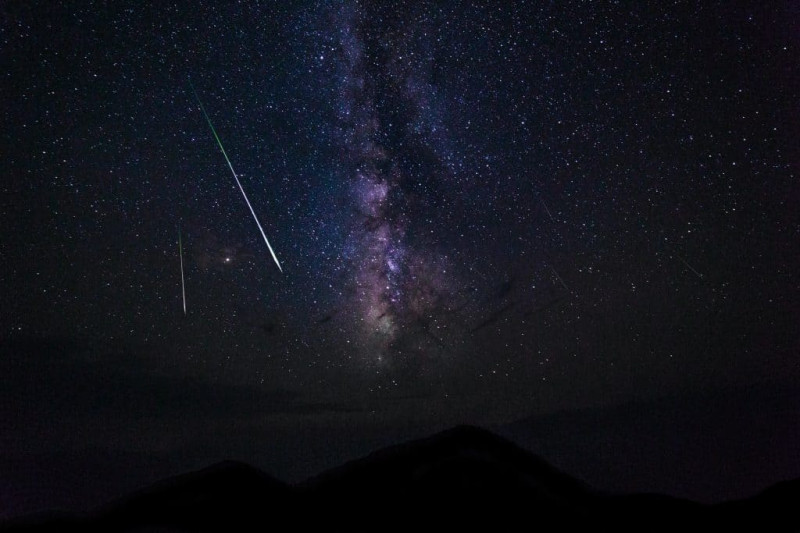
The Lyrids are the remnants of Comet Thatcher, a periodic comet that orbits the Sun every 415 years. As Earth passes through the dusty debris left behind by the comet, the particles burn up in our atmosphere, creating the stunning display of shooting stars we know as the Lyrid meteor shower. The meteors appear to radiate from the constellation Lyra, but they can be seen streaking across the entire night sky.
The radiant point of the Lyrids is near the bright star Vega, making it a good reference point for stargazers looking to spot the meteor shower. The Lyrids are known for their occasional fireballs, which are exceptionally bright meteors that can leave glowing trails in the sky.
Tips for Watching the Lyrid Meteor Shower
To make the most of the Lyrid meteor shower, find a dark spot away from city lights and allow your eyes to adjust to the darkness. Lie back on a blanket or lawn chair and look up at the sky. Be patient, as it can take some time for the meteors to start appearing. "The key to enjoying a meteor shower is to give it time. Allow your eyes to adapt to the dark and relax your gaze. Don't look directly at the radiant point, but rather just above it, and you'll start to see the meteors streaking across the sky," advises Dr. Harper.
Those interested in photographing the Lyrid meteor shower should use a tripod and a long exposure setting on their camera for the best results. Remember, the moon will set before the peak viewing hours, so there will be no moonlight interfering with the show.
Now, the question remains, will the Lyrid meteor shower of 2026 deliver a spectacular show, or will we be left in the dark? As the night unfolds and the shooting stars begin to streak across the sky, we can only hope that the Lyrid meteor shower lives up to its 2,600-year-old legacy.