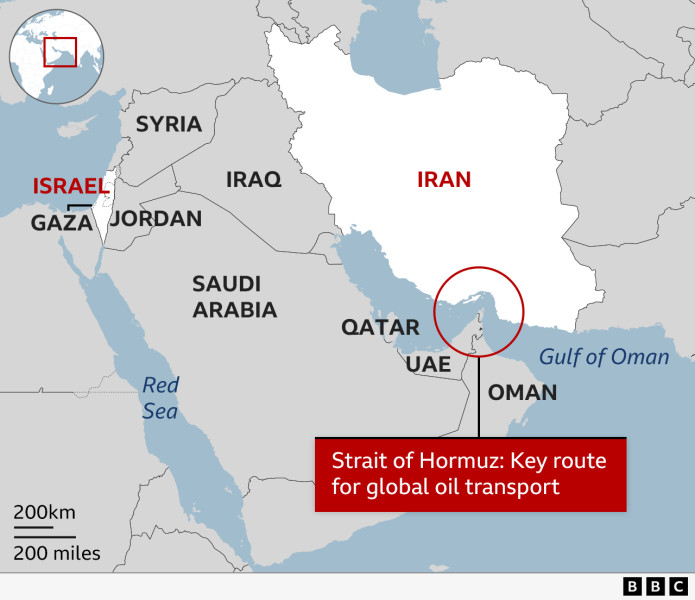
The Strait of Hormuz, the narrow waterway connecting the Persian Gulf to the Gulf of Oman, has reopened for commercial traffic, with Iran and the U.S. both claiming victory in a tense standoff that has gripped the world's attention. Here’s the latest on this critical oil and trade route.
New Developments in the Strait of Hormuz Standoff
On April 17, 2026, the Strait of Hormuz was declared fully open, a major development in the ongoing U.S.-Iran conflict. Following a 10-day ceasefire, the vital waterway, which is often described as the world's most important oil chokepoint, has resumed commercial traffic. Both President Donald Trump and Iranian officials have welcomed the reopening, signaling a potential thaw in the escalating tensions.
The reopening of the Strait of Hormuz comes as a relief to global trade and energy markets, which have been on edge due to the potential disruption of oil supplies. The Strait, which accounts for about 20% of global oil trade, has been at the center of geopolitical tensions for years, with both the U.S. and Iran using it as a strategic lever.
So, what led to this historic reopening? Look, it's complicated. The U.S.-Iran conflict has been a rollercoaster of ceasefires and escalations, with each side accusing the other of breaching agreements. The ceasefire in Lebanon, which included a commitment to reopen the Strait, has been hailed as a significant step towards de-escalation.
"The Strait of Hormuz is now fully open to commercial vessels," said President Donald Trump, echoing sentiments from Iran's foreign minister.
The Geopolitical Chess Match: U.S. and Iran’s Maneuvers
And then—get this—the U.S. has imposed a military blockade on Iranian ports and a partial blockade on the Strait of Hormuz, a move that has left the global shipping industry in disarray. The blockade, which began on April 17, 2026, has restricted the passage of oil, fertilizer, and other vital goods, causing a ripple effect on global trade.
The blockade has also raised questions about the true intentions of both the U.S. and Iran. The U.S. claims that the blockade is a necessary measure to prevent Iran from using the Strait as a strategic advantage, while Iran argues that the blockade is an attempt to strangle its economy. As the U.S. and Iran share mixed messages on the status of the Strait, it's becoming clear that this is a high-stakes game of chess.
The Impact on Global Trade and Energy Markets
Amidst all this, the impact on global trade and energy markets can't be overstated. Many of the world's critical goods, including oil and fertilizer, flow through the Strait, making it a vital artery for global commerce. The blockades and ceasefires have kept markets on edge, with oil prices fluctuating wildly. But here’s the thing: the reopening of the Strait has brought a sense of relief, at least for now. Oil prices dropped soon after the announcement, signaling the resumption of normal trade.
But let’s not forget the human angle. The Strait of Hormuz isn't just a strategic waterway; it's also a lifeline for millions who depend on its trade. The blockade has stranded numerous vessels, causing significant disruptions for sailors and shipping companies. The real-time monitoring dashboard for the Strait of Hormuz crisis highlights the sheer scale of the impact, with over 100 aircraft and a dozen warships enforcing the cordon.
If you're a regular viewer of The Steve Harvey Morning Show, you might have heard Steve talk about the importance of the Strait of Hormuz in global trade. It’s a fascinating insight into how geopolitical tensions can affect everyday lives. The Strait of Hormuz has a long history of being a flashpoint for global conflicts, and today, it remains just as crucial. Here's a staggering number: over 20 million barrels of oil pass through the Strait every day. Imagine the economic and political implications if that flow were to stop. It's a sobering thought, especially as tensions between the U.S. and Iran continue to simmer.