US Warships Break Ice in Strait of Hormuz: A Strategic Move Amidst Iran Tensions
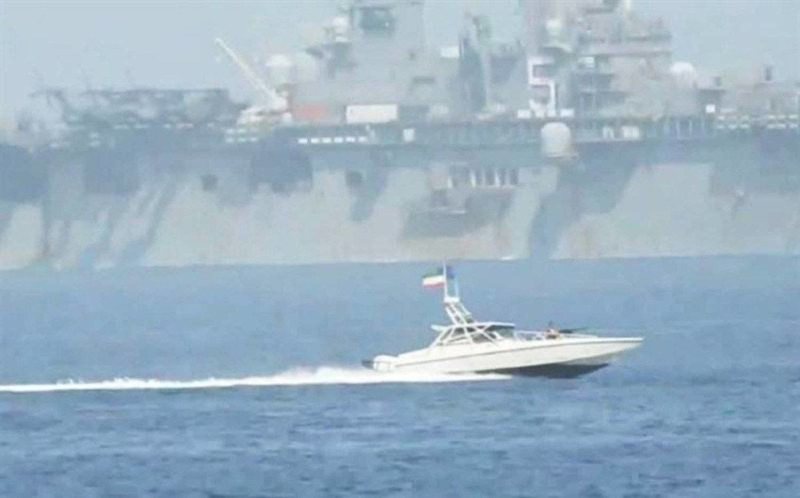
US warships have made a bold move by crossing the Strait of Hormuz for the first time since the start of the war with Iran. The transit, which occurred on Saturday, is a significant milestone given the ongoing conflict and the strategic importance of this key global waterway.
A Message of Strength and Stability
The crossing of US warships through the Strait of Hormuz sends a clear message to Iran and the rest of the world: the United States is not backing down. This move, which was not coordinated with Iran, underscores the U.S.'s commitment to maintaining freedom of navigation in this crucial maritime route.
The Strait of Hormuz is a vital artery for global oil trade, with approximately 20% of the world's oil passing through it. The transit of U.S. warships aims to reassure commercial vessels that they can safely navigate the strait amid the ongoing conflict. This is a significant step towards stabilizing the region and ensuring that oil supplies remain uninterrupted, given the potential economic repercussions of a disrupted flow.
Iran’s Denial and Counter-Strikes
Iranian officials have denied that any U.S. vessels crossed the Strait of Hormuz, calling it a fabrication by U.S. media outlets. This denial reflects the heightened tensions between the two nations and the ongoing propaganda war. Iran has also issued threats against U.S. forces, adding another layer of complexity to the situation.
Despite these threats, the U.S. remains steadfast in its mission. U.S. officials have stated that the transit was part of a broader mission to ensure freedom of navigation. This mission is crucial for maintaining global trade routes and preventing economic disruptions that could ripple across the world.
The Role of the Ceasefire
The transit comes [on the heels of] a two-week temporary ceasefire reached between the United States and Iran. This ceasefire, which includes the reopening of the strait, provides a fragile window of opportunity for diplomacy and de-escalation. However, the ceasefire's future remains uncertain, and the recent transit could either bolster or strain the fragile peace.
The strategic importance of the Strait of Hormuz cannot be overstated. The ongoing conflict in the region has already caused significant disruptions, and the transit of US warships serves as a reminder of the broader geopolitical stakes at play. The data is damning, showing that global oil markets have reacted sharply to the rising tensions in the region.
Counter-Argument: Is This Enough?
Critics might argue that the transit of US warships through the Strait of Hormuz is a symbol of strength but not a solution to the underlying issues. They point out that military presence alone cannot resolve the complex political and economic conflicts. The counter-argument is valid, but it misses the bigger picture. The transit is a necessary step to buy time for diplomatic efforts.
Let's not kid ourselves: the transit of US warships through the Strait of Hormuz is a calculated move. Iran's denial and threats only underscore the significance of the U.S. presence in the region. The future of the Middle East hangs in the balance, and this move is a crucial step towards stabilizing the area and ensuring global trade routes remain open.