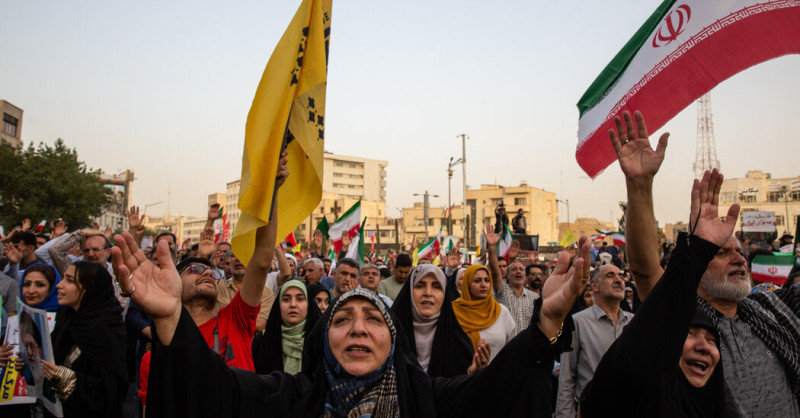
The clock is ticking for a deal that could halt hostilities in Iran. The United States and Iran are both weighing a draft proposal for a 45-day ceasefire, one that could reopen the Strait of Hormuz. With a Trump deadline looming, the stakes are high. The question: Will Iran agree to a temporary ceasefire or insist on a complete end to the war?
Iran’s Counterproposal: A 10-Point Plan
Iran has made it clear that it will only accept a deal that guarantees the end of the war with no further attacks. On April 7th, 2026, Iran issued a 10-point counterproposal to the U.S. ceasefire plan. The proposal includes demands for reparations, sovereignty over the Strait of Hormuz, and an end to all conflicts in the region. This response was in reaction to the U.S. proposal of a 15-point plan.
According to a source, the Iranian response also emphasizes ending the conflict in the region and establishing a protocol for safe passage through the Strait of Hormuz. The Iranian government's latest demands include sanctions relief and reconstruction efforts. The proposed ceasefire by the mediators would have been the first step towards a lasting peace, yet Iran dismissed it.
Trump's Ultimatum: "Hell" on the Horizon
Donald Trump has given Iran a clear ultimatum: accept a deal by 8pm ET on Tuesday or face "massive strikes" on Iranian civilian infrastructure. Trump's warning has added a sense of urgency to the negotiations. Iran, however, has pointedly rejected the idea of a temporary ceasefire, arguing that it would not resolve the underlying issues.
Hours before Trump's ultimatum, Iran had rejected a Pakistan-backed ceasefire proposal. Meanwhile, Israel launched airstrikes on Tehran. The United States, too, has escalated its presence in the region, deploying more paratroopers and Marines. These actions have raised the specter of further conflict rather than peace.
The Two-Tiered Proposal: Ceasefire and Peace
The proposal Iran and the U.S. have received is a two-tiered plan. It includes both an immediate ceasefire and a more permanent framework for peace. This plan aims to reopen the Strait of Hormuz, a critical waterway for global oil supplies. Iran, however, has been steadfast in its rejection of a temporary ceasefire, pushing instead for a comprehensive settlement that addresses all its demands.
The U.S. and Iran are now studying the ceasefire plan, even as Trump's deadline approaches. The U.S. has been pushing for an immediate end to hostilities, but Iran's insistence on a more permanent resolution has complicated the negotiations. The plan, if accepted, could come into effect on Monday, April 7th, 2026.
A lasting end to the war remains the goal for Iran, which has rejected pressure to swiftly reopen the Strait of Hormuz under a temporary ceasefire. Iran's rejection of the U.S. ceasefire proposal raises the question: How long can the region hold out against escalating tensions?
With Iran's demands for reparations, sovereignty, and an end to conflicts, the path to peace seems fraught with obstacles. As the deadline approaches, will Iran and the U.S. find common ground, or will the region descend into further chaos? Trump's deadline is Tuesday, April 7, 2026, at 8pm ET, and the outcome hangs in the balance.