The Springs Fire, which erupted near Moreno Valley on Friday, April 4, has quickly escalated into a significant wildfire crisis, with over 4,100 acres burned and mandatory evacuations in place. This blaze, fueled by strong winds and dry conditions, has become a major concern for residents and authorities in Riverside County, California.
Rapid Spread and Evacuation Orders
The Springs Fire, ignited east of Moreno Valley along Gilman Springs Road, has been a relentless force. Initially ignited on Friday, the fire swiftly grew to over 4,100 acres by the end of the day. The volatile conditions, including winds reaching up to 50 mph, have made containment efforts challenging, with the fire currently at 45% containment. Evacuation orders are in effect across eight zones in the Moreno Valley and Gilman Springs Road area in Riverside County, with additional evacuation warnings issued for six more zones.
Effective communication and timely evacuation orders have been crucial in managing the crisis. As of Saturday, some evacuation orders were eased, but the situation remains dynamic. The rapid spread of the fire has led to road closures and the activation of emergency response protocols, highlighting the urgency of the situation.
The Role of CAL FIRE and Incident Management
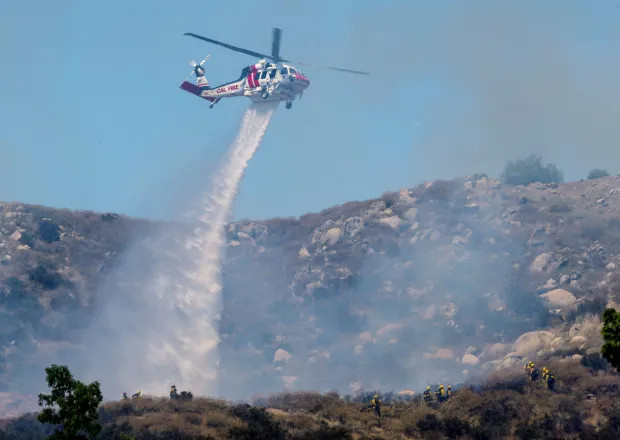
The CAL FIRE Riverside Unit has been at the forefront of the response to the Springs Fire. The incident management team, although not yet formally assigned, is reportedly working diligently to control the blaze. Firefighters, aided by ground and air crews, are battling what are described as "light flashy fuels," which are highly combustible and difficult to manage. The rapidly changing conditions, combined with the vast area affected, demand a coordinated and sustained effort from all response teams.
Chief of CAL FIRE Riverside Unit, has emphasized the importance of community vigilance and preparedness: "“While we are making progress, the danger is far from over. Residents must remain alert and follow all evacuation orders to ensure their safety.”".
The Impact on Local Communities and Infrastructure
The impact of the Springs Fire extends beyond the immediate fire zone. Thousands of residents have been affected, with mandatory evacuations causing significant disruption. The closure of roads, including major thoroughfares like Gilman Springs Road, has led to traffic congestion and limited access to essential services. The fire's proximity to Lake Perris and other sensitive areas adds to the complexity of the response.
The data is damning: the combination of high winds and dry conditions has created a perfect storm for this wildfire. Let’s not kid ourselves—climate change is exacerbating these conditions, making wildfires more frequent and more intense. This is the new normal, and we need to adapt our strategies to combat it.
However, a counter-argument suggests that while climate change plays a significant role, the lack of proactive forest management and controlled burns may also contribute to the intensity and spread of wildfires. Balancing immediate response efforts with long-term forest management strategies could potentially mitigate future disasters.
Here’s what nobody’s asking: what are the long-term plans for preventing such incidents, and how are we preparing our communities for the inevitable next fire? The Springs Fire serves as a stark reminder of the urgency to address these issues.
As the evening of April 4, 2026, approaches, the Springs Fire continues to be a major concern for residents of Moreno Valley and surrounding areas. The CAL FIRE Riverside Unit remains on high alert, with teams working tirelessly to contain the blaze and ensure the safety of the community.