The world braces for the anticipated impact of a super El Niño event, which scientists predict could occur by the end of 2026. This El Niño cycle, a climatic phenomenon marked by warm ocean temperatures in the Pacific, has the potential to reshape global weather patterns and drive extreme weather events. El Niño events typically occur every 3-7 years, with super El Niño events, like the one predicted for 2026, occurring roughly once every 10-15 years. The intensity of a super El Niño cycle promises to be profound and potentially catastrophic.
The Mechanics of a Super El Niño
An El Niño occurs when the equatorial Pacific Ocean warms significantly, altering atmospheric pressure and wind patterns. This phenomenon is part of the broader El Niño Southern Oscillation (ENSO) cycle, which includes both El Niño and its cooler counterpart, La Niña. In an El Niño event, the warm waters of the western Pacific shift eastward, disrupting normal weather patterns and influencing atmospheric conditions worldwide.
A super El Niño event, characterized by exceptionally high temperatures in the Pacific, is expected to be more intense and long-lasting than a typical El Niño. The rapid collapse of a prevailing La Niña, as seen in 2026, is often a precursor to a super El Niño event, with climate models indicating a strong potential for this shift to occur by the end of the year.
Kevin Grise, an associate professor of environmental science at the University of Virginia, underscores that while El Niño events can bring droughts to some regions and increased rainfall to others, the super El Niño of 2026 could exacerbate these effects, leading to more severe and unpredictable weather events.
The Global Impact of the 2026 Super El Niño
The implications of a super El Niño event on global temperatures and weather patterns are vast. Forecasters predict that the 2026 event could drive extreme weather, including heat records and global climate shifts.
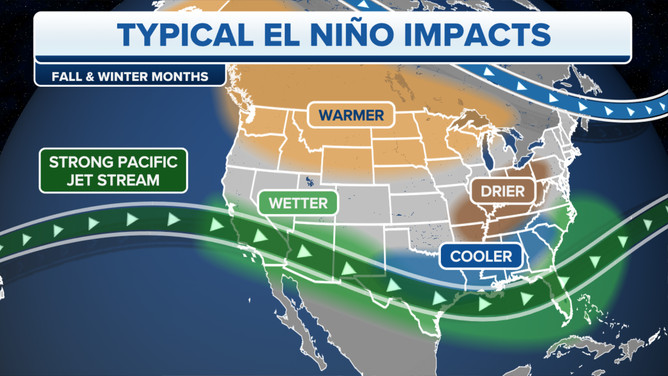
According to the latest forecasts, the 2026 super El Niño could push global temperatures to unprecedented heights, potentially making 2026 the hottest year on record. The super El Niño is expected to significantly impact regional weather patterns, with areas like the Pacific Northwest and Southeast Asia likely to experience heavier rainfall and potential flooding. Conversely, regions already prone to drought, such as Australia and parts of Africa, could face even more severe water shortages.
For the United States, the 2026 super El Niño is anticipated to influence both summer temperatures and the hurricane season. The warmer Pacific waters could disrupt normal weather patterns, leading to higher temperatures and an increased likelihood of extreme weather events, including hurricanes.
Preparing for the Unknown
As the world prepares for the potential impacts of the 2026 super El Niño, the question arises: are we ready? While scientists and weather forecasters continue to monitor the evolving situation, the severity and unpredictability of a super El Niño event pose significant challenges.
Kevin Grise, Associate Professor of Environmental Science, University of Virginia: "The unpredictability of a super El Niño event is a major concern. While we can anticipate some general effects, the specific impacts will vary widely depending on local conditions and the intensity of the event. It's crucial for governments and communities to be prepared for a range of potential outcomes."
Think again. The super El Niño event of 2026 could be more than just a weather anomaly; it could be a harbinger of things to come in a world increasingly shaped by climate change. The world watches and waits, wondering if 2026 will be the year that reshapes our understanding of global weather patterns forever. Gone.
As the Pacific Ocean heats up, so does the anticipation of what this super El Niño event will bring. With climate models consistently indicating a strong potential for a super El Niño in 2026, the world must brace for a year of unprecedented weather challenges, with the super El Niño event serving as a stark reminder of the interconnectedness of our planet's climate systems.