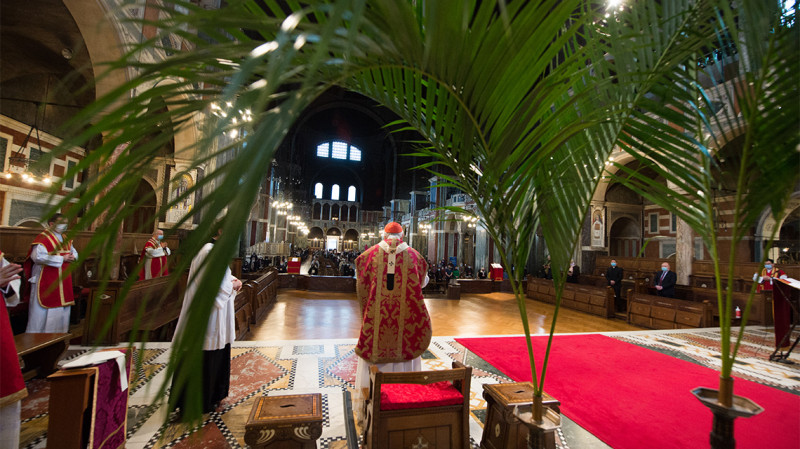
Palm Sunday marks the beginning of Holy Week for Christians. Traditionally, it is celebrated on the Sunday before Easter. Palm Sunday, held this year on March 29, 2026, is a day filled with significance and solemnity, particularly in Jerusalem, where celebrations are both historic and deeply rooted in Christian tradition. However, this year, the Church of the Holy Sepulchre, a sacred site for Christians, is making headlines for an unprecedented event. Let's explore the significance of Palm Sunday and delve into the recent events that have cast a shadow over this important day in Jerusalem
Understanding the Significance of Palm Sunday
Palm Sunday commemorates Jesus Christ's triumphant entry into Jerusalem, an event that is recounted in the Gospels of Matthew, Mark, Luke, and John. This day is observed with processions, blessings of palms, and solemn religious services, symbolizing the joyous welcome Christ received from the people of Jerusalem and marking his final journey towards his crucifixion. Traditionally, the day involves the blessing of palm fronds, which are then carried in processions to recall the palms laid on the road by the crowd as Jesus rode into the city on a donkey.
The ritual of blessing the palms and leading processions through the streets of Jerusalem is a powerful reminder of Jesus's humble entry into the city and the joy he brought to the people. The processions often culminate at the Church of the Holy Sepulchre, one of the holiest sites in Christianity, believed to be the location of Jesus's crucifixion, burial, and resurrection.
Palm Sunday in Jerusalem: The Church of the Holy Sepulchre
The Church of the Holy Sepulchre stands as a pivotal location for Christians around the world, particularly during Palm Sunday. The church is divided among six different Christian denominations, each with its own set of rituals and traditions. The intricate balance of power and rituals within the church is governed by the Status Quo, a set of historical agreements that dictate the rights and responsibilities of each denomination.
However, this year, the Church of the Holy Sepulchre faced unprecedented disruption. Israeli police prevented Cardinal Pierbattista Pizzaballa, the head of the Catholic Church in the Holy Land, from entering the church to celebrate Palm Sunday Mass. This incident marks the first time in centuries that the heads of the church were unable to perform the traditional Palm Sunday Mass at the sacred site. The Latin Patriarchate of Jerusalem and the Custody of the Holy Land issued a joint statement condemning the Israeli police action, calling it a "grave precedent" that sets a dangerous precedent for future religious observances.
This unprecedented event has sparked widespread condemnation from both religious and political leaders. European leaders and the Catholic Church have expressed their dismay, emphasizing the importance of maintaining the sanctity of the Holy Land and the integrity of religious observances. Despite the crisis, the Franciscan friars have continued their duties, ensuring that daily processions and liturgical prayers are carried out as scheduled.
The Impact on Christian Communities
The disruptions at the Church of the Holy Sepulchre have reverberated throughout the Christian community, raising concerns about the future of religious freedom and the preservation of sacred traditions. For many Christians, the ability to celebrate Palm Sunday at the Church of the Holy Sepulchre is a profound and deeply meaningful experience, connecting them to the roots of their faith and the historical events that shaped Christianity.
The cancellation of the Palm Sunday procession and the denial of entry to the church's leaders has left a deep sense of loss and disillusionment among the faithful. The traditional procession from the Mount of Olives to the Church of the Holy Sepulchre is a cherished ritual, symbolizing the journey of Jesus into Jerusalem. This year, the procession was halted, leaving the sacred site locked and the streets eerily quiet.
The Church of the Holy Sepulchre is the very heart of our faith, and to be barred from it on such a sacred day is a profound and painful blow. It reminds us of the ongoing struggles and challenges faced by Christians in the Holy Land.
Despite the turmoil, the resilience of the Christian community in Jerusalem remains steadfast. The continued prayers and rituals within the Holy Places underscore the enduring spirit of faith and the unyielding commitment to preserving the sacred traditions of Palm Sunday in Jerusalem.
As we reflect on the significance of Palm Sunday and the recent events in Jerusalem, it is clear that the Church of the Holy Sepulchre stands as a symbol of both hope and struggle. The challenges faced this year serve as a reminder of the importance of preserving religious freedom and the sanctity of sacred sites for future generations. As the Christian community navigates these uncertain times, their unwavering faith and dedication to their traditions remain a beacon of hope and resilience. This year's Palm Sunday has marked a significant chapter in the history of the Holy Land, highlighting the enduring spirit of the Christian community in the face of adversity.
... And so it goes. The Church of the Holy Sepulchre stands as a testament to the trials and triumphs of Christianity. It is a reminder of the events of Palm Sunday and the ongoing struggles that Christians face in the Holy Land.